Attraction in Albania
Gjirokaster Castle
UNESCO World Heritage
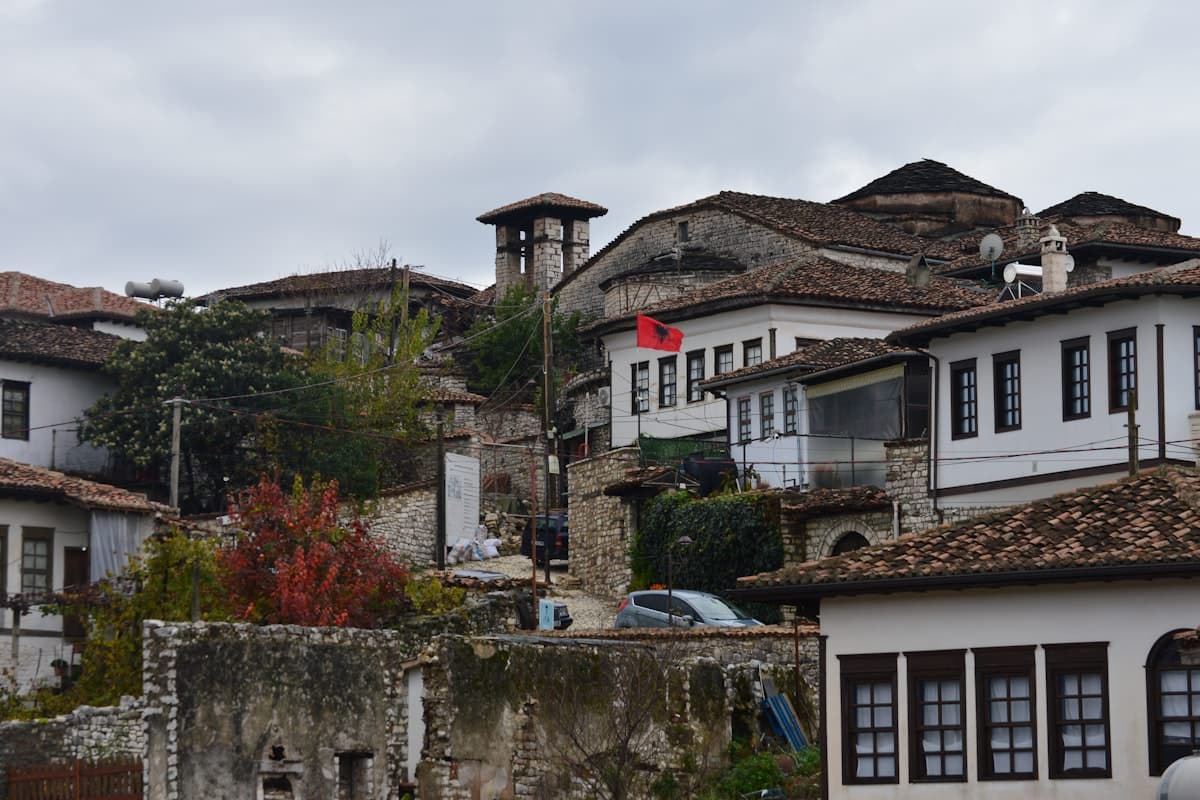
Commanding the hillside above the stone city, Gjirokaster Castle is one of the largest medieval fortresses in the Balkans, with origins dating to the twelfth century and expansions through the Ottoman period. The castle's interior holds a weapons museum featuring a captured US Air Force jet from the Cold War era, as well as cannons, armour, and exhibits tracing Albania's turbulent military history. The ramparts offer sweeping views over the Drino Valley.
Wise
Your bank marks up every USD you spend in Albania. Wise doesn't.
- No foreign transaction fees
- Free ATM withdrawals up to your limit
- Pay in local currency at the real rate
4.8 ★ App Store·4.8 ★ Google Play
Airalo eSIM
Your phone plan was built for home. This one was built for Albania.
- No SIM swapping
- No data roaming charges
- Active in minutes
4.7 ★ App Store·4.6 ★ Google Play
Travel Guide
Frequently Asked Questions About Visiting Albania
Entry requirements vary by passport; check your specific requirements on the Albania destination page at Yoogo.
Albania uses the Albanian Lek (ALL). The country remains largely cash-based, particularly outside Tirana and major cities, so it is wise to carry sufficient local currency. ATMs are available at Tirana International Airport and in all major cities, and currency exchange booths are widespread.
Albania is generally safe for tourists, with petty theft being the most common concern in crowded areas. Driving standards can be erratic, so extra caution is advised on the roads. Normal precautions apply: keep valuables secure, stay aware of your surroundings, and check your government's current travel advisory before departure.
The main options are intercity buses, furgons (shared minibuses), taxis, and rental cars. Buses serve major routes such as Tirana to Saranda and are affordable; furgons are smaller and depart when full rather than on fixed schedules. Car hire gives the most flexibility, especially for reaching rural areas such as Theth or the Albanian Riviera.
Spring (April to June) and early autumn (September to October) offer the most pleasant conditions, with warm temperatures and fewer crowds. July and August are peak beach season along the Riviera but can be very hot and busy. Winter is mild on the coast but cold and snowy in the mountainous north.
Albanian (Shqip) is the official language and spoken by virtually all residents. English is increasingly understood in Tirana, tourist resorts, and among younger Albanians. Italian is also widely spoken in the coastal west, reflecting strong historical and cultural ties with Italy.
No vaccinations are mandatory for entry, but it is advisable to be up to date with routine immunisations including tetanus and hepatitis A. Tap water is not considered safe to drink; stick to bottled water. Consult your GP or a travel health clinic at least six weeks before departure for personalised advice.
Tipping is not compulsory but is appreciated. In restaurants and cafes, rounding up the bill or leaving 5 to 10 per cent for good service is customary. For taxis, rounding up to the nearest hundred Lek is standard. Tipping is less common in rural areas and smaller establishments.
Mobile coverage is good in cities and along major highways. The main operators are Vodafone Albania and One Albania, both offering prepaid SIM cards that can be purchased cheaply at the airport or in any city centre. Coverage can be patchy in remote mountain areas. EU roaming rules do not apply, so check your provider's international rates before travel.