←All destinations
Travel Guide
Visiting Anguilla
Select your passport to instantly check if you need a visa.
Discover
Top Attractions in Anguilla
The most iconic and unmissable experiences this country has to offer.
Shoal Bay East
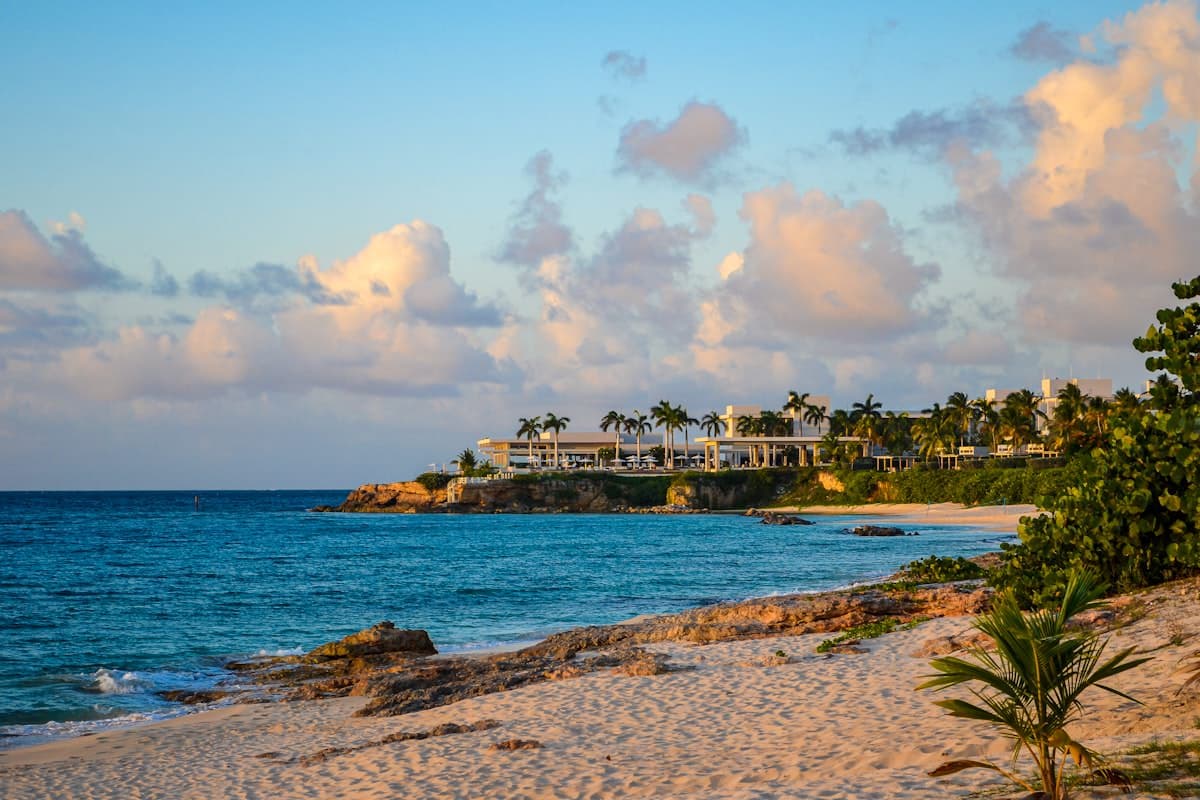
Shoal Bay East is regularly ranked among the finest beaches in the Caribbean and the wider world, with a long sweep of soft white sand and clear turquoise water. The calm, shallow waters are ideal for snorkelling, swimming, and unhurried days, and a handful of beach bars and restaurants line the shore.
Meads Bay
Meads Bay stretches along the western end of the island with silky sand and aquamarine water, and it tends to feel quieter than Shoal Bay East. It is the setting for several of Anguilla's best-known resorts and restaurants, and a popular launching point for diving trips.
Rendezvous Bay
Rendezvous Bay is a broad, gently curving beach on the southern coast with calm water that suits even the least confident swimmers. It offers a relaxed retreat away from the busier beaches, with long views across to neighbouring Saint-Martin.
Wallblake House
Wallblake House in The Valley is the oldest surviving building on Anguilla, a former plantation house dating from the eighteenth century. The restored estate and its outbuildings give visitors a window into the island's colonial and agricultural past.
Wise
Your bank marks up every USD you spend in Anguilla. Wise doesn't.
- No foreign transaction fees
- Free ATM withdrawals up to your limit
- Pay in local currency at the real rate
4.8 ★ App Store·4.8 ★ Google Play
Airalo eSIM
Your phone plan was built for home. This one was built for Anguilla.
- No SIM swapping
- No data roaming charges
- Active in minutes
4.7 ★ App Store·4.6 ★ Google Play
Health & Safety
Health & Emergency Info
Before You Travel
Before you travel check that: your destination can provide the healthcare you may need you have appropriate travel insurance for local treatment or unexpected medical evacuation This is particularly important if you have a health condition or are pregnant. Emergency medical number Call 911 and ask for an ambulance. Contact your insurance company quickly if you’re referred to a medical facility for treatment. Vaccine recommendations and health risks At least 8 weeks before your trip: check the latest vaccine recommendations for Anguilla see where to get vaccines and whether you have to pay on t
Full health advice (FCDO) →Emergency Numbers
Police911
Ambulance911
Fire911
Health information sourced from UK FCDO. Always consult a travel health professional before departure.
Practical Info
Travel Essentials
Travel Guide
Frequently Asked Questions About Visiting Anguilla
Entry requirements depend on your passport nationality. Check your specific requirements on the Anguilla destination page at Yoogo before you book.
The official currency is the East Caribbean dollar (XCD), which is fixed to the US dollar at a rate of roughly US$1 to EC$2.70. US dollars are widely accepted across the island, and major credit and debit cards are taken at most hotels, restaurants, and larger shops, though it is wise to carry some cash for smaller vendors, taxis, and beach bars.
Anguilla is generally regarded as one of the safer destinations in the Caribbean, with low levels of serious crime. As anywhere, you should take sensible precautions such as securing valuables, locking your accommodation and hire car, and being aware of strong currents at some beaches. The single emergency number across the island is 911.
There is no public bus network, so most visitors rely on taxis, hire cars, or scooters to get around. Driving is on the left, and a temporary local driving permit is required in addition to your home licence, which car hire companies and the police can arrange. The island is small, so journeys between beaches and villages are typically short.
The most popular time to visit is the dry season from December to April, when the weather is sunny, warm, and reliably pleasant. The quieter months from May to November can offer lower prices and fewer crowds, though this period overlaps with the Atlantic hurricane season, so it is worth checking forecasts and considering travel insurance.
English is the official language and is spoken throughout the island, so communication is straightforward for English-speaking visitors. Many Anguillans also speak an English-based Creole in everyday conversation, but you will have no difficulty being understood in shops, restaurants, and hotels.
No vaccinations are routinely required for most travellers, though you should ensure your standard immunisations are up to date and check the latest guidance before you travel. Tap water is generally treated, but many visitors prefer bottled water, and you should pack sun protection and any personal medication, as the island has limited pharmacy and medical facilities. For serious conditions, patients are sometimes transferred off-island.
Many restaurants and hotels add a service charge of around ten to fifteen per cent to the bill, so it is worth checking before adding more. Where no service charge is included, a tip of around ten to fifteen per cent is customary for good service, and small gratuities for taxi drivers and porters are appreciated.