←All destinations
Travel Guide
Visiting Antigua and Barbuda
Select your passport to instantly check if you need a visa.
Discover
Top Attractions in Antigua and Barbuda
The most iconic and unmissable experiences this country has to offer.
UNESCO World Heritage
Nelson's Dockyard National Park
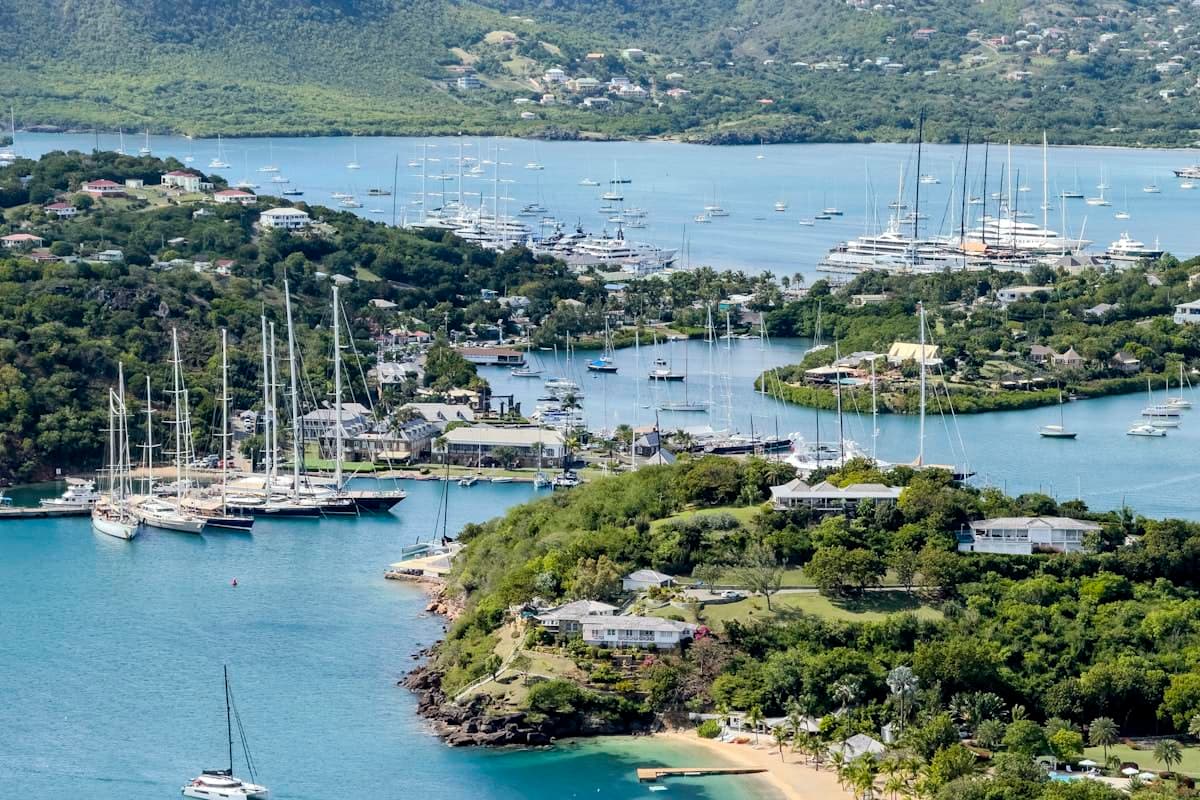
Inscribed as a UNESCO World Heritage Site in 2016, Nelson's Dockyard is the only continuously operating Georgian-era dockyard in the world, set within a protected natural harbour on Antigua's south coast. The restored 18th- and 19th-century buildings house a museum, marina, hotels, and restaurants, while the surrounding national park encompasses scenic hills, beaches, and archaeological sites. Named after Admiral Horatio Nelson, who was stationed here from 1784 to 1787, the dockyard offers a vivid portrait of British naval power during the age of sail.
Shirley Heights Lookout
Perched roughly 150 metres above English Harbour, Shirley Heights is a ruined 18th-century military complex that forms part of the UNESCO-listed Antigua Naval Dockyard site. The panoramic views sweep across English Harbour, Falmouth Harbour, and on clear days extend to the islands of Guadeloupe and Montserrat. The site is named after Sir Thomas Shirley, governor-in-chief of the Leeward Islands, and the original signal station here dates to the American War of Independence.
Wise
Your bank marks up every USD you spend in Antigua and Barbuda. Wise doesn't.
- No foreign transaction fees
- Free ATM withdrawals up to your limit
- Pay in local currency at the real rate
4.8 ★ App Store·4.8 ★ Google Play
Airalo eSIM
Your phone plan was built for home. This one was built for Antigua and Barbuda.
- No SIM swapping
- No data roaming charges
- Active in minutes
4.7 ★ App Store·4.6 ★ Google Play
Health & Safety
Health & Emergency Info
Before You Travel
Before you travel check that: your destination can provide the healthcare you may need you have appropriate travel insurance for local treatment or unexpected medical evacuation This is particularly important if you have a health condition or are pregnant. Emergency medical number Call 999 or 911 and ask for an ambulance. Contact your insurance company promptly if you’re referred to a medical facility for treatment. Vaccine recommendations and health risks At least 8 weeks before your trip: check the latest information on vaccine recommendations for Antigua and Barbuda see where to get vaccine
Full health advice (FCDO) →Emergency Numbers
Police911
Ambulance911
Fire911
Health information sourced from UK FCDO. Always consult a travel health professional before departure.
Practical Info
Travel Essentials
Travel Guide
Frequently Asked Questions About Visiting Antigua and Barbuda
Entry requirements vary by passport. Check the requirements for your specific passport on the Antigua and Barbuda page at Yoogo.
The official currency is the Eastern Caribbean dollar (XCD), which is pegged to the US dollar at a fixed rate of approximately 2.70 XCD to 1 USD. US dollars are widely accepted at hotels, restaurants, and larger shops, though local buses and small vendors generally prefer Eastern Caribbean dollars. Major credit cards are accepted at most tourist-facing businesses, but carrying some cash is advisable for markets, beach bars, and smaller establishments.
Antigua and Barbuda is generally considered one of the more peaceful Caribbean destinations, with most visits passing without incident. Petty theft can occur in tourist areas, so standard precautions with valuables apply, particularly on beaches and in busy market districts. Visitors should check their government's current travel advisory before departure.
Taxis are the most convenient option for tourists and are widely available at the airport, cruise terminals, and major hotels; agree the fare before setting off as they are not metered. Minibuses serve routes between Saint John's and the main villages at low cost, though schedules can be infrequent. Hiring a car gives the most flexibility for exploring the island, and drivers must hold a local visitor's permit, available from car rental agencies.
The dry season from December to April brings the most reliable sunshine, lower humidity, and temperatures typically between 22 and 29 degrees Celsius, making it the most popular and most expensive period to visit. April is widely regarded as the sweet spot, combining excellent weather with the spectacle of Antigua Sailing Week and fewer crowds than the peak Christmas period. The wetter months of June to November coincide with Atlantic hurricane season, though direct hits are relatively rare.
English is the official language and is spoken by virtually the entire population, making communication straightforward for most visitors. Antiguan Creole, a dialect blending English with West African linguistic influences, is also widely spoken in everyday conversation. Basic courtesies in standard English are universally understood and appreciated.
No vaccinations are legally required for entry unless arriving from a country with a risk of yellow fever, though health authorities generally recommend being up to date on routine immunisations including hepatitis A, typhoid, and tetanus. The islands have no significant malaria risk, but mosquito repellent is advisable as dengue fever and chikungunya are present in the Caribbean region. Travellers should ensure their health insurance provides overseas coverage, as medical facilities on the islands are limited and serious cases may require evacuation.