Attraction in Bahamas
Inagua National Park
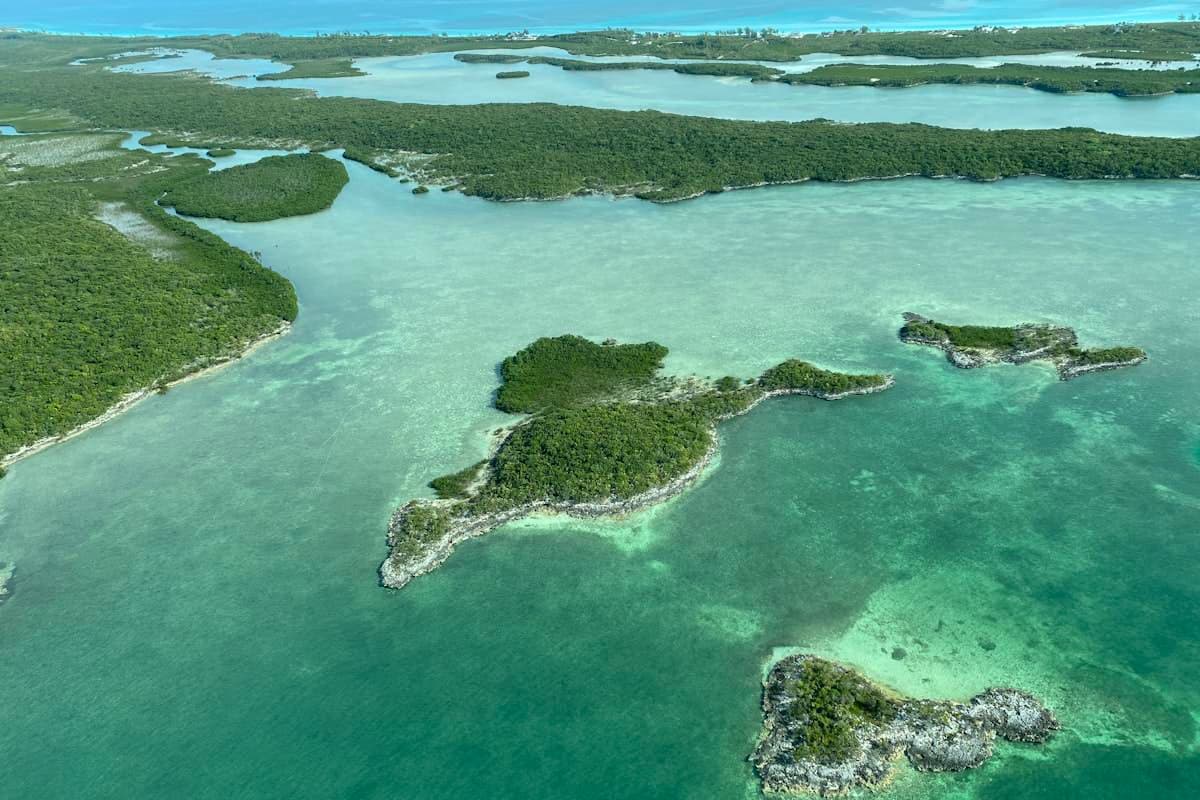
Covering more than 180,000 acres on Great Inagua, the southernmost major island of the Bahamas, Inagua National Park protects the largest breeding colony of West Indian flamingos in the world, with roughly 60,000 birds nesting in its shallow lakes and wetlands. The park, managed by the Bahamas National Trust since 1965, also shelters roseate spoonbills, egrets, and the endemic Bahama parrot.
Wise
Your bank marks up every USD you spend in the Bahamas. Wise doesn't.
- No foreign transaction fees
- Free ATM withdrawals up to your limit
- Pay in local currency at the real rate
4.8 ★ App Store·4.8 ★ Google Play
Airalo eSIM
Your phone plan was built for home. This one was built for the Bahamas.
- No SIM swapping
- No data roaming charges
- Active in minutes
4.7 ★ App Store·4.6 ★ Google Play
Travel Guide
Frequently Asked Questions About Visiting Bahamas
Entry requirements vary by passport. Check the requirements for your specific passport on the Bahamas page at Yoogo.
The official currency is the Bahamian dollar (BSD), which is pegged at parity with the US dollar, meaning both currencies are accepted interchangeably throughout the islands. Credit and debit cards are widely accepted at hotels, restaurants, and larger shops, though smaller establishments and vendors in the Out Islands may prefer cash.
Nassau and Freeport are popular destinations visited by millions of tourists each year, and most visits are trouble-free, particularly in resort and tourist areas. Petty theft can occur in busy areas, so standard precautions such as not leaving valuables unattended apply, and some districts of Nassau are best avoided at night.
On New Providence and Grand Bahama, privately operated minibuses known as jitneys provide affordable local transport, and taxis are available from stands outside major hotels and attractions. Between islands, Bahamas Ferries connects Nassau to Eleuthera, the Exumas, the Abacos, Andros, and Freeport, while inter-island flights via small charter operators offer a faster alternative for reaching the more remote Out Islands.
The dry season from mid-December to mid-April is considered the peak travel period, offering low humidity, minimal rainfall, and temperatures around 24–27 degrees Celsius. The shoulder months of November and late April deliver similar weather with fewer crowds, while the wet season from June to November coincides with Atlantic hurricane season, with the highest risk of storms between August and October.
English is the official and everyday language of the Bahamas, so communication presents no difficulty for English-speaking visitors. A distinctive Bahamian dialect blends West African, Caribbean, and British English influences and is widely spoken alongside standard English.
Proof of yellow fever vaccination is required if arriving from a country where the disease is endemic. The CDC recommends travellers be up to date on routine immunisations and consider vaccination against hepatitis A and typhoid, and dengue fever carried by mosquitoes is a risk throughout the Caribbean, so insect repellent is advisable.
Tipping is customary and expected in the service industry, broadly following North American norms. Many restaurants automatically add a 15 per cent service charge to the bill, in which case no additional tip is necessary unless the service has been exceptional; where no charge is added, leaving 15–20 per cent is the norm.