←Benin travel guide
Atacora Department, Benin
Natitingou
Gateway to the Atacora highlands and the Batammariba homeland
AdventureCultureNature & Outdoors
Natitingou is the principal town of the Atakora Department in northern Benin, set among the Atacora Mountains and surrounded by the distinctive Tata Somba fortified dwellings of the Batammariba people. Its ethnographic museum and proximity to Pendjari National Park make it a natural base for exploring the country's far north.
Check Benin visa requirements →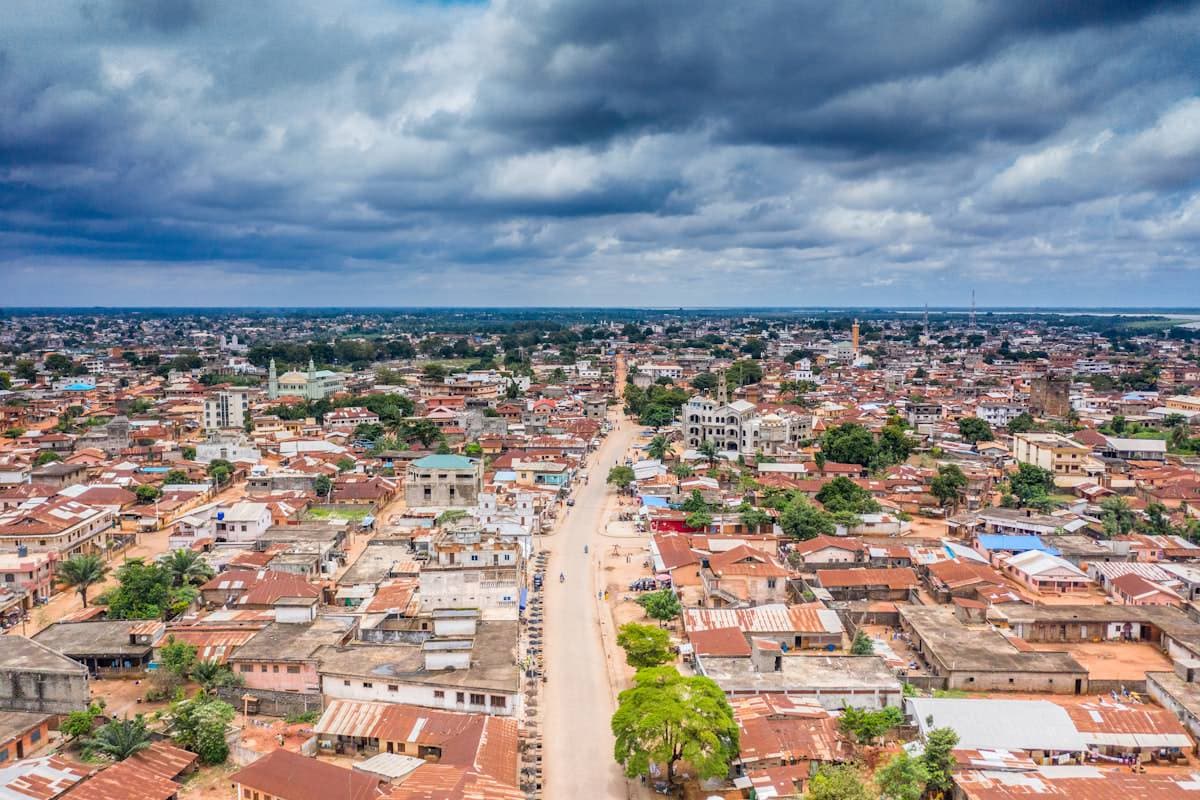
Best time to visit
November to February (dry season)
Region
Atacora Department
Beyond the City
Day Trips from Natitingou
UNESCO World HeritageNature
Pendjari National Park
Pendjari National Park in northwestern Benin covers approximately 4,844 square kilometres of savannah, woodland, and riverine floodplain along the Pendjari River. Declared a UNESCO Biosphere Reserve in 1986 and forming part of the transboundary W-Arly-Pendjari ecosystem, it shelters the largest remaining population of West African lions, one of only two surviving populations of the Northwest African cheetah, and more than 800 elephants.
UNESCO World Heritage
Wise
Your bank marks up every USD you spend in Benin. Wise doesn't.
- No foreign transaction fees
- Free ATM withdrawals up to your limit
- Pay in local currency at the real rate
4.8 ★ App Store·4.8 ★ Google Play
Airalo eSIM
Your phone plan was built for home. This one was built for Benin.
- No SIM swapping
- No data roaming charges
- Active in minutes
4.7 ★ App Store·4.6 ★ Google Play
Plan Your Trip
Getting Around Natitingou
Tours, stays, transfers, and flights — curated partner options are on the way.
Tours & Activities
Skip-the-line tickets, guided tours, and day experiences — curated partner options are on the way.
Coming soonWhere to Stay
Hotels, apartments, and guesthouses across every neighbourhood — booking options are on the way.
Coming soonAirport Transfers
Private and shared rides between the airport and the city centre — partner options are on the way.
Coming soonFlights
Compare fares from hundreds of airlines to find the best route in — search options are on the way.
Coming soonTravel Guide
Frequently Asked Questions About Visiting Benin
Entry requirements vary by passport. Check the requirements for your specific passport on the Benin page at Yoogo.
Benin uses the West African CFA franc (XOF), which is pegged to the euro at a fixed rate of approximately 656 XOF per euro. Cash is essential for most transactions, as card acceptance is extremely limited outside a small number of upmarket hotels in Cotonou. Bring euros to exchange for a favourable rate, and withdraw local currency from ATMs in Cotonou before heading to other regions.
Urban areas in the south such as Cotonou, Porto-Novo, and Ouidah are generally manageable for travellers who take standard precautions against petty theft. The far north, including areas near the borders with Burkina Faso and Niger, carries higher risks and is subject to advisories from several governments. Always consult your government's official travel advisory before departure and review it again close to your travel date.
Zémidjans, the ubiquitous motorcycle taxis whose name means 'get me there fast' in Fon, are the quickest way to cover short distances in towns, with fares negotiated before departure. Shared minibuses (bush taxis) connect cities such as Cotonou, Abomey, and Natitingou, though journey times can be long on unpaved roads. Car hire with a driver is the most comfortable option for reaching Pendjari National Park and other remote sites.
The most comfortable period is the dry season from November to February, when temperatures are lower and rainfall is minimal across both the south and north of the country. The annual Voodoo Festival takes place in Ouidah each January, making that month particularly lively for cultural travellers. The south experiences two rainy seasons (roughly April to mid-July, and mid-September to late October), while the north has a single wet season from June to early October.
French is the official language of Benin and is used in government, education, and commerce throughout the country. Fon and Yoruba are the most widely spoken local languages in the south, while dozens of other indigenous languages are used in different regions. English is not widely spoken, so a basic command of French or a translation app will be very helpful outside tourist-facing businesses.
A valid yellow fever vaccination certificate is required for entry into Benin, and all travellers over nine months of age must present proof of vaccination upon arrival. Malaria is present throughout the country, so anti-malarial medication is strongly recommended regardless of itinerary. Consult a travel health clinic or GP six to eight weeks before departure to discuss hepatitis A, typhoid, and other recommended vaccinations.