←Bolivia travel guide
Santa Cruz Department, Bolivia
Santa Cruz de la Sierra
Bolivia's sprawling lowland gateway to the tropics and the Amazon
CultureNature & Outdoors
Santa Cruz de la Sierra is Bolivia's largest city and economic engine, set in the warm tropical lowlands east of the Andes at a far lower altitude than the highland capitals. Its historic Plaza 24 de Septiembre is ringed by colonial arcades and the 18th-century Cathedral Metropolitana, while the surrounding region offers access to the Chiquitania's Jesuit mission circuit and the edges of the Amazon basin.
Check Bolivia visa requirements →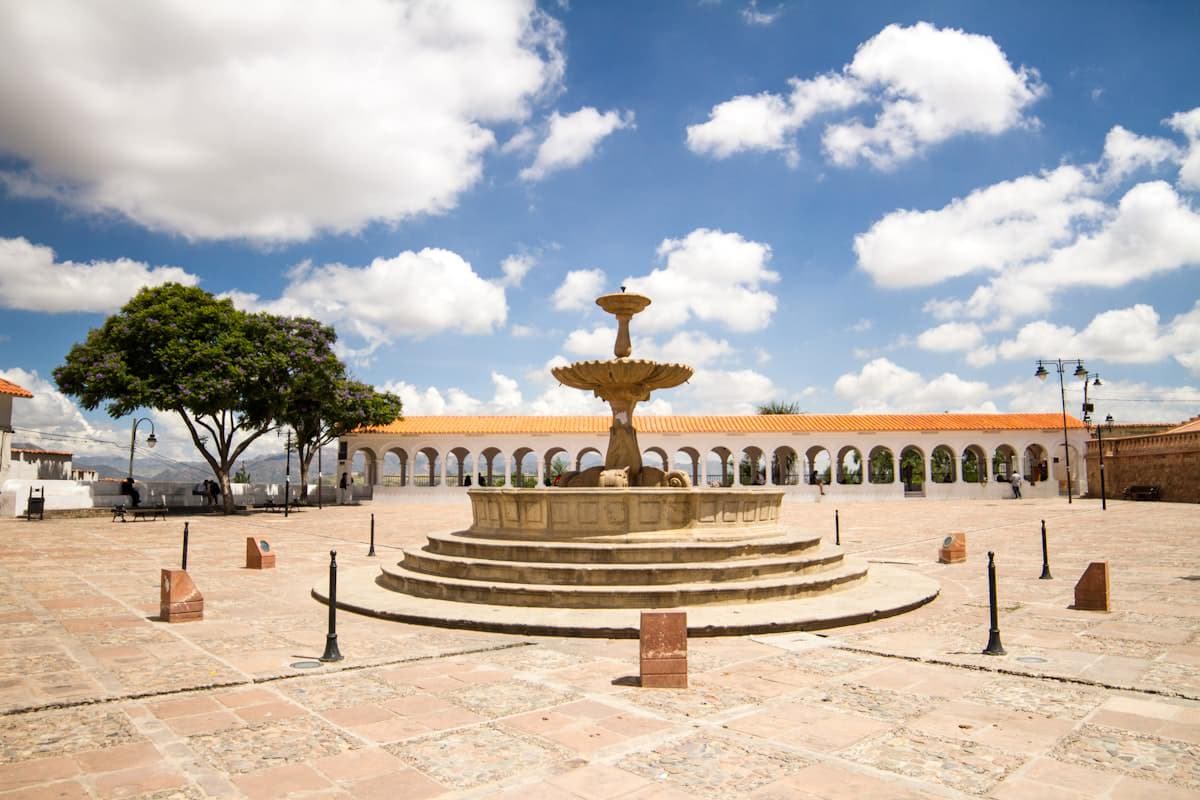
Best time to visit
April to September (dry season)
Region
Santa Cruz Department
Main airport
Santa Cruz (VVI)
Beyond the City
Day Trips from Santa Cruz de la Sierra
UNESCO World HeritageCulture
Jesuit Missions of the Chiquitos
Six surviving mission settlements founded by Jesuit priests between 1696 and 1760 form a UNESCO World Heritage Site scattered across the tropical lowlands of eastern Bolivia, in the region known as Chiquitania. The churches at San Francisco Javier, Concepcion, Santa Ana, San Miguel, San Rafael, and San Jose represent a remarkable fusion of European Baroque architecture with local Chiquitano craft traditions, expressed through carved wooden columns, painted facades, and thriving musical traditions that continue today. The circuit remains a living community heritage rather than a ruin, with regular baroque music festivals animating the mission churches.
UNESCO World Heritage
Wise
Your bank marks up every USD you spend in Bolivia. Wise doesn't.
- No foreign transaction fees
- Free ATM withdrawals up to your limit
- Pay in local currency at the real rate
4.8 ★ App Store·4.8 ★ Google Play
Airalo eSIM
Your phone plan was built for home. This one was built for Bolivia.
- No SIM swapping
- No data roaming charges
- Active in minutes
4.7 ★ App Store·4.6 ★ Google Play
Plan Your Trip
Getting Around Santa Cruz de la Sierra
Tours, stays, transfers, and flights — curated partner options are on the way.
Tours & Activities
Skip-the-line tickets, guided tours, and day experiences — curated partner options are on the way.
Coming soonWhere to Stay
Hotels, apartments, and guesthouses across every neighbourhood — booking options are on the way.
Coming soonAirport Transfers
Private and shared rides between the airport and the city centre — partner options are on the way.
Coming soonFlights
Compare fares from hundreds of airlines to find the best route in — search options are on the way.
Coming soonTravel Guide
Frequently Asked Questions About Visiting Bolivia
Entry requirements vary by passport. Check the requirements for your specific passport on the Bolivia page at Yoogo.
Bolivia's currency is the boliviano (BOB), and US dollars are also widely accepted in tourist areas, hotels, and larger restaurants. Card payments are becoming more common in cities such as La Paz, Sucre, and Santa Cruz, but cash remains essential in smaller towns, markets, and rural areas, so it is advisable to carry a supply of bolivianos.
Bolivia is generally a rewarding destination for travellers who take sensible precautions, with the majority of visits passing without incident. Petty theft and opportunistic crime occur in busy markets and city centres, and some regions see periodic political demonstrations that can disrupt transport. Check your government's current travel advisory before departure for the most up-to-date information.
Bolivia has an extensive network of long-distance buses connecting major cities, and domestic flights between La Paz, Santa Cruz, Sucre, and Cochabamba save considerable time on long routes. In cities, taxis and ride-hailing apps such as InDriver are widely used, while cable cars (teleferico) provide a useful and scenic alternative in La Paz.
The dry season from May to October is generally the most popular time to visit, offering clear skies, stable road conditions, and the best conditions for trekking, visiting the salt flats, and exploring Lake Titicaca. The wet season from November to March brings lush landscapes and the famous mirror-effect on the Salar de Uyuni but can make remote roads impassable, particularly in the Amazon lowlands.
Spanish is the dominant language spoken by around 84 per cent of the population and is the most useful language for travellers. Quechua and Aymara are widely spoken across the Andean highlands, and you will frequently hear them alongside Spanish in markets and rural communities. English is limited outside upmarket hotels and specialist tour operators, so a working knowledge of basic Spanish makes a significant practical difference.
A yellow fever vaccination certificate is required for all travellers aged one year and older entering Bolivia, particularly if visiting lowland areas below approximately 2,300 metres east of the Andes. Hepatitis A, typhoid, and routine immunisations are also widely recommended, and malaria prophylaxis is advised for travel to Amazonian lowland regions. The high altitude of the Andean cities, including La Paz at over 3,500 metres, means that acclimatisation time and awareness of altitude sickness symptoms are important considerations, so consult a travel health specialist well before departure.