←British Virgin Islands travel guide
City in British Virgin Islands
Spanish Town
Virgin Gorda's main settlement and gateway to The Baths.
Spanish Town, also known as The Valley, is the hub of Virgin Gorda and the jumping-off point for the famous granite boulders of The Baths. A small marina and a handful of beach bars set the unhurried tone.
Check British Virgin Islands visa requirements →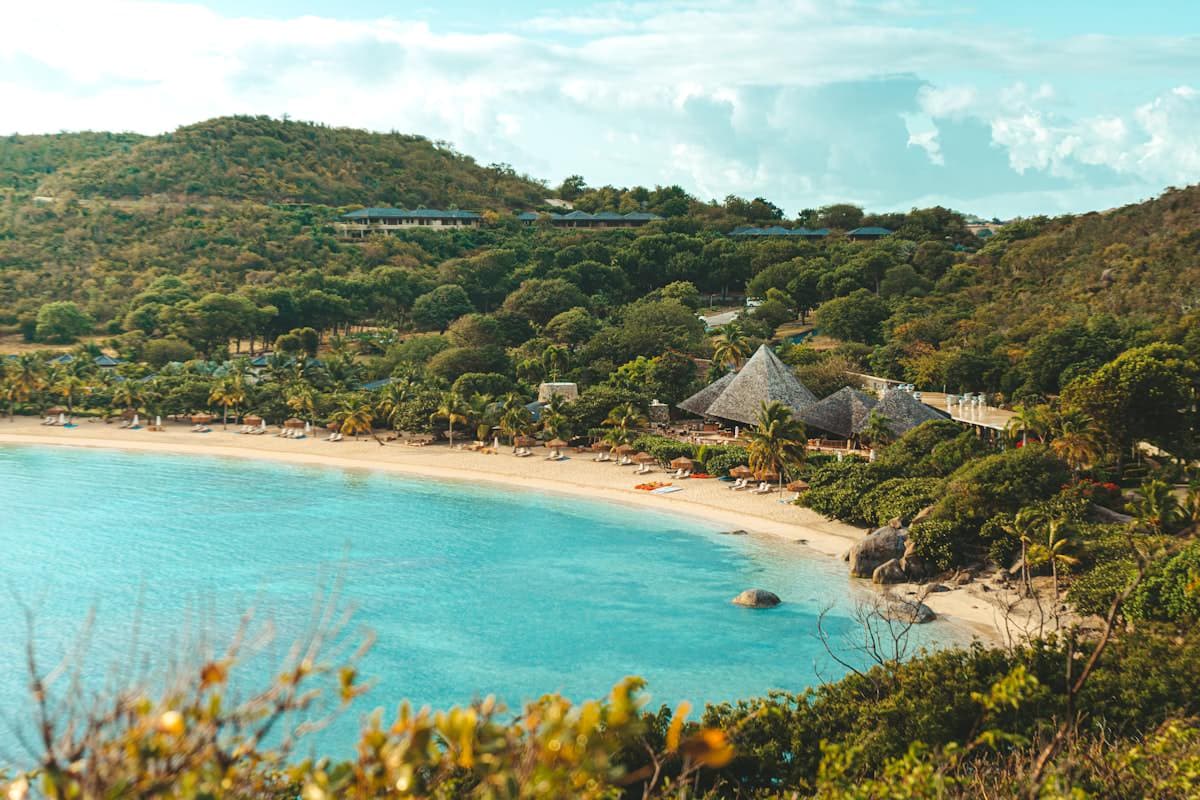
Wise
Your bank marks up every USD you spend in the British Virgin Islands. Wise doesn't.
- No foreign transaction fees
- Free ATM withdrawals up to your limit
- Pay in local currency at the real rate
4.8 ★ App Store·4.8 ★ Google Play
Airalo eSIM
Your phone plan was built for home. This one was built for the British Virgin Islands.
- No SIM swapping
- No data roaming charges
- Active in minutes
4.7 ★ App Store·4.6 ★ Google Play
Plan Your Trip
Getting Around Spanish Town
Tours, stays, transfers, and flights — curated partner options are on the way.
Tours & Activities
Skip-the-line tickets, guided tours, and day experiences — curated partner options are on the way.
Coming soonWhere to Stay
Hotels, apartments, and guesthouses across every neighbourhood — booking options are on the way.
Coming soonAirport Transfers
Private and shared rides between the airport and the city centre — partner options are on the way.
Coming soonFlights
Compare fares from hundreds of airlines to find the best route in — search options are on the way.
Coming soonTravel Guide
Frequently Asked Questions About Visiting British Virgin Islands
The British Virgin Islands are a British Overseas Territory with their own entry rules, separate from the United Kingdom. Entry requirements vary by passport nationality, so check your specific requirements on the British Virgin Islands destination page at Yoogo before you book.
The official currency is the United States dollar (USD), despite the territory being British. Cards are accepted in hotels, restaurants, and larger shops, though it is worth carrying cash for smaller islands, taxis, and beach bars.
The British Virgin Islands are generally a safe and relaxed destination, and most visits are trouble-free. Take normal precautions with valuables, especially on boats and beaches, and be mindful of sea conditions when swimming or snorkelling.
Ferries are the backbone of island travel, linking Tortola, Virgin Gorda, Jost Van Dyke, and Anegada. On the larger islands, taxis and hire cars are available, and many visitors explore by chartered or crewed yacht, as sailing is central to the islands' appeal.
The dry season from December to April brings warm, settled weather and is the peak sailing season. The months from June to November are hotter and wetter and fall within the Atlantic hurricane season, so check forecasts if you plan to travel then.
English is the official language and is spoken throughout the territory. A relaxed local Creole-influenced dialect is common in everyday conversation, but visitors will have no trouble communicating in standard English.
No special vaccinations are required for most travellers, though keeping routine jabs up to date is sensible. Mosquito-borne illnesses can occur in the region, so pack insect repellent and check the latest health guidance before you travel.
A service charge of around 10 to 15 per cent is often added to restaurant and hotel bills, so check before adding more. Where service is not included, a tip of around 15 per cent is customary, and rounding up for taxis is appreciated.
The main islands have good mobile coverage, though signal can fade on remote cays and at sea. A travel eSIM from a provider such as Airalo is a convenient way to stay connected without high roaming charges, and you can set it up before you arrive.
Island life is friendly and unhurried, and a warm greeting before getting down to business is always appreciated. Beachwear is best kept to the beach and waterfront, and respecting the relaxed pace is part of the experience.