←Bulgaria travel guide
Veliko Tarnovo Province, Bulgaria
Veliko Tarnovo
Medieval capital perched above a dramatic river gorge
CultureHistory & HeritageScenic Views
Veliko Tarnovo cascades down steep hillsides above a tight loop of the Yantra River, its skyline dominated by the restored Tsarevets Fortress that once served as the seat of the Second Bulgarian Empire. The town's medieval quarter, craft workshops, and traditional restaurants make it one of the country's most atmospheric destinations.
Check Bulgaria visa requirements →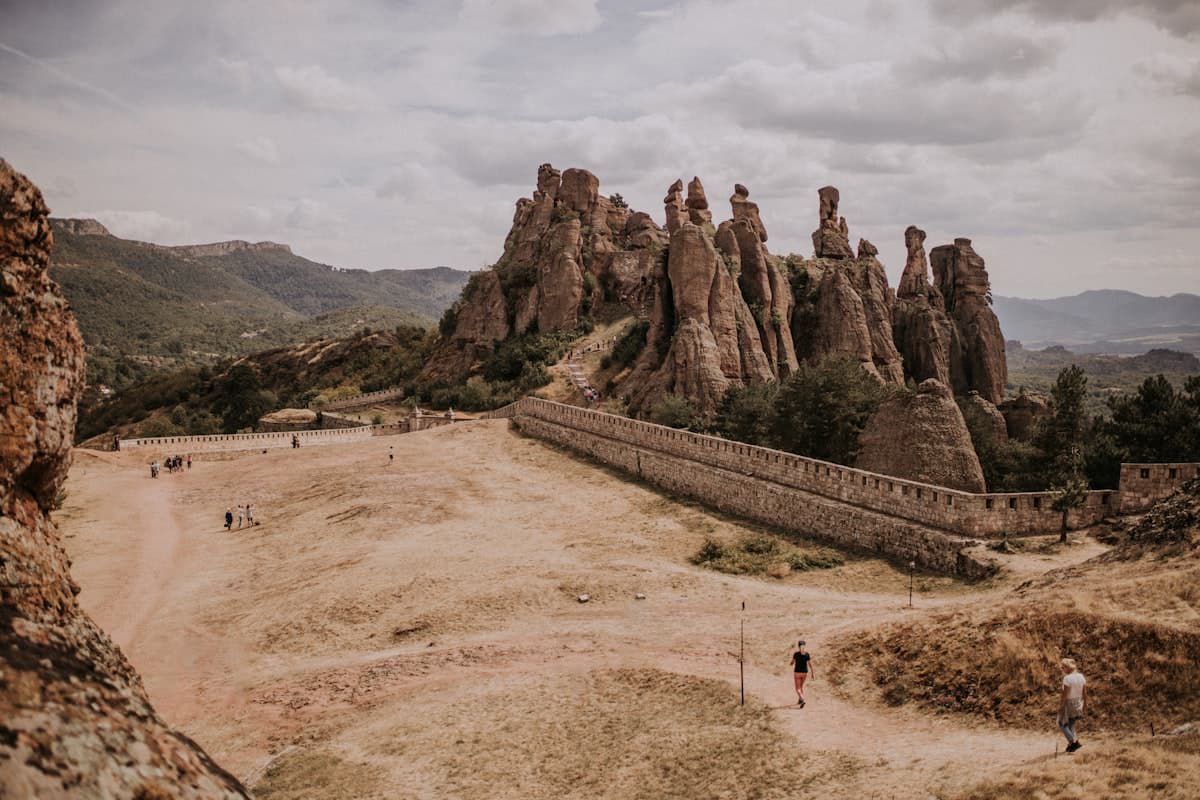
Best time to visit
May to June and September to October
Region
Veliko Tarnovo Province
Wise
Your bank marks up every USD you spend in Bulgaria. Wise doesn't.
- No foreign transaction fees
- Free ATM withdrawals up to your limit
- Pay in local currency at the real rate
4.8 ★ App Store·4.8 ★ Google Play
Airalo eSIM
Your phone plan was built for home. This one was built for Bulgaria.
- No SIM swapping
- No data roaming charges
- Active in minutes
4.7 ★ App Store·4.6 ★ Google Play
Plan Your Trip
Getting Around Veliko Tarnovo
Tours, stays, transfers, and flights — curated partner options are on the way.
Tours & Activities
Skip-the-line tickets, guided tours, and day experiences — curated partner options are on the way.
Coming soonWhere to Stay
Hotels, apartments, and guesthouses across every neighbourhood — booking options are on the way.
Coming soonAirport Transfers
Private and shared rides between the airport and the city centre — partner options are on the way.
Coming soonFlights
Compare fares from hundreds of airlines to find the best route in — search options are on the way.
Coming soonTravel Guide
Frequently Asked Questions About Visiting Bulgaria
Entry requirements vary by passport. Check the requirements for your specific passport on the Bulgaria page at Yoogo.
Bulgaria adopted the euro (EUR) on 1 January 2026. Cards are widely accepted in cities, hotels, and larger establishments. It is worth carrying some cash for smaller restaurants, markets, and rural areas.
Bulgaria is generally safe for tourists. Petty theft and pickpocketing can occur in busy tourist areas and on public transport in Sofia, so keep an eye on your belongings. Traffic can be erratic, particularly outside major cities. Road accident rates are higher than the EU average.
Bulgaria has an extensive bus network connecting major cities and towns, which is often faster and more comfortable than trains. The rail network is affordable but slower. Sofia has a metro, tram, and bus system. Car hire is practical for reaching rural monasteries and coastal resorts. Traffic drives on the right.
Late spring (May–June) and early autumn (September–October) are the most pleasant times for city sightseeing, with warm temperatures and fewer crowds. Summer is ideal for the Black Sea coast but can be hot and busy. Winter offers skiing at resorts such as Bansko and Borovets.
Bulgarian is the official language, written in Cyrillic script. English is widely spoken in Sofia and among younger people and those working in tourism. In smaller towns and rural areas, German and Russian are often more useful than English.
No specific vaccinations are required for standard travel to Bulgaria. Routine immunisations should be up to date. Tap water is safe in most cities, though bottled water is commonly preferred. Healthcare is adequate in cities and EU health cards are valid.
Tipping is customary in Bulgaria. In restaurants, rounding up the bill or leaving 10% for good service is standard. Taxi drivers are typically tipped by rounding up the fare. Tip directly in cash rather than adding it to a card payment.
Bulgaria has good 4G and expanding 5G coverage from providers including A1, Vivacom, and Yettel. EU roaming rules apply for European SIM holders. Prepaid SIM cards are easy to obtain at airports and phone shops. Wi-Fi is widely available in hotels, cafes, and public spaces.
Bulgarians shake their head to mean yes and nod to mean no, which is the opposite of most countries and can cause confusion. Learning this early saves misunderstanding. Remove shoes when entering a Bulgarian home. Orthodox religious sites require modest dress. Haggling is not common in shops but is acceptable at markets.