←Burkina Faso travel guide
Centre-Ouest Region, Burkina Faso
Koudougou
A welcoming market town known for weaving and warm hospitality.
CultureHistory & Heritage
Koudougou is Burkina Faso's third-largest city, long associated with traditional weaving and a busy central market. Its relaxed pace and friendly cafes make it an easy stop between the capital and the southwest.
Check Burkina Faso visa requirements →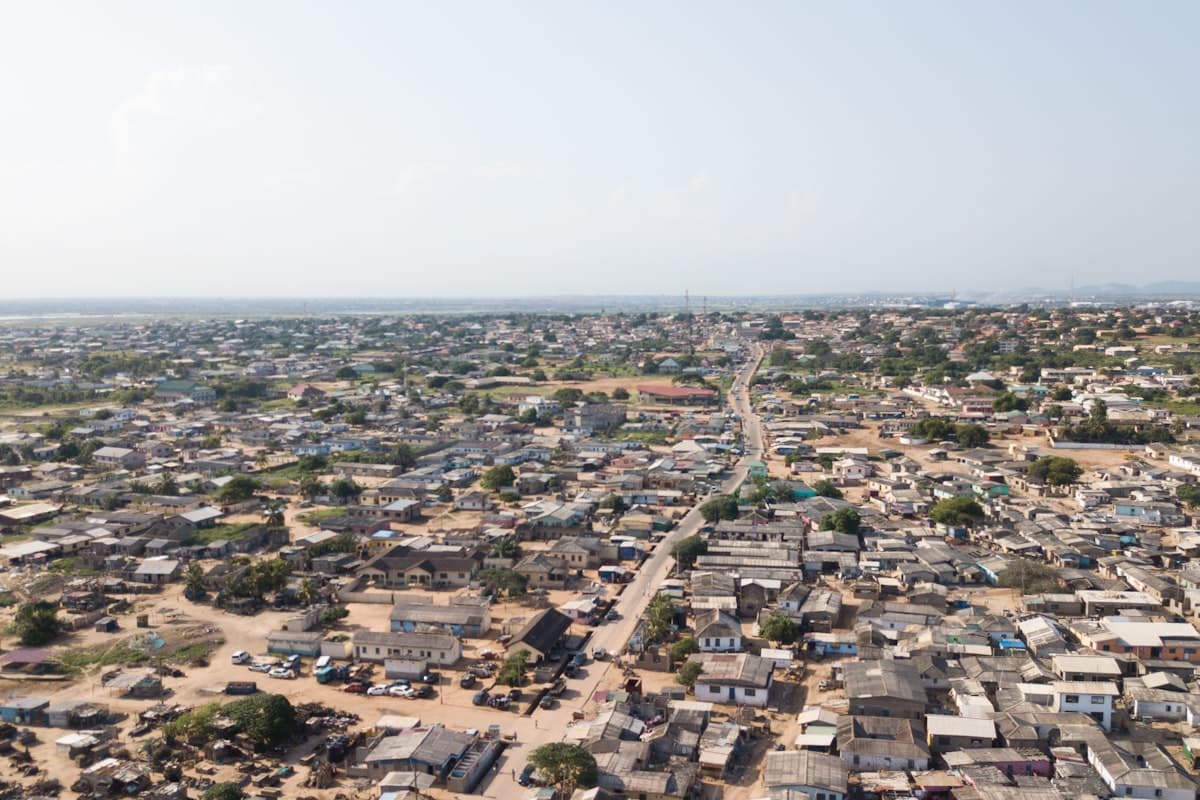
Best time to visit
November to February (dry season)
Region
Centre-Ouest Region
Wise
Your bank marks up every USD you spend in Burkina Faso. Wise doesn't.
- No foreign transaction fees
- Free ATM withdrawals up to your limit
- Pay in local currency at the real rate
4.8 ★ App Store·4.8 ★ Google Play
Airalo eSIM
Your phone plan was built for home. This one was built for Burkina Faso.
- No SIM swapping
- No data roaming charges
- Active in minutes
4.7 ★ App Store·4.6 ★ Google Play
Plan Your Trip
Getting Around Koudougou
Tours, stays, transfers, and flights — curated partner options are on the way.
Tours & Activities
Skip-the-line tickets, guided tours, and day experiences — curated partner options are on the way.
Coming soonWhere to Stay
Hotels, apartments, and guesthouses across every neighbourhood — booking options are on the way.
Coming soonAirport Transfers
Private and shared rides between the airport and the city centre — partner options are on the way.
Coming soonFlights
Compare fares from hundreds of airlines to find the best route in — search options are on the way.
Coming soonTravel Guide
Frequently Asked Questions About Visiting Burkina Faso
Entry requirements vary by passport. Check the requirements for your specific passport on the Burkina Faso page at Yoogo.
Burkina Faso uses the West African CFA franc (XOF), shared with several other West African nations. Cash is the primary means of payment. ATMs are available in Ouagadougou and Bobo-Dioulasso but unreliable elsewhere. Cards are accepted at larger hotels in the capital.
Burkina Faso faces a serious security situation. Jihadist insurgencies have affected large parts of the north, east, and Sahel regions, and the government has declared states of emergency in multiple provinces. Most governments advise against all travel to many areas of the country. Check your government's travel advisory closely before any travel and reassess conditions immediately before departure.
Intercity buses connect major cities including Ouagadougou and Bobo-Dioulasso reasonably reliably. Taxis and moto-taxis are the main urban transport in cities. Road conditions outside major routes are poor. Internal flights are limited. Check security conditions on any route before travelling.
The coolest and driest period runs from November to February, when temperatures are most bearable and outdoor travel is more comfortable. The hot dry season from March to May can be intense. The wet season from June to October brings heavy rains that can make roads impassable, but it turns the landscape green.
French is the official language of government, education, and business. Mooré, Dioula, and Fulfuldé are widely spoken as local languages alongside French. English is rarely spoken outside international organisations and larger hotels.
A yellow fever vaccination certificate is required for entry into Burkina Faso. Hepatitis A, typhoid, and meningitis vaccinations are commonly recommended, and malaria prophylaxis is strongly advised. Consult a travel health clinic at least four to six weeks before departure.
Tipping is not formally required but is appreciated. In restaurants frequented by visitors, rounding up the bill or leaving a modest gratuity is a welcome gesture. Tour guides and drivers customarily receive tips for good service.
Mobile coverage is reasonable in Ouagadougou and Bobo-Dioulasso, with Telecel, Moov Africa, and Orange all operating networks. Coverage deteriorates significantly in rural and northern areas. Prepaid SIM cards are available in the capital. Wi-Fi is available at larger hotels.