←Cabo Verde travel guide
Fogo, Cabo Verde
São Filipe
Historic colonial town on Fogo island in Cabo Verde
AdventureHistory & HeritageScenic Views
São Filipe is the main town on the island of Fogo in Cabo Verde, set on cliffs above the Atlantic. Known for its cobbled streets and colonial-era sobrado houses, it is the gateway to the Pico do Fogo volcano and the surrounding caldera vineyards.
Check Cabo Verde visa requirements →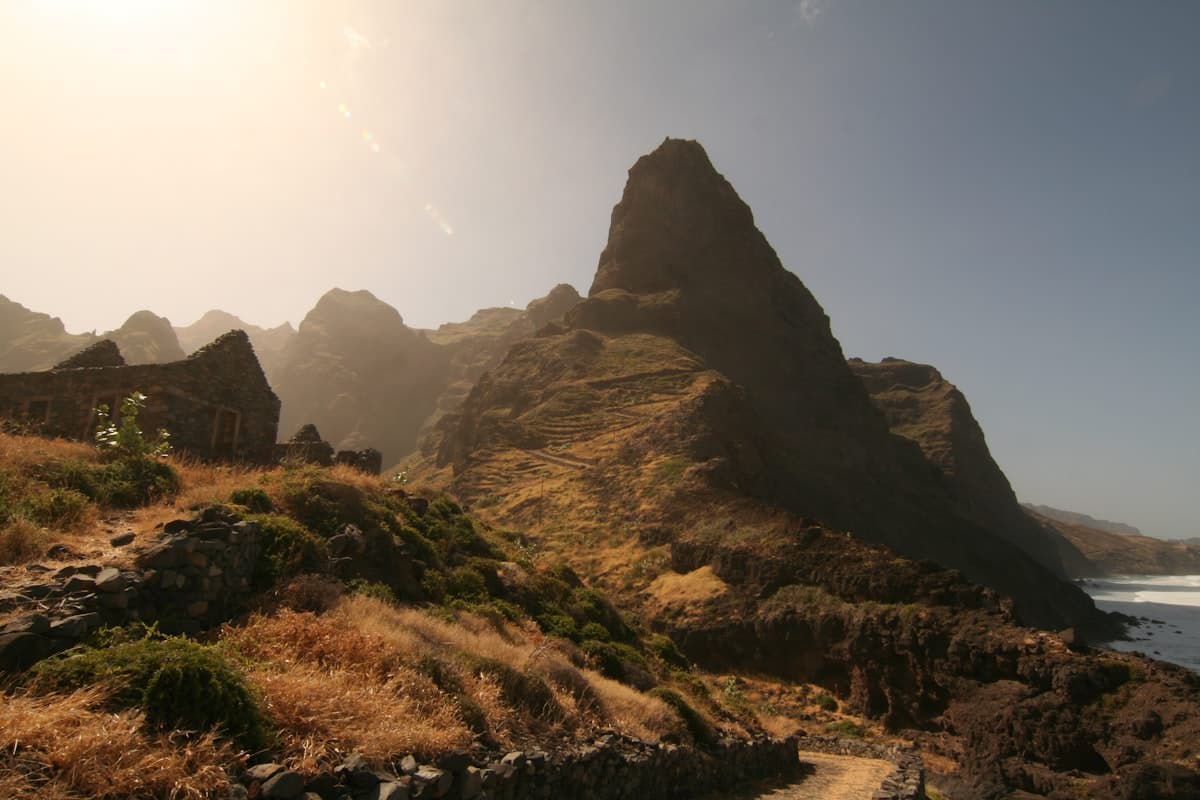
Best time to visit
November to June (dry season)
Region
Fogo
Main airport
São Filipe (Fogo) (SFL)
Wise
Your bank marks up every USD you spend in Cabo Verde. Wise doesn't.
- No foreign transaction fees
- Free ATM withdrawals up to your limit
- Pay in local currency at the real rate
4.8 ★ App Store·4.8 ★ Google Play
Airalo eSIM
Your phone plan was built for home. This one was built for Cabo Verde.
- No SIM swapping
- No data roaming charges
- Active in minutes
4.7 ★ App Store·4.6 ★ Google Play
Plan Your Trip
Getting Around São Filipe
Tours, stays, transfers, and flights — curated partner options are on the way.
Tours & Activities
Skip-the-line tickets, guided tours, and day experiences — curated partner options are on the way.
Coming soonWhere to Stay
Hotels, apartments, and guesthouses across every neighbourhood — booking options are on the way.
Coming soonAirport Transfers
Private and shared rides between the airport and the city centre — partner options are on the way.
Coming soonFlights
Compare fares from hundreds of airlines to find the best route in — search options are on the way.
Coming soonTravel Guide
Frequently Asked Questions About Visiting Cabo Verde
Entry requirements vary by passport. Check the requirements for your specific passport on the Cabo Verde page at Yoogo.
Cabo Verde uses the Cape Verdean escudo (CVE), which is pegged to the euro at a fixed rate. Euros are widely accepted on the main tourist islands of Sal and Boa Vista. Cards are accepted at hotels and larger establishments; cash is needed for smaller shops and local restaurants.
Cabo Verde is considered one of the safer destinations in West Africa. Petty theft occurs, particularly in market areas and on beaches, so keep valuables secure. Take care on roads, as traffic safety standards vary. The islands of Sal and Santiago have experienced some crime in tourist areas at night.
Inter-island travel is by domestic flight or ferry. TACV and Binter Canarias operate island-hopping flights. Ferry services connect the main islands but can be subject to weather delays and cancellations. On each island, taxis and hire cars are the main options, as public transport is limited outside main towns.
Cabo Verde enjoys warm and sunny weather year-round. The best conditions are from November to July, when temperatures are pleasantly warm and rainfall is minimal. August to October brings the harmattan, a dusty Saharan wind, and occasional tropical storms. The islands of Fogo and Santo Antão can be cooler and cloudier due to elevation.
Portuguese is the official language. Cape Verdean Creole (Kriolu) is the language spoken in daily life across the islands and is a significant marker of national identity. English and French are spoken by some in the tourism industry, particularly on Sal and Boa Vista.
No vaccinations are legally required for most travellers. Hepatitis A and typhoid vaccinations are recommended. Malaria is not present in Cabo Verde, but dengue fever has been reported. Tap water is generally not safe to drink; stick to bottled water.
Tipping is appreciated but not mandatory. In restaurants, rounding up the bill or leaving 5–10% for good service is customary. Hotel staff, tour guides, and drivers appreciate a small gratuity.
CV Móvel and Unitel T+ are the main mobile providers. Coverage is reasonable on the main tourist islands but limited on smaller or more remote islands. Prepaid SIM cards are available at airports and phone shops. Wi-Fi is available at most hotels and some cafes.
Cape Verdean culture is warm and hospitable, shaped by a blend of African and Portuguese influences. The concept of morabeza, meaning warmth and openness to strangers, is central to island life. Greetings are important: always say hello before entering a shop or starting a conversation. Morna music, associated with the late Cesária Évora, is a source of deep national pride.