←Canada travel guide
Northwest Territories, Canada
Fort Smith
Northwest Territories town and gateway to Wood Buffalo National Park
AdventureNature & OutdoorsWildlife
Fort Smith is a town in the Northwest Territories on the Slave River and the main gateway to Wood Buffalo National Park, Canada's largest national park and a UNESCO World Heritage site protecting free-roaming bison and whooping crane habitat. It offers park services and access to the surrounding wilderness. The town anchors visits to the park.
Check Canada visa requirements →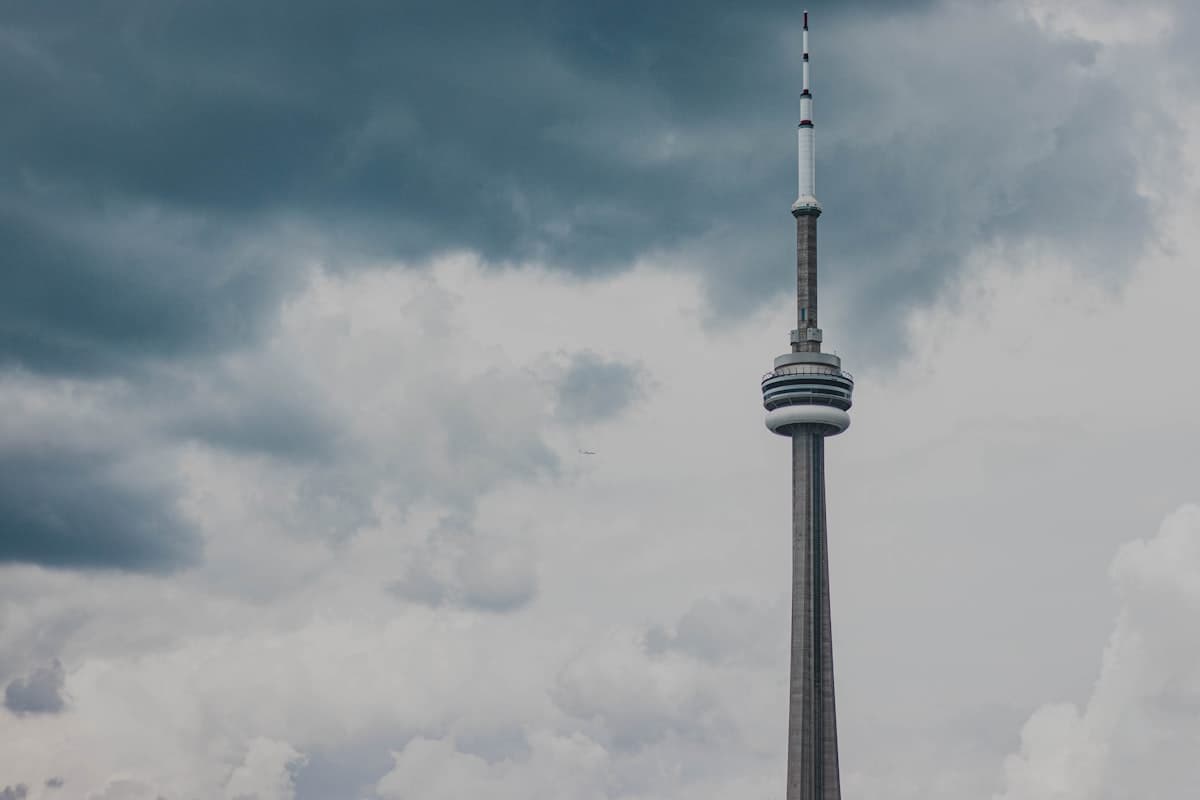
Best time to visit
June to September for park access and warm weather
Region
Northwest Territories
Main airport
Fort Smith (YSM)
Beyond the City
Day Trips from Fort Smith
Wise
Your bank marks up every USD you spend in Canada. Wise doesn't.
- No foreign transaction fees
- Free ATM withdrawals up to your limit
- Pay in local currency at the real rate
4.8 ★ App Store·4.8 ★ Google Play
Airalo eSIM
Your phone plan was built for home. This one was built for Canada.
- No SIM swapping
- No data roaming charges
- Active in minutes
4.7 ★ App Store·4.6 ★ Google Play
Plan Your Trip
Getting Around Fort Smith
Tours, stays, transfers, and flights — curated partner options are on the way.
Tours & Activities
Skip-the-line tickets, guided tours, and day experiences — curated partner options are on the way.
Coming soonWhere to Stay
Hotels, apartments, and guesthouses across every neighbourhood — booking options are on the way.
Coming soonAirport Transfers
Private and shared rides between the airport and the city centre — partner options are on the way.
Coming soonFlights
Compare fares from hundreds of airlines to find the best route in — search options are on the way.
Coming soonTravel Guide
Frequently Asked Questions About Visiting Canada
Citizens of many countries — including the UK, Australia, France, Germany, Japan, and others — can visit Canada visa-free but must obtain an Electronic Travel Authorization (eTA) before flying. US citizens are visa-exempt and do not need an eTA when flying. Citizens of other countries need a Temporary Resident Visa (TRV).
Most visitors are permitted to stay for up to 6 months per visit. The exact duration is determined by the border services officer at the port of entry.
A valid passport, a valid eTA (if applicable) or Canadian visa, evidence of sufficient funds, and a return or onward travel ticket. All travellers must clear Canada Border Services Agency (CBSA) on arrival.
Canada is one of the safest countries in the world for tourists. Crime rates in most areas are low. Exercise normal caution in all locations, particularly in downtown areas of major cities.
The Canadian Dollar (CAD, symbol C$). US dollars are widely accepted in tourist areas near the US border, though at unfavourable exchange rates. ATMs are widely available.
Canada has two official languages: English and French. French is predominant in Québec and parts of New Brunswick. The rest of the country is predominantly English-speaking.
Summer (June–August) is peak season for outdoor activities, national parks, and festivals. Winter (December–March) is ideal for skiing at Whistler or in the Rockies. Fall (September–October) brings stunning foliage across much of the country.
Explore Banff National Park, see Niagara Falls, walk Old Quebec City, whale-watch in British Columbia, ski or snowboard at Whistler, experience the Northern Lights from Yukon or Manitoba, visit the CN Tower in Toronto, and go wildlife-watching for bears and polar bears.
Toronto Pearson International (YYZ) is the busiest. Vancouver International (YVR), Montréal-Trudeau (YUL), and Calgary International (YYC) are also major international gateways.
Travel insurance is strongly recommended. Canada has an excellent public healthcare system but it does not cover foreign visitors. Medical costs can be very high.
No vaccinations are legally required for entry. Standard routine immunisations are recommended.
Yes. A valid foreign driver's licence is accepted in Canada for up to 60–90 days depending on the province. An International Driving Permit is recommended. Drive on the right side of the road.