←All destinations
Travel Guide
Visiting Cayman Islands
Select your passport to instantly check if you need a visa.
Discover
Top Attractions in Cayman Islands
The most iconic and unmissable experiences this country has to offer.
Seven Mile Beach
This crescent of soft white sand on Grand Cayman's western shore is the islands' signature sight, calm and clear for most of the year. Public access points let anyone walk the full stretch, and the gentle water is ideal for swimming and easy snorkelling.
Stingray City
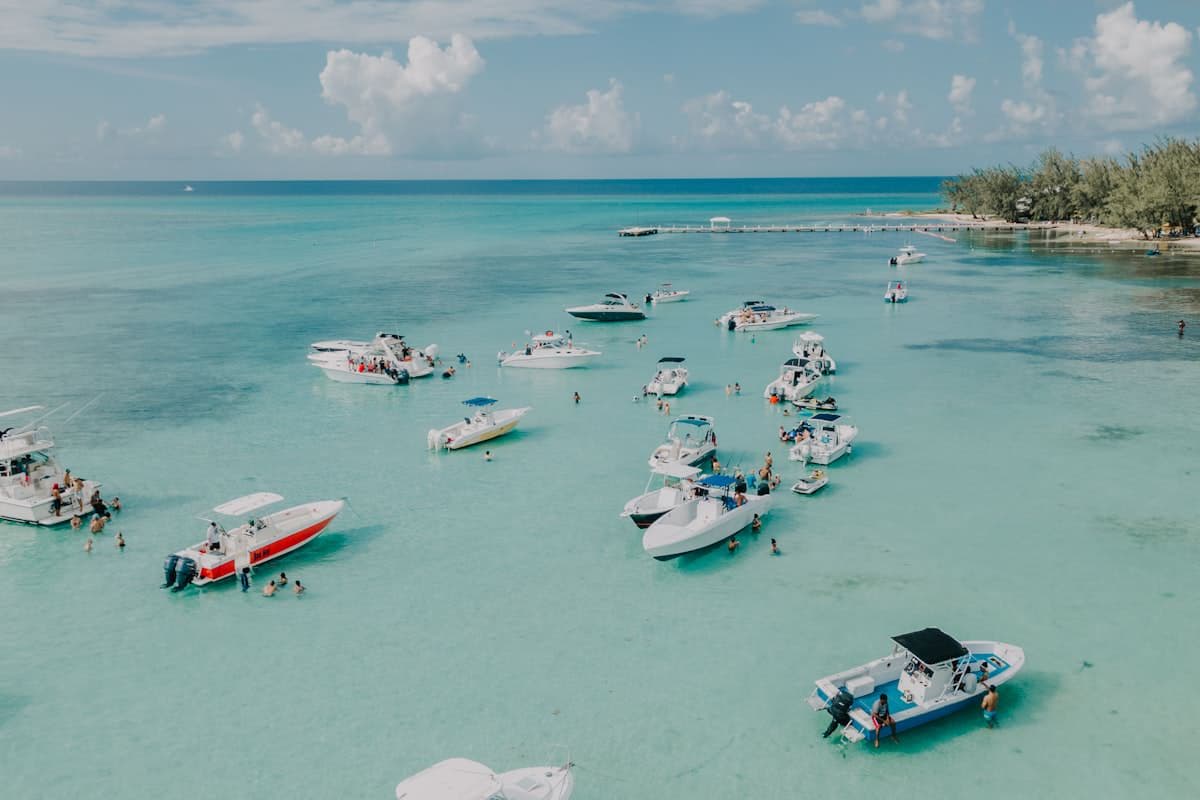
At this shallow sandbar in the North Sound, you can stand in waist-deep water while southern stingrays glide around you. Boat trips run daily, and guides explain how to interact with the animals safely and respectfully.
Cayman Crystal Caves
Hidden in tropical forest in the north of Grand Cayman, these caves reveal stalactites, underground pools, and towering chambers on guided walks. Wooden paths and clear explanations make the visit comfortable for most ages.
Queen Elizabeth II Botanic Park
This 65-acre park protects native woodland, a colour garden, and a heritage Caymanian house and garden. It is also the best place to spot the endangered blue iguana, part of a conservation programme based here.
Wise
Your bank marks up every USD you spend in the Cayman Islands. Wise doesn't.
- No foreign transaction fees
- Free ATM withdrawals up to your limit
- Pay in local currency at the real rate
4.8 ★ App Store·4.8 ★ Google Play
Airalo eSIM
Your phone plan was built for home. This one was built for the Cayman Islands.
- No SIM swapping
- No data roaming charges
- Active in minutes
4.7 ★ App Store·4.6 ★ Google Play
Health & Safety
Health & Emergency Info
Before You Travel
Before you travel check that: your destination can provide the healthcare you may need you have appropriate travel insurance for local treatment or unexpected medical evacuation This is particularly important if you have a health condition or are pregnant. Emergency medical number Call 911 and ask for an ambulance. Contact your insurance company quickly if you’re referred to a medical facility for treatment. Vaccine recommendations and health risks At least 8 weeks before your trip: check the latest vaccine recommendations for the Cayman Islands see where to get vaccines and whether you have t
Full health advice (FCDO) →Emergency Numbers
Police911
Ambulance911
Fire911
Health information sourced from UK FCDO. Always consult a travel health professional before departure.
Practical Info
Travel Essentials
Travel Guide
Frequently Asked Questions About Visiting Cayman Islands
Entry requirements depend on your passport nationality, and many visitors can enter for tourism without a visa for short stays. Check your specific requirements on the Cayman Islands destination page at Yoogo before you book.
The Cayman Islands dollar is the local currency and is fixed against the US dollar. US dollars are accepted almost everywhere, and cards are widely used, though it is worth carrying small notes for taxis and tips.
The Cayman Islands are among the safer Caribbean destinations, with low levels of crime against visitors. Take normal precautions with valuables, respect the strong currents on some beaches, and watch the sun, which is intense year round.
On Grand Cayman, hire cars, taxis, and a network of public minibuses are the main ways to travel, and driving is on the left. The smaller sister islands of Cayman Brac and Little Cayman are reached by short domestic flights.
The dry season from December to April brings the most reliable sunshine and calm seas, which suits diving and beach days. The quieter months from May to November are warmer and cheaper, though they fall within the wider hurricane season.
English is the official language and is spoken everywhere, so visitors rarely face a language barrier. You will hear it in a distinctive local accent, and many residents from elsewhere add a mix of other languages.
No special vaccinations are required, though routine immunisations should be kept up to date. Tap water is generally safe to drink, and the main health risks for visitors are sunburn and dehydration rather than disease.
Tipping is customary, and many restaurants add a service charge of around 15 per cent to the bill. Where none is included, 15 to 20 per cent is normal, and it is usual to tip taxi drivers, guides, and hotel staff.
The islands have good 4G and growing 5G coverage, and most modern handsets connect easily. To avoid high roaming charges, an eSIM from a provider such as Airalo is a simple way to get data on arrival.
Caymanian culture is courteous and fairly conservative, so a friendly greeting goes a long way and beachwear is best kept to the beach. Sundays are quieter, with some businesses closed, and protecting the reefs and marine life is taken seriously.