←China travel guide
Hubei, China
Shiyan
A city in northwestern Hubei and gateway to the Wudang Mountains.
CultureHistory & HeritageNature & Outdoors
Shiyan is a city in northwestern Hubei Province, surrounded by mountains and reservoirs. It is the gateway to the Wudang Mountains, a sacred Taoist range famed for its ancient temple complexes and as a cradle of Chinese martial arts. The mountain palaces form a UNESCO World Heritage Site.
Check China visa requirements →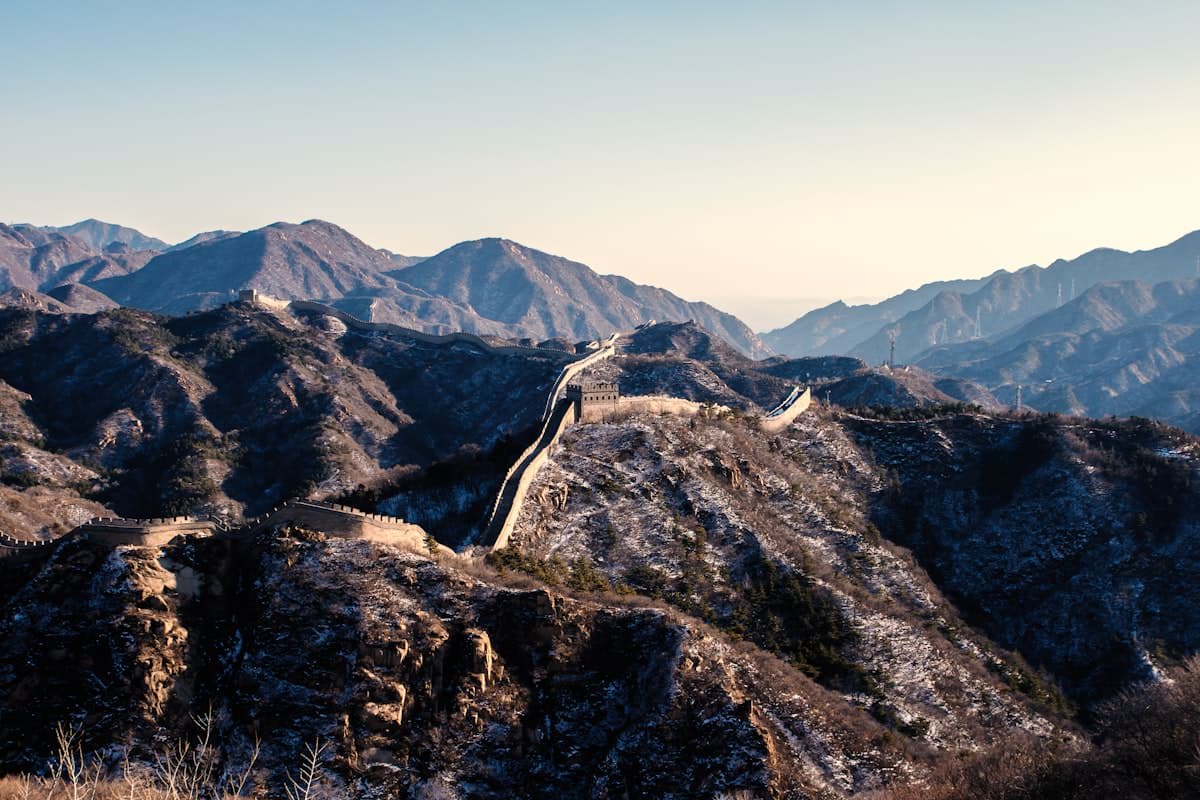
Best time to visit
April to October
Region
Hubei
Main airport
Wudangshan Airport (WDS)
Beyond the City
Day Trips from Shiyan
Wise
Your bank marks up every USD you spend in China. Wise doesn't.
- No foreign transaction fees
- Free ATM withdrawals up to your limit
- Pay in local currency at the real rate
4.8 ★ App Store·4.8 ★ Google Play
Airalo eSIM
Your phone plan was built for home. This one was built for China.
- No SIM swapping
- No data roaming charges
- Active in minutes
4.7 ★ App Store·4.6 ★ Google Play
Plan Your Trip
Getting Around Shiyan
Tours, stays, transfers, and flights — curated partner options are on the way.
Tours & Activities
Skip-the-line tickets, guided tours, and day experiences — curated partner options are on the way.
Coming soonWhere to Stay
Hotels, apartments, and guesthouses across every neighbourhood — booking options are on the way.
Coming soonAirport Transfers
Private and shared rides between the airport and the city centre — partner options are on the way.
Coming soonFlights
Compare fares from hundreds of airlines to find the best route in — search options are on the way.
Coming soonTravel Guide
Frequently Asked Questions About Visiting China
Most visitors require a visa to enter mainland China. Tourist visas (L visa category) must be applied for at a Chinese embassy or consulate before travel. China does offer a 144-hour (6-day) visa-free transit policy for citizens of many countries transiting through certain designated ports.
A standard tourist L visa allows multiple entries with stays of up to 30 or 60 days per entry. The visa validity (how long you can use it) is typically 90 days from the date of issue.
A valid passport with at least 6 months validity, a valid Chinese tourist visa, a completed Arrival Card (provided on flight), and hotel booking confirmation or an invitation letter.
China is generally very safe for tourists. The crime rate is low. However, be aware that internet access is restricted (use a VPN before arriving), and political sensitivities exist around certain topics. Exercise standard precautions.
The Chinese Yuan Renminbi (CNY/RMB, symbol ¥). Mobile payments via WeChat Pay and Alipay dominate — tourists can now set up a basic tourist account. ATMs that accept foreign cards are available in major cities.
Mandarin Chinese (Putonghua) is the official language. Regional dialects including Cantonese, Shanghainese, and others are also spoken. English is limited to tourist areas and international hotels.
Spring (April–May) and autumn (September–October) are the best times to visit most of China for comfortable temperatures and lower rainfall. Summer (June–August) is hot and humid but is peak season for northern destinations. Avoid Golden Week holidays (1–7 October and Chinese New Year) if possible — crowds are enormous.
Walk the Great Wall at Mutianyu, explore the Forbidden City, marvel at the Terracotta Army, cruise the Li River in Guilin, visit the Zhangjiajie rock formations, experience Shanghai's Bund by night, take a high-speed train between cities, and explore a traditional hutong neighbourhood in Beijing.
Beijing Capital International Airport (PEK) and the newer Daxing Airport (PKX) serve Beijing. Shanghai Pudong (PVG) and Hongqiao (SHA) serve Shanghai. Guangzhou Baiyun (CAN) is a major southern hub.
Travel insurance is strongly recommended. While medical care in major cities is adequate, costs are high for foreigners paying out-of-pocket.
No vaccinations are required for entry from most countries. Hepatitis A and B, typhoid, and Japanese encephalitis (for rural travel) vaccinations are recommended.