←Cook Islands, Tokelau and Niue travel guide
City in Cook Islands, Tokelau and Niue
Alofi
The seafront capital of Niue, one of the world's smallest nations.
Alofi sits along Niue's western coast, a low-key capital where the main road traces sea cliffs above coral coves. You will find the island's government offices, market days, and the departure point for whale watching between July and October.
Check Cook Islands, Tokelau and Niue visa requirements →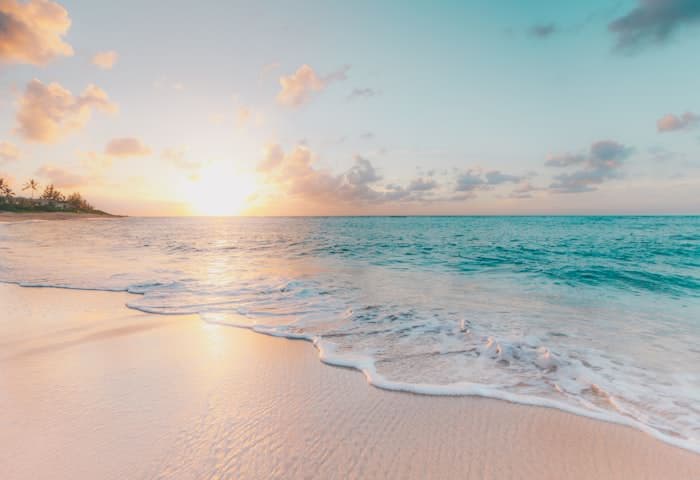
Wise
Your bank marks up every USD you spend in Cook Islands, Tokelau and Niue. Wise doesn't.
- No foreign transaction fees
- Free ATM withdrawals up to your limit
- Pay in local currency at the real rate
4.8 ★ App Store·4.8 ★ Google Play
Airalo eSIM
Your phone plan was built for home. This one was built for Cook Islands, Tokelau and Niue.
- No SIM swapping
- No data roaming charges
- Active in minutes
4.7 ★ App Store·4.6 ★ Google Play
Plan Your Trip
Getting Around Alofi
Tours, stays, transfers, and flights — curated partner options are on the way.
Tours & Activities
Skip-the-line tickets, guided tours, and day experiences — curated partner options are on the way.
Coming soonWhere to Stay
Hotels, apartments, and guesthouses across every neighbourhood — booking options are on the way.
Coming soonAirport Transfers
Private and shared rides between the airport and the city centre — partner options are on the way.
Coming soonFlights
Compare fares from hundreds of airlines to find the best route in — search options are on the way.
Coming soonTravel Guide
Frequently Asked Questions About Visiting Cook Islands, Tokelau and Niue
Entry requirements depend on your passport nationality and which island group you are visiting. Check your specific requirements on the Cook Islands, Tokelau and Niue destination page at Yoogo before you book.
The New Zealand dollar is the official currency across the Cook Islands, Niue, and Tokelau. The Cook Islands also mints its own coins, which circulate locally alongside New Zealand currency. Card acceptance is common on Rarotonga but limited on outer islands, so carry cash.
These islands are among the safest destinations in the Pacific, with very low crime and welcoming communities. The main risks are natural, including strong ocean currents, sharp reef, and cyclones during the wet season. Take normal precautions in the water and follow local advice.
On Rarotonga a clockwise and anticlockwise bus circles the island, and hire cars, scooters, and bicycles are widely available. Aitutaki, Niue, and the outer islands rely mostly on rental vehicles and small local operators. Inter-island travel is by light aircraft or, less often, by boat.
The dry season from May to October brings cooler, less humid weather and is the most popular time to travel. Whale watching around Niue and Rarotonga runs from roughly July to October. The wet season from November to April is warmer and carries a higher chance of tropical storms.
English is an official language and is widely spoken across all three island groups, so visitors rarely face a language barrier. Cook Islands Māori, Niuean, and Tokelauan are spoken alongside it, and learning a few greetings such as kia orana is appreciated.
No vaccinations are required for entry, though routine immunisations should be up to date. There is no malaria, but mosquito-borne dengue can occur, so use repellent. Rarotonga and Niue have hospitals, while outer islands have only basic clinics, so travel insurance with medical evacuation cover is sensible.
Tipping is not part of local custom and is never expected across the islands. Prices already include service, and some businesses politely discourage it. A genuine thank you is the usual way to show appreciation.
Rarotonga and the main islands have mobile coverage and 4G in populated areas, though signal thins on outer islands and remote coasts. Local SIM cards and prepaid data are available, and a travel eSIM from Airalo can be a convenient option. Wi-Fi is offered by many hotels but can be slow and metered.