Attraction in Czechia
Kutna Hora
UNESCO World Heritage
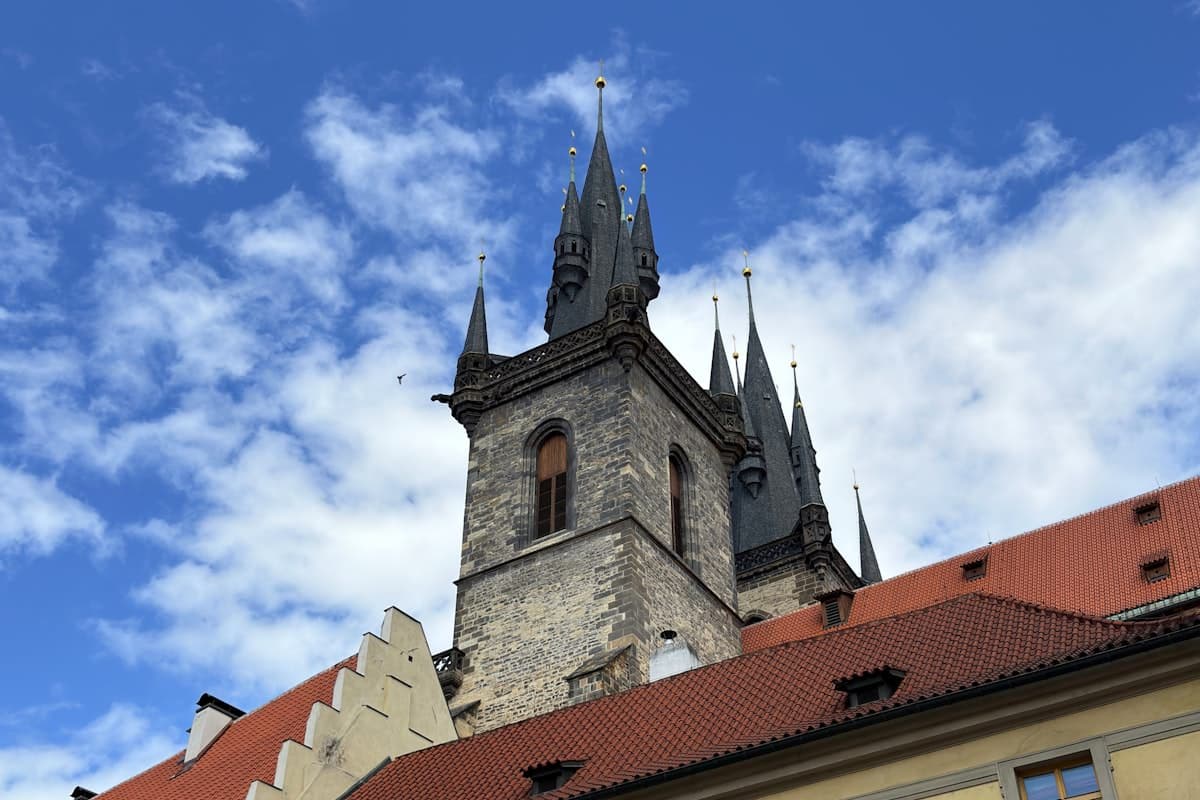
Once a wealthy silver-mining town, Kutná Hora is a UNESCO site known for its soaring St Barbara's Church and the bone-decorated Sedlec Ossuary. It makes a striking day trip from Prague.
Wise
Your bank marks up every USD you spend in Czechia. Wise doesn't.
- No foreign transaction fees
- Free ATM withdrawals up to your limit
- Pay in local currency at the real rate
4.8 ★ App Store·4.8 ★ Google Play
Airalo eSIM
Your phone plan was built for home. This one was built for Czechia.
- No SIM swapping
- No data roaming charges
- Active in minutes
4.7 ★ App Store·4.6 ★ Google Play
Travel Guide
Frequently Asked Questions About Visiting Czechia
Entry requirements vary by passport. Check the requirements for your specific passport on the Czechia page at Yoogo.
Czechia uses the Czech koruna (CZK), not the euro. Cards are widely accepted in Prague and larger cities, though some smaller establishments and rural businesses prefer cash. ATMs are plentiful. Avoid currency exchange booths near tourist sites, which typically offer poor rates; use bank ATMs instead.
Czechia is a very safe country. Violent crime is rare and Prague has a lower crime rate than most comparable European capitals. Petty theft and pickpocketing occur in Prague's Old Town, on trams, and at major tourist attractions. Taxi scams targeting tourists at the airport and train station are well-documented; use Bolt or Uber instead.
Prague has an excellent integrated transport system of metro, trams, and buses. Intercity trains and RegioJet coaches connect Prague with Brno, Ostrava, and other cities comfortably. Car hire is practical for exploring Bohemia and Moravia. The Czech rail network is affordable and extensive, with renovations ongoing.
May, June, and September are the best months to visit Prague, with pleasant temperatures and manageable crowds. July and August are warm and busy. Spring brings blooming parks and fewer tourists than summer. December is magical for Christmas markets, particularly in Prague and Brno, but cold. Winters can be bitterly cold with temperatures below -10°C.
Czech is the official language. English is widely spoken in Prague, particularly by younger people, in hotels, and in tourist areas. German and Slovak are also understood in many parts of the country. Outside Prague, English proficiency decreases; a few basic Czech phrases are appreciated.
No vaccinations are required for standard travel to Czechia. Tick-borne encephalitis vaccination is recommended for those hiking or camping in forests, particularly in southern Moravia and Bohemia. Routine immunisations should be up to date. Tap water is safe to drink throughout the country.
Tipping is customary in Czechia. In restaurants, 10% is standard for good service. Tell the server the total amount including the tip when paying rather than leaving cash on the table. Taxi drivers are typically tipped by rounding up the fare.
Czechia has excellent 4G and growing 5G coverage. The main providers are T-Mobile, O2, and Vodafone. EU roaming applies for European SIM holders. Prepaid tourist SIMs are available at airports and phone shops. Wi-Fi is available at virtually all hotels, cafes, and restaurants.