←El Salvador travel guide
San Salvador Department, El Salvador
San Salvador
A capital where colonial plazas meet volcanic mountain backdrops
CultureFood & DrinkHistory & Heritage
San Salvador is Central America's most densely populated capital, spread across a valley ringed by volcanoes, with a historic centre featuring the neoclassical National Palace and the Metropolitan Cathedral rebuilt on its colonial foundations. The city's Zona Rosa and Colonia Escalon districts offer a lively counterpoint of galleries, restaurants, and tree-lined boulevards.
Check El Salvador visa requirements →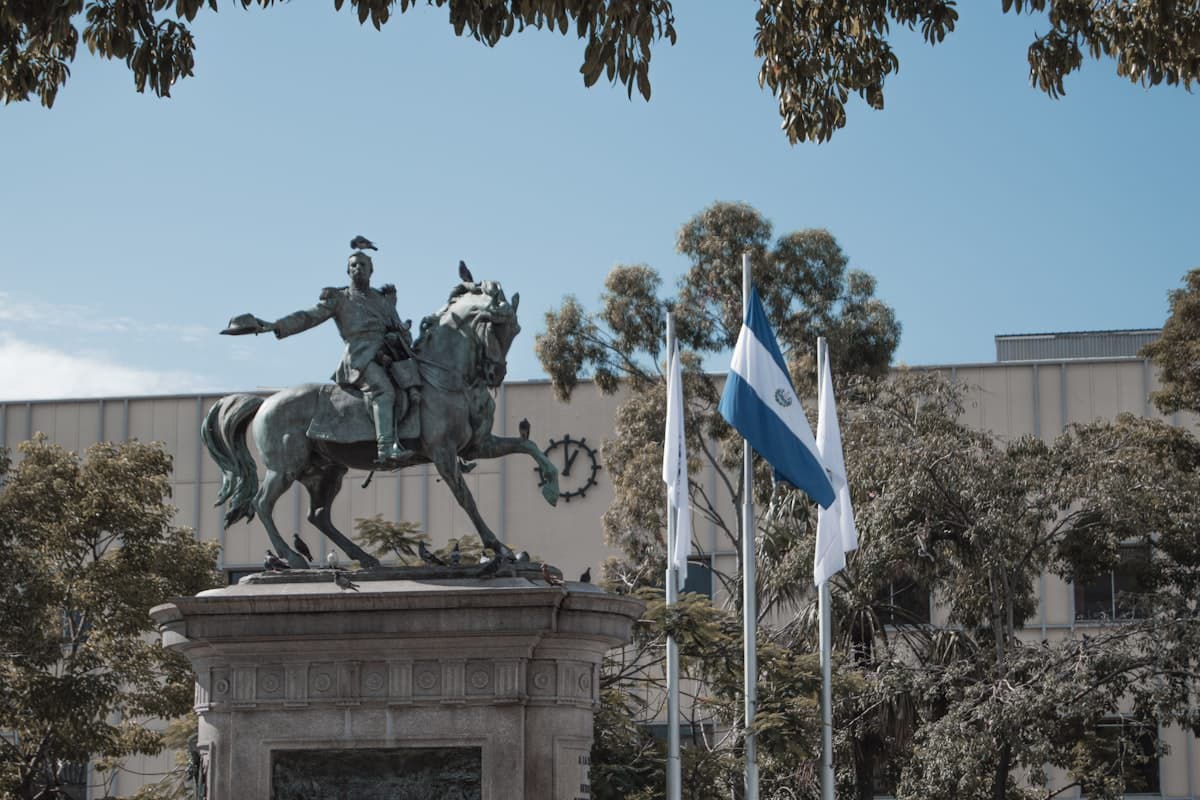
Best time to visit
Dry season (November to April)
Region
San Salvador Department
Main airport
San Salvador SAL (SAL)
Wise
Your bank marks up every USD you spend in El Salvador. Wise doesn't.
- No foreign transaction fees
- Free ATM withdrawals up to your limit
- Pay in local currency at the real rate
4.8 ★ App Store·4.8 ★ Google Play
Airalo eSIM
Your phone plan was built for home. This one was built for El Salvador.
- No SIM swapping
- No data roaming charges
- Active in minutes
4.7 ★ App Store·4.6 ★ Google Play
Plan Your Trip
Getting Around San Salvador
Tours, stays, transfers, and flights — curated partner options are on the way.
Tours & Activities
Skip-the-line tickets, guided tours, and day experiences — curated partner options are on the way.
Coming soonWhere to Stay
Hotels, apartments, and guesthouses across every neighbourhood — booking options are on the way.
Coming soonAirport Transfers
Private and shared rides between the airport and the city centre — partner options are on the way.
Coming soonFlights
Compare fares from hundreds of airlines to find the best route in — search options are on the way.
Coming soonTravel Guide
Frequently Asked Questions About Visiting El Salvador
Entry requirements vary by passport. Check the requirements for your specific passport on the El Salvador page at Yoogo.
El Salvador uses the US dollar (USD) as its official currency, which has been legal tender since 2001. Credit and debit cards are accepted at most hotels, larger restaurants, and shops in urban areas, though smaller towns and markets typically prefer cash, so it is wise to carry small-denomination bills.
El Salvador has undergone a significant reduction in violent crime since 2022 following a government crackdown on gang activity, and tourist areas and attractions are generally well-frequented. Travellers should consult their government's latest travel advisory before departure, as conditions can change, and exercise standard precautions with valuables.
Buses are the most widely used form of public transport, with colourful repurposed school buses (locally called 'chicken buses') and faster minibuses (microbuses) connecting towns across the country for fares typically under $1.50. Rental cars and app-based rideshares such as Uber are available in San Salvador and larger cities, offering more flexibility for reaching attractions in the countryside.
The dry season, from November to April, is widely considered the best time to visit, offering sunny days and comfortable temperatures ideal for hiking volcanoes, exploring colonial towns, and visiting archaeological sites. November is a particularly appealing month, as the rains have just ended, leaving landscapes lush and green while crowds remain manageable.
Spanish is the official and virtually universal language of El Salvador, spoken with a distinctive local dialect that features the use of 'vos' rather than 'tú'. In major tourist areas, hotels, and restaurants, some English is spoken, but knowing a handful of basic Spanish phrases will be warmly appreciated and make travel significantly easier in rural areas.
Most travel health authorities recommend ensuring routine vaccinations are up to date, and commonly advise vaccination against hepatitis A and typhoid for most travellers given the risk from contaminated food and water. Hepatitis B, rabies, and other vaccines may be appropriate depending on planned activities and duration of stay, so consulting a travel health clinic or GP at least four to six weeks before departure is advisable.
Many restaurants in El Salvador automatically add a 10% service charge to the bill, which is considered adequate, though leaving an additional 5–10% for exceptional service is appreciated. Tipping is not expected from taxi drivers, but tour guides and hotel housekeeping staff generally welcome a small gratuity as a meaningful supplement to their income.