Attraction in Gabon
Lopé National Park
UNESCO World Heritage
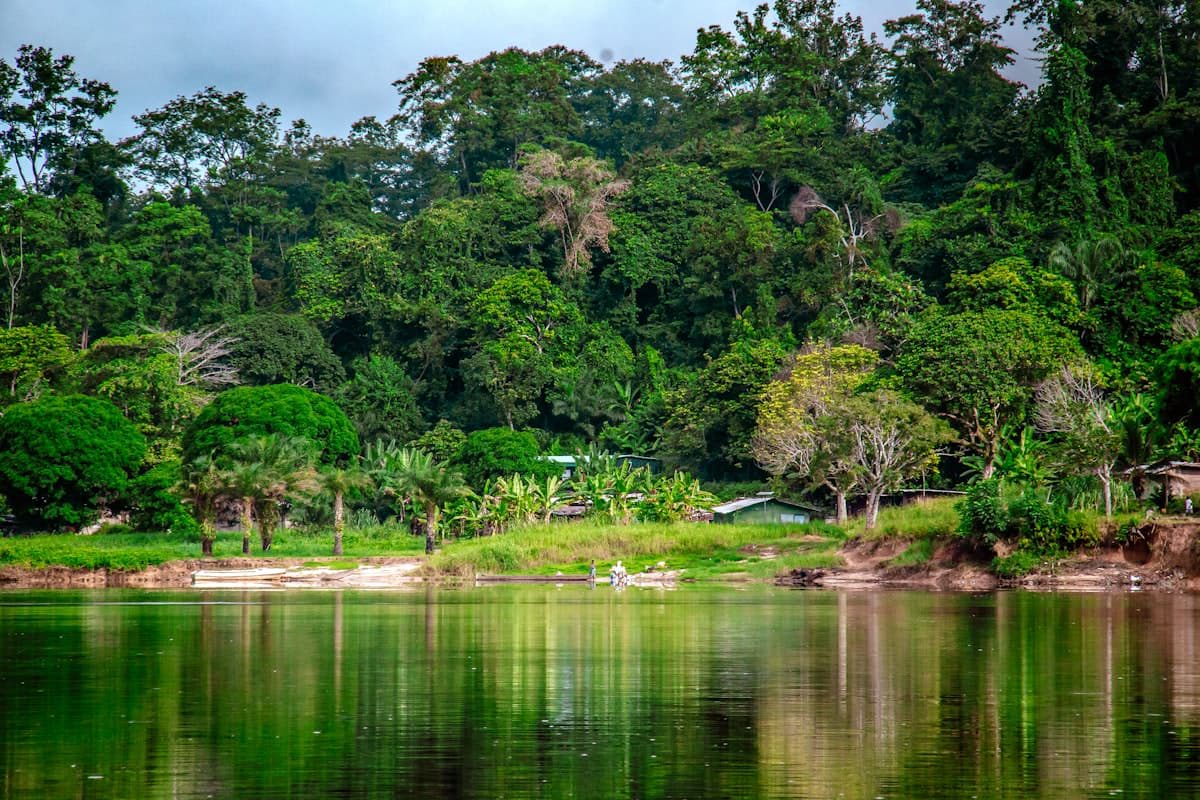
A UNESCO World Heritage Site spanning roughly 4,910 square kilometres of central Gabon, Lopé protects one of the Congo Basin's most diverse tracts of rainforest interspersed with ancient man-made savannas. The park shelters western lowland gorillas, mandrills, chimpanzees, and forest elephants, alongside archaeological evidence of human occupation stretching back some 400,000 years, including Iron Age metal-working sites. It is considered the finest place in Gabon to observe great apes and a rich birdlife of more than 400 recorded species.
Wise
Your bank marks up every USD you spend in Gabon. Wise doesn't.
- No foreign transaction fees
- Free ATM withdrawals up to your limit
- Pay in local currency at the real rate
4.8 ★ App Store·4.8 ★ Google Play
Airalo eSIM
Your phone plan was built for home. This one was built for Gabon.
- No SIM swapping
- No data roaming charges
- Active in minutes
4.7 ★ App Store·4.6 ★ Google Play
Travel Guide
Frequently Asked Questions About Visiting Gabon
Entry requirements vary by passport. Check the requirements for your specific passport on the Gabon page at Yoogo.
Gabon uses the Central African CFA franc (XAF), which is pegged to the euro. Card payments are accepted at larger hotels and some restaurants in Libreville and Port-Gentil, but cash remains essential for markets, shared taxis, smaller towns, and national park areas where electronic payments are rarely available.
Gabon is generally stable but petty theft, pickpocketing, and opportunistic robbery occur in Libreville and Port-Gentil, particularly after dark and in busy market areas. Most visitors on organised safari itineraries experience no significant issues, as guided travel through national parks keeps them away from higher-risk urban environments.
Within cities, shared taxis (colour-coded green in Libreville) and minibuses known locally as clandos are the most common options; fares are negotiated before boarding as there are no meters. For travel between cities, SOGATRA buses and shared bush taxis connect the main towns, while internal flights are the practical choice for reaching remote areas such as Loango and Ivindo national parks.
The long dry season from May to September is generally considered the best time to visit, as roads are more passable, wildlife concentrates near water sources, and mosquito populations are lower. June to August are the driest months, though skies can be overcast; a shorter dry period also occurs in December and January.
French is the official language and is spoken widely across the country in government, business, and urban daily life. English is uncommon outside of larger international hotels, so a basic knowledge of French is a practical advantage, particularly in rural areas and national parks.
A yellow fever vaccination certificate is required for all travellers aged nine months and over and must be carried during the trip. Malaria is present throughout the country and year-round antimalarial medication is strongly recommended; travellers should also consult a travel health clinic about typhoid, hepatitis A, and other routine vaccinations well before departure.
Tipping is not a fixed cultural obligation in Gabon, but it is appreciated in restaurants, hotels, and particularly by safari guides and drivers who often earn modest wages. Rounding up the bill or leaving around 10 per cent in restaurants is a reasonable gesture, while a discretionary tip for guides at the end of a wildlife excursion is warmly received.