←Hong Kong travel guide
City in Hong Kong
Kowloon
Dense markets, neon streets, and sweeping harbour panoramas
CultureFood & DrinkShopping
Kowloon sits on a peninsula directly across Victoria Harbour from Hong Kong Island, offering some of the territory's most celebrated harbour views from the Tsim Sha Tsui waterfront. Its streets range from the gleaming shopping malls of Tsim Sha Tsui to the packed market lanes of Mong Kok, where flower, goldfish, and ladies' markets operate side by side.
Check Hong Kong visa requirements →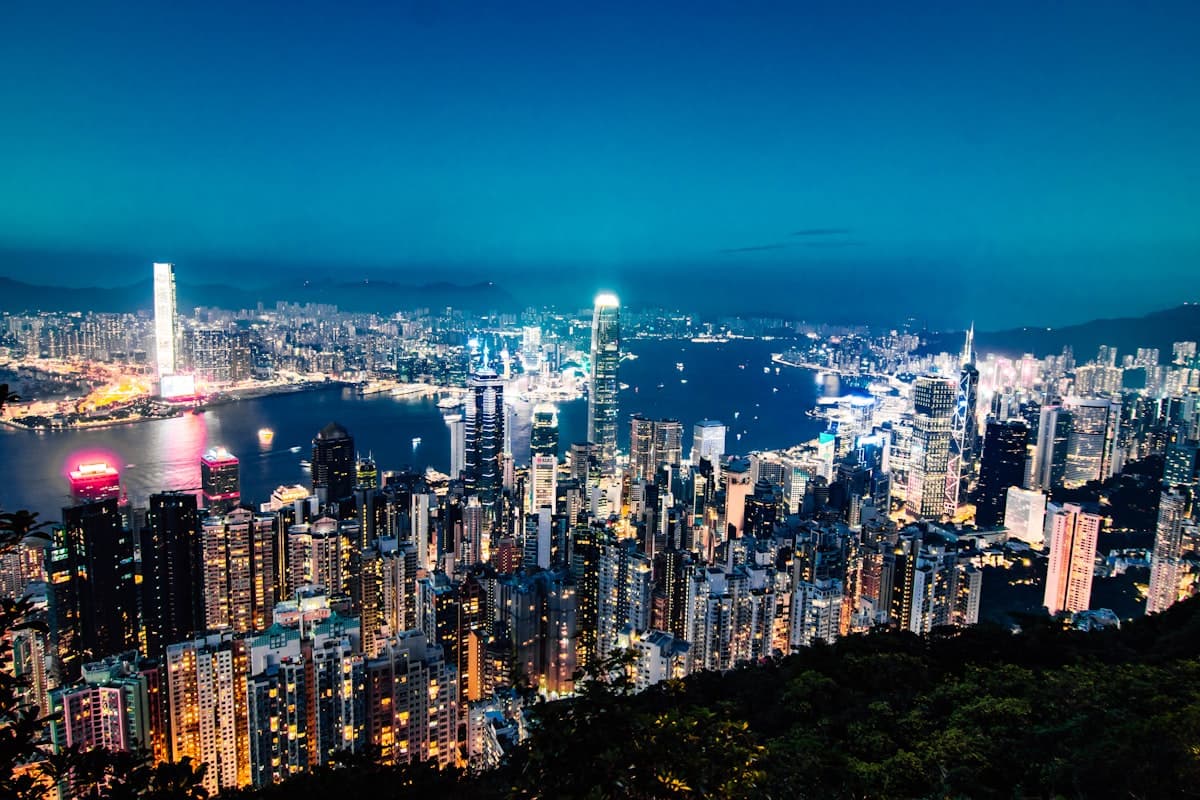
Best time to visit
October to December and March to May
Main airport
Hong Kong (HKG)
Discover
Top Things to Do in Kowloon
Culture
Wong Tai Sin Temple
Wong Tai Sin Temple is a working Taoist temple in Kowloon built in its present form in 1921, dedicated to the deity Wong Tai Sin (Great Immortal Wong) and drawing thousands of worshippers and visitors throughout the year. Its layout encompasses Taoist, Buddhist, and Confucian shrines set around a main hall with a gilded roof, red pillars, and ornate decorative screens. The surrounding arcade of fortune-tellers is a longstanding fixture of the temple precinct.
City
Mong Kok Markets
Mong Kok is one of the most densely populated urban districts in the world and the location of several specialist street markets that operate daily in close proximity to one another. The Flower Market Road, Goldfish Market, Bird Garden, and Ladies' Market on Tung Choi Street each occupy distinct blocks, collectively offering an immersive picture of everyday commercial life in Hong Kong. The neighbourhood sits on the Kowloon peninsula and is easily reached by MTR.
Wise
Your bank marks up every USD you spend in Hong Kong. Wise doesn't.
- No foreign transaction fees
- Free ATM withdrawals up to your limit
- Pay in local currency at the real rate
4.8 ★ App Store·4.8 ★ Google Play
Airalo eSIM
Your phone plan was built for home. This one was built for Hong Kong.
- No SIM swapping
- No data roaming charges
- Active in minutes
4.7 ★ App Store·4.6 ★ Google Play
Plan Your Trip
Getting Around Kowloon
Tours, stays, transfers, and flights — curated partner options are on the way.
Tours & Activities
Skip-the-line tickets, guided tours, and day experiences — curated partner options are on the way.
Coming soonWhere to Stay
Hotels, apartments, and guesthouses across every neighbourhood — booking options are on the way.
Coming soonAirport Transfers
Private and shared rides between the airport and the city centre — partner options are on the way.
Coming soonFlights
Compare fares from hundreds of airlines to find the best route in — search options are on the way.
Coming soonTravel Guide
Frequently Asked Questions About Visiting Hong Kong
Entry requirements vary by passport. Check the requirements for your specific passport on the Hong Kong page at Yoogo.
The official currency is the Hong Kong Dollar (HKD), which is pegged to the US Dollar at approximately HK$7.80 to US$1. Credit and debit cards are widely accepted at hotels, restaurants, and shops, and the Octopus stored-value card is used for public transport and at many retailers and convenience stores. Cash remains useful for smaller vendors and traditional markets.
Hong Kong is generally considered one of the safer major cities in Asia, with a low rate of violent crime against visitors. Petty theft such as pickpocketing can occur in crowded areas including markets, the MTR, and popular tourist sites, so standard precautions apply. The city's emergency number for police, ambulance, and fire services is 999.
Hong Kong has an extensive and efficient public transport network anchored by the MTR metro system, which connects Hong Kong Island, Kowloon, the New Territories, and the airport. Buses, trams (on Hong Kong Island), the Star Ferry across Victoria Harbour, and light rail in the New Territories supplement the MTR. The Octopus card works across all of these modes and can be purchased and topped up at MTR stations.
October and November are widely regarded as the most pleasant months, offering clear skies, low humidity, and temperatures between 22 and 27 degrees Celsius. Spring (March to April) is also comfortable, with mild temperatures suitable for walking. The summer months of June to September bring high heat, humidity, and the possibility of typhoons, though hotel prices are lower during this period.
Cantonese is the primary spoken language of the vast majority of residents, with English holding official language status alongside Chinese. English is widely understood in hotels, restaurants, shops, and on public transport signage, making it practical for most travel situations. A few words of Cantonese such as 'm goi' (thank you for a service) are appreciated by locals.
Hong Kong has no mandatory vaccination requirements for most travellers, though proof of yellow fever vaccination is required if arriving from a country where the disease is endemic. Routine vaccinations should be up to date, and hepatitis A and typhoid are commonly recommended by travel health clinics. It is advisable to consult a healthcare provider or travel health service at least four to six weeks before departure.