←Japan travel guide
Niigata Prefecture, Japan
Sado
An island city in Niigata known for its historic gold mines.
CultureHistory & HeritageNature & OutdoorsScenic Views
Sado is an island city in the Sea of Japan, off the coast of Niigata Prefecture. The entire island forms a single municipality, with the port of Ryotsu as its main gateway. It is renowned for the Sado Island Gold Mines, a UNESCO World Heritage Site, as well as taiko drumming and crested ibis conservation.
Check Japan visa requirements →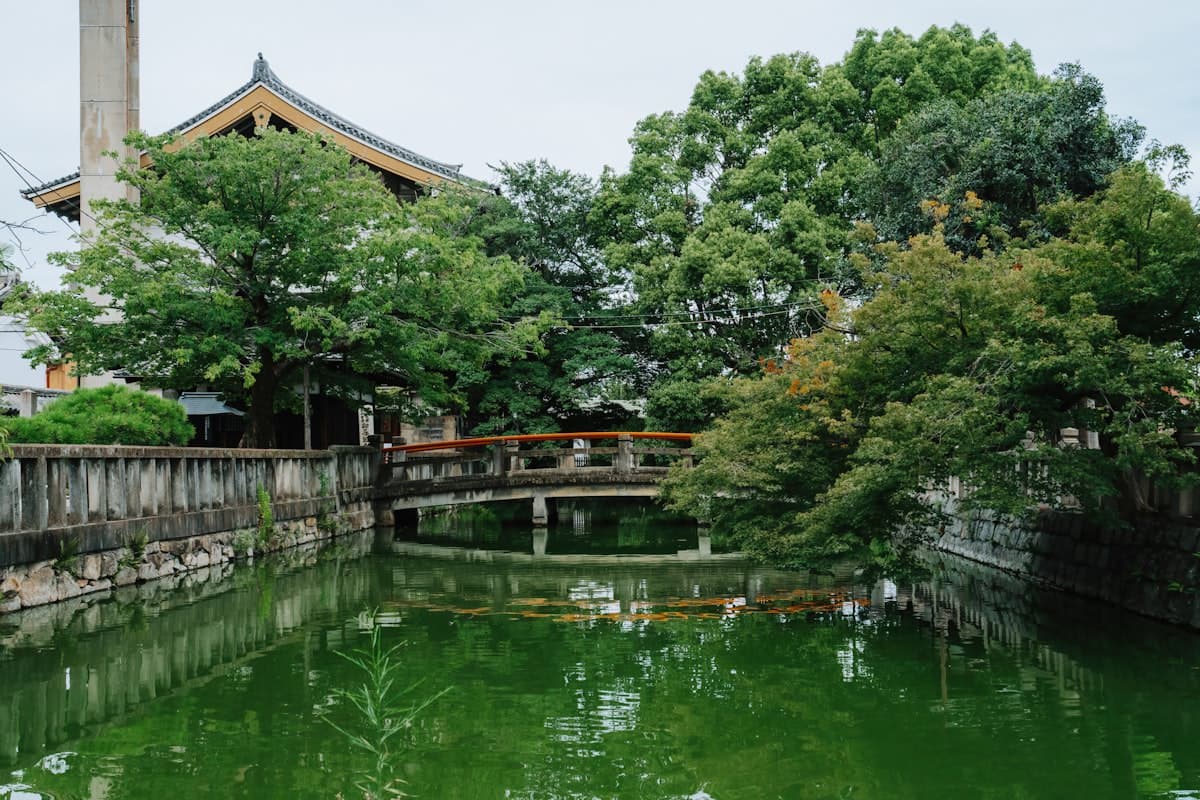
Best time to visit
April to October
Region
Niigata Prefecture
Wise
Your bank marks up every USD you spend in Japan. Wise doesn't.
- No foreign transaction fees
- Free ATM withdrawals up to your limit
- Pay in local currency at the real rate
4.8 ★ App Store·4.8 ★ Google Play
Airalo eSIM
Your phone plan was built for home. This one was built for Japan.
- No SIM swapping
- No data roaming charges
- Active in minutes
4.7 ★ App Store·4.6 ★ Google Play
Plan Your Trip
Getting Around Sado
Tours, stays, transfers, and flights — curated partner options are on the way.
Tours & Activities
Skip-the-line tickets, guided tours, and day experiences — curated partner options are on the way.
Coming soonWhere to Stay
Hotels, apartments, and guesthouses across every neighbourhood — booking options are on the way.
Coming soonAirport Transfers
Private and shared rides between the airport and the city centre — partner options are on the way.
Coming soonFlights
Compare fares from hundreds of airlines to find the best route in — search options are on the way.
Coming soonTravel Guide
Frequently Asked Questions About Visiting Japan
Entry requirements depend on your passport. Check your specific requirements on the Japan page at Yoogo.
Japan uses the Japanese yen (JPY). Cash remains important, especially in smaller shops, rural areas, and traditional restaurants, though major cities increasingly accept credit cards and IC cards like Suica and Pasmo for transport and convenience stores.
Japan has one of the lowest crime rates in the world and is considered extremely safe for visitors. Petty theft is rare, though travellers should still exercise normal caution in crowded areas and be mindful of natural hazards such as earthquakes and typhoons.
Japan's rail network is world-class, with the Shinkansen bullet trains connecting major cities and dense metro systems in Tokyo and Osaka. The Japan Rail Pass can offer savings for longer trips, and IC cards make local transport seamless across buses, trains, and subways.
Spring (March–May) brings cherry blossoms and mild weather, while autumn (September–November) offers vivid foliage and comfortable temperatures. Summers are hot and humid with a rainy season in June, and winters are ideal for skiing in Hokkaido and the Japan Alps.
Japanese is the sole official language. English signage is common in major cities, transport hubs, and tourist sites, though conversational English is less widespread, so a translation app and a few basic Japanese phrases are helpful.
No special vaccinations are required for most travellers, though routine immunisations should be up to date. Tap water is safe to drink, and medical care is of a high standard, though travel insurance is strongly recommended as costs can be substantial.
Tipping is not customary in Japan and can sometimes cause confusion or be politely refused. Service charges are occasionally included at higher-end hotels and restaurants, but outstanding service is considered standard rather than something to reward separately.
Japan has excellent 4G and 5G coverage nationwide. Travel eSIMs, pocket Wi-Fi rentals, and prepaid SIM cards are all widely available, and free Wi-Fi is common at stations, convenience stores, and cafes in urban areas.
Remove your shoes when entering homes, temples, and many traditional accommodations, and bow lightly when greeting. Speak quietly on public transport, avoid eating while walking, and never stick chopsticks upright in rice, as it resembles a funeral rite.