←All destinations
Travel Guide
Visiting Kiribati
Select your passport to instantly check if you need a visa.
Discover
Top Attractions in Kiribati
The most iconic and unmissable experiences this country has to offer.
Betio WWII Sites
The islet of Betio, at the western end of South Tarawa, was the scene of the Battle of Tarawa in November 1943, one of the fiercest engagements of the Pacific War. Massive Japanese coastal defence guns, concrete bunkers, and a pair of war memorials remain along the shoreline, forming an open-air historical site that visitors can walk through today. The guns and earthworks offer a tangible connection to the 76-hour battle that shaped Allied amphibious strategy for the rest of the war.
Tarawa Lagoon
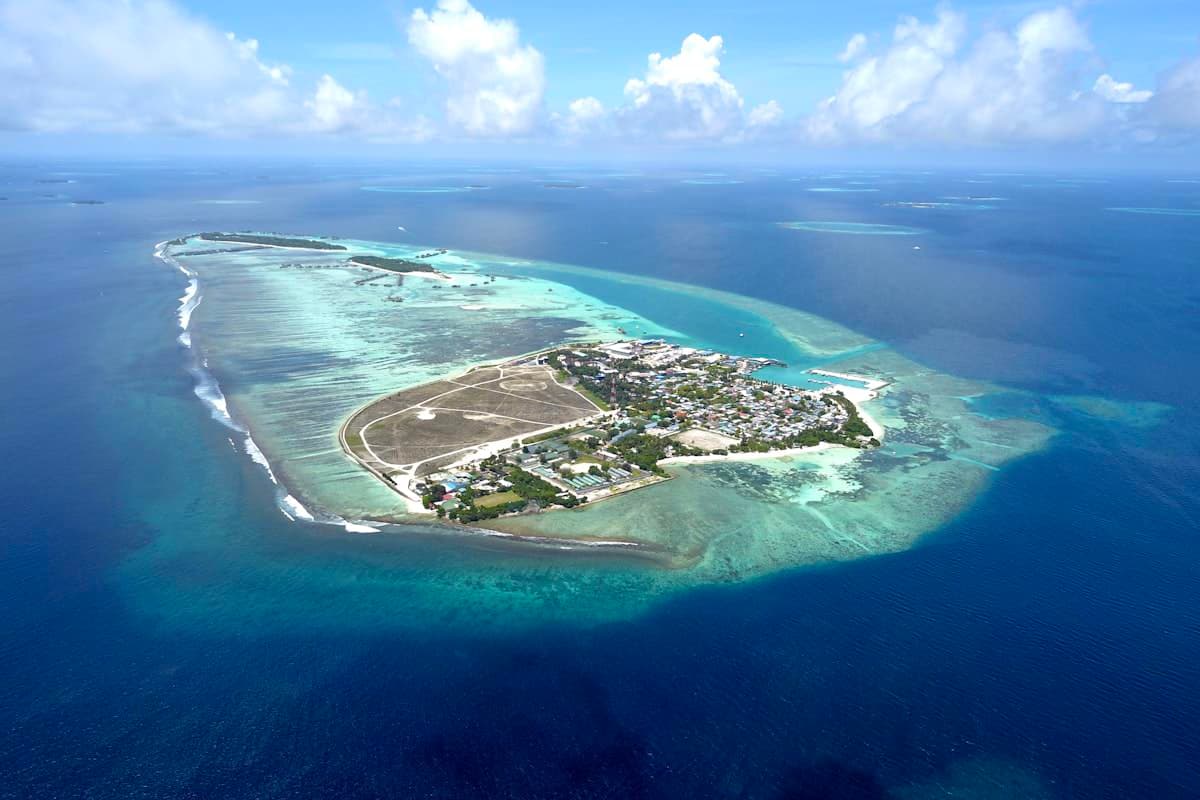
Tarawa Lagoon covers roughly 500 square kilometres of sheltered water enclosed by the atoll's reef, ranging from vivid turquoise shallows to depths of 25 metres. The lagoon provides snorkelling, swimming, and small-boat excursions, with Biketawa islet within the lagoon offering a tranquil spot with thatched shelters and clear water.
Kiritimati Bonefish Flats
Kiritimati's expansive lagoon is regarded as one of the world's premier destinations for saltwater fly-fishing, with bonefish and giant trevally patrolling extensive coral flats in clear emerald-green water. Anglers wade shallow lagoon edges or fish from skiffs, targeting species that reach remarkable size in the atoll's undisturbed environment. Offshore waters also hold tuna, wahoo, and marlin for those seeking deeper-water action.
Wise
Your bank marks up every USD you spend in Kiribati. Wise doesn't.
- No foreign transaction fees
- Free ATM withdrawals up to your limit
- Pay in local currency at the real rate
4.8 ★ App Store·4.8 ★ Google Play
Airalo eSIM
Your phone plan was built for home. This one was built for Kiribati.
- No SIM swapping
- No data roaming charges
- Active in minutes
4.7 ★ App Store·4.6 ★ Google Play
Where to Go
Top Cities to Visit in Kiribati
Health & Safety
Health & Emergency Info
Before You Travel
Before you travel check that: your destination can provide the healthcare you may need you have appropriate travel insurance for local treatment or unexpected medical evacuation This is particularly important if you have a health condition or are pregnant. Emergency medical number Call 994 and ask for an ambulance. Contact your insurance company quickly if you’re referred to a medical facility for treatment. Vaccine recommendations and health risks At least 8 weeks before your trip: check the latest vaccine recommendations for Kiribati see where to get vaccines and whether you have to pay on t
Full health advice (FCDO) →Emergency Numbers
Police999
Ambulance999
Fire999
Health information sourced from UK FCDO. Always consult a travel health professional before departure.
Practical Info
Travel Essentials
Travel Guide
Frequently Asked Questions About Visiting Kiribati
Entry requirements vary by passport. Check the requirements for your specific passport on the Kiribati page at Yoogo.
Kiribati uses the Australian dollar alongside its own coinage, which is pegged to the Australian dollar at a one-to-one rate. Banking facilities are very limited outside South Tarawa, so carrying sufficient cash in Australian dollars is strongly advisable before departing for outer islands.
Kiribati is generally considered low-risk for crime, and visitors to South Tarawa and Kiritimati typically report a welcoming environment. Travellers should be mindful that medical facilities are basic and emergency evacuation from outer atolls can be slow, so comprehensive travel insurance including medical evacuation cover is important.
On South Tarawa a main road links all the causeway-connected islets, served by minibuses and taxis; motorcycle hire is also available. Travel between Kiribati's atolls requires inter-island ferries or light aircraft, with Fiji Airways providing connections to Kiritimati; schedules on outer routes can be infrequent and subject to change.
The dry season from April to October brings lower humidity, calmer seas, and reduced rainfall, making it the most comfortable period for travel and water activities. The wetter season from November to March can bring heavy rain and the occasional tropical cyclone, though Kiribati is less prone to cyclones than some of its Pacific neighbours.
Gilbertese (also called I-Kiribati or Kiribatese) is the primary language spoken by virtually all residents. English is an official language and is understood in government offices and larger hotels in South Tarawa, but is rarely used outside the capital.
Recommended vaccinations typically include hepatitis A and B, typhoid, polio, and routine immunisations; consulting a travel health clinic well before departure is advisable. Mosquito-borne illnesses including dengue fever are present, so insect repellent and protective clothing are recommended, and medical facilities beyond South Tarawa's Tungaru Central Hospital are very limited.
Tipping is not a customary practice in Kiribati, and there is no expectation to leave gratuities in restaurants or for general services. If you are invited to a formal feast in a maneaba, it is considered appropriate to offer a modest gift or token contribution to the host as a gesture of appreciation.
Vodafone Kiribati is the sole mobile network operator, offering 4G LTE coverage on South Tarawa and parts of Kiritimati, with more limited connectivity across outer atolls. Dedicated Kiribati eSIM plans from providers such as Airalo are scarce, so purchasing a local Vodafone Kiribati SIM on arrival in South Tarawa or Kiritimati is generally the most practical option; a passport is required for registration.