←Laos travel guide
Vientiane Province, Laos
Vang Vieng
Karst peaks and turquoise rivers in central Laos
AdventureNature & OutdoorsScenic Views
Vang Vieng sits in a valley carved by the Nam Song River and framed by dramatic limestone karst mountains rising directly from rice paddies. The surrounding landscape draws visitors for caving, kayaking, and hiking through some of the most scenic terrain in the country.
Check Laos visa requirements →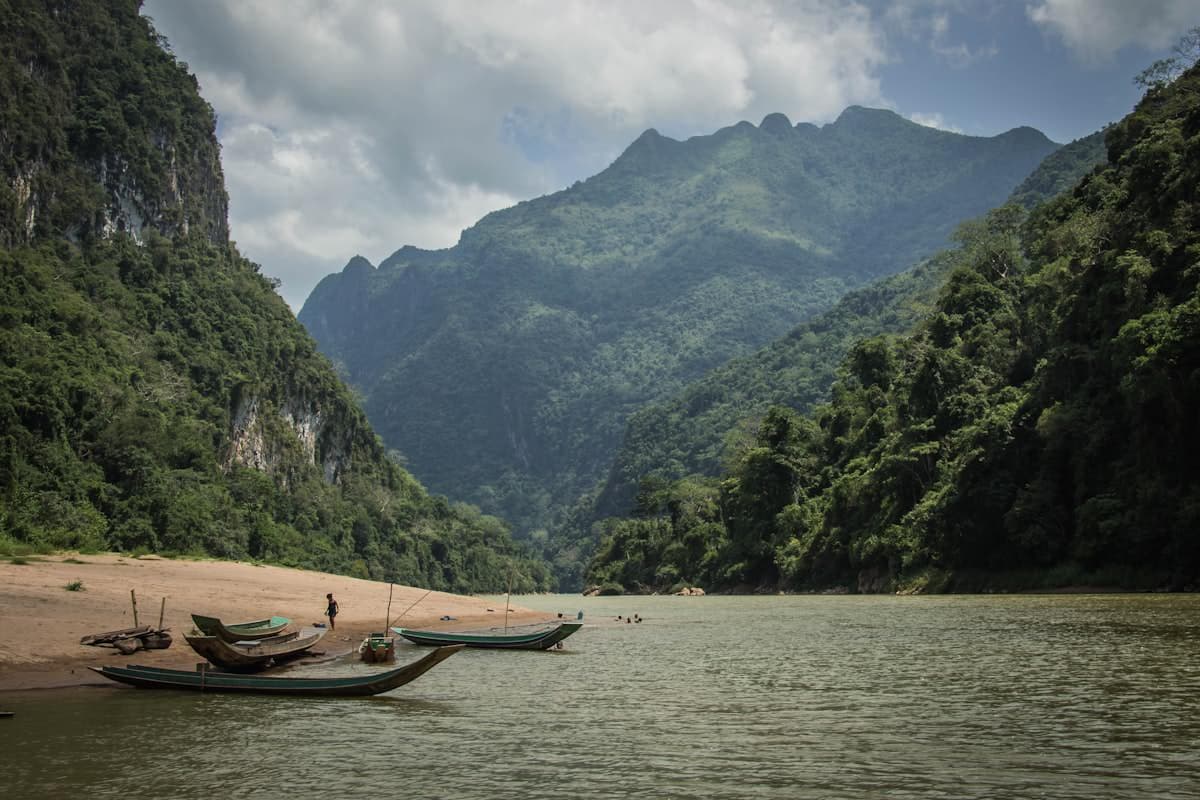
Best time to visit
November to February (dry season)
Region
Vientiane Province
Wise
Your bank marks up every USD you spend in Laos. Wise doesn't.
- No foreign transaction fees
- Free ATM withdrawals up to your limit
- Pay in local currency at the real rate
4.8 ★ App Store·4.8 ★ Google Play
Airalo eSIM
Your phone plan was built for home. This one was built for Laos.
- No SIM swapping
- No data roaming charges
- Active in minutes
4.7 ★ App Store·4.6 ★ Google Play
Plan Your Trip
Getting Around Vang Vieng
Tours, stays, transfers, and flights — curated partner options are on the way.
Tours & Activities
Skip-the-line tickets, guided tours, and day experiences — curated partner options are on the way.
Coming soonWhere to Stay
Hotels, apartments, and guesthouses across every neighbourhood — booking options are on the way.
Coming soonAirport Transfers
Private and shared rides between the airport and the city centre — partner options are on the way.
Coming soonFlights
Compare fares from hundreds of airlines to find the best route in — search options are on the way.
Coming soonTravel Guide
Frequently Asked Questions About Visiting Laos
Entry requirements vary by passport. Check the requirements for your specific passport on the Laos page at Yoogo.
The official currency is the Lao Kip (LAK), though US dollars and Thai baht are widely accepted in tourist areas. Card payments are available at larger hotels and restaurants in Vientiane and Luang Prabang, but cash remains essential outside the main cities, so it is wise to carry a supply of kip for markets, transport, and smaller establishments.
Laos is widely regarded as one of the safest countries in Southeast Asia, with low rates of violent crime against tourists and a generally relaxed atmosphere in the main tourist centres. Unexploded ordnance from past conflicts remains a hazard in some rural and remote areas, so staying on marked paths and using accredited guides outside designated sites is important.
The most common modes of local transport are tuk-tuks and songthaews (shared pickup trucks with benches), which are used for short journeys within and between towns. Long-distance travel is typically by bus, minivan, or the scenic two-day slow boat along the Mekong River between Huay Xai and Luang Prabang, which remains one of the most popular overland routes in the country.
The cool dry season from November to February is generally considered the ideal time to visit, with comfortable temperatures and low humidity across most of the country. The hot dry season runs from March to April, while the monsoon season from May to October brings heavy rain that can make rural roads difficult but turns the landscape a vivid green.
The official language is Lao, a tonal language written in a script derived from ancient Khmer. English is spoken by many people working in tourism in Vientiane, Luang Prabang, and Vang Vieng, though French also has a presence as a legacy of the colonial era, and in rural areas communication in any language other than Lao can be limited.
No vaccinations are legally required for most visitors, but hepatitis A and typhoid are routinely recommended, and Japanese encephalitis may be advised for extended rural travel during the rainy season. Malaria risk exists in some rural areas outside the main towns, so consulting a travel health clinic at least four to six weeks before departure is advisable to discuss antimalarial options and any other precautions relevant to your itinerary.
Tipping is not a strong local tradition and is rarely expected in everyday settings such as markets or street food stalls. In tourist-facing restaurants in Vientiane and Luang Prabang, rounding up the bill or leaving around 10 per cent is appreciated, and a small daily tip for tour guides (around $2–4 USD per day) is a recognised courtesy.