←Lesotho travel guide
Qacha's Nek, Lesotho
Qacha's Nek
Southeastern town near Sehlabathebe National Park
AdventureNature & OutdoorsScenic Views
Qacha's Nek is a town in southeastern Lesotho near the South African border. It is the nearest town to Sehlabathebe National Park, a remote highland wilderness of sandstone formations, waterfalls and alpine grassland in the Maloti Mountains.
Check Lesotho visa requirements →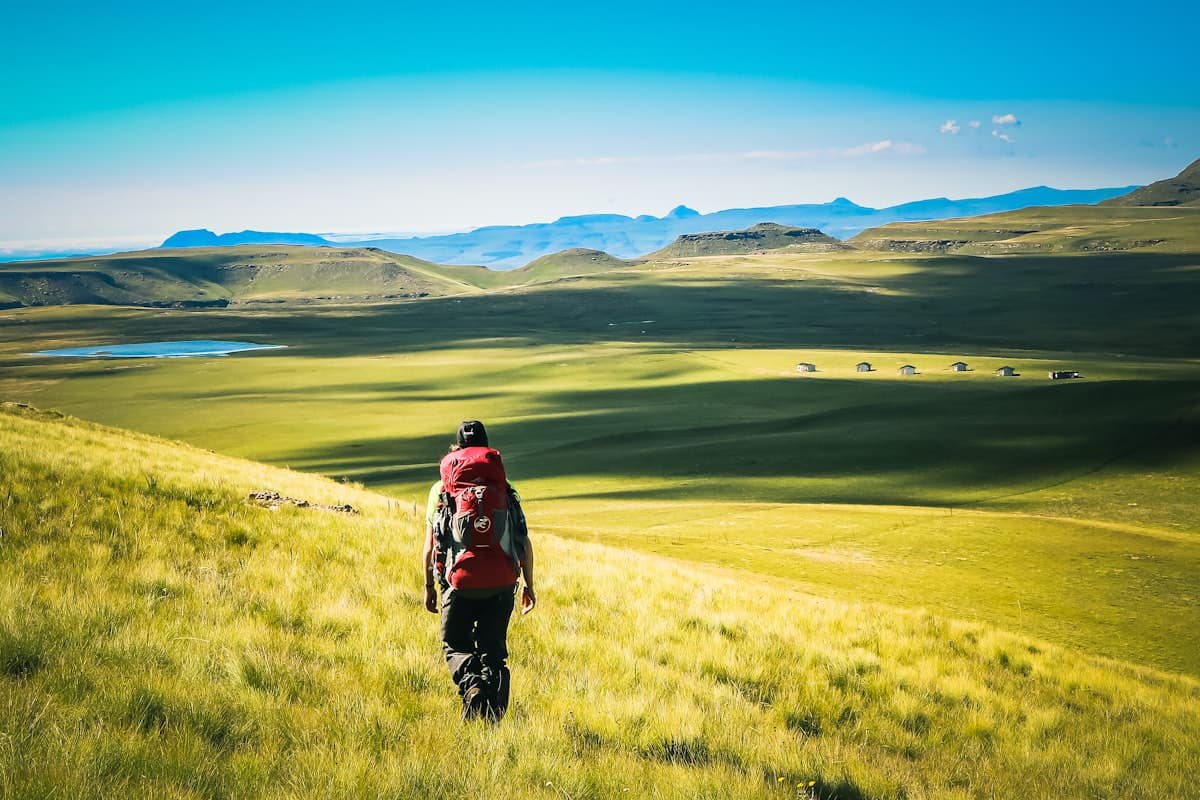
Best time to visit
March to May (autumn) and September to November
Region
Qacha's Nek
Wise
Your bank marks up every USD you spend in Lesotho. Wise doesn't.
- No foreign transaction fees
- Free ATM withdrawals up to your limit
- Pay in local currency at the real rate
4.8 ★ App Store·4.8 ★ Google Play
Airalo eSIM
Your phone plan was built for home. This one was built for Lesotho.
- No SIM swapping
- No data roaming charges
- Active in minutes
4.7 ★ App Store·4.6 ★ Google Play
Plan Your Trip
Getting Around Qacha's Nek
Tours, stays, transfers, and flights — curated partner options are on the way.
Tours & Activities
Skip-the-line tickets, guided tours, and day experiences — curated partner options are on the way.
Coming soonWhere to Stay
Hotels, apartments, and guesthouses across every neighbourhood — booking options are on the way.
Coming soonAirport Transfers
Private and shared rides between the airport and the city centre — partner options are on the way.
Coming soonFlights
Compare fares from hundreds of airlines to find the best route in — search options are on the way.
Coming soonTravel Guide
Frequently Asked Questions About Visiting Lesotho
Entry requirements vary by passport. Check the requirements for your specific passport on the Lesotho page at Yoogo.
Lesotho's official currency is the loti (ISO code LSL, plural maloti), which is pegged at parity to the South African rand. The rand is also widely accepted throughout the country. Card acceptance is limited outside Maseru, so carrying sufficient cash is advisable when travelling into the highlands.
Lesotho's highland areas are generally peaceful, and most visitors to national parks and rural regions encounter no difficulties. Urban areas, particularly Maseru at night, carry higher risks of petty theft and opportunistic crime, and driving after dark across the country is inadvisable due to livestock on roads and the absence of street lighting.
The main road between Maseru and the border crossings is tarred, but much of the country's interior is accessible only by 4x4 vehicle or on foot and horseback, with pony trekking a traditional and practical means of reaching remote villages. Minibus taxis connect the main towns, though services become infrequent in the highlands. Domestic light aircraft charters are available for the most remote destinations.
The summer months of November to March bring the warmest temperatures, lush green highland scenery, and the highest river flows that make waterfalls such as Maletsunyane most spectacular, though afternoon thunderstorms are common. Winter from June to August is cold and occasionally snowy, particularly at altitude, which makes it the prime season for skiing at Afriski. The shoulder months of April-May and September-October offer clear skies and mild conditions ideal for hiking and pony trekking.
Sesotho and English are the two official languages, and both are used in government, education, and public signage. Sesotho is the everyday language of the vast majority of the population, and learning a few basic phrases is appreciated by local communities.
Routine vaccinations including hepatitis A, typhoid, and tetanus are generally recommended before visiting Lesotho. Altitude sickness can affect travellers ascending quickly to the country's high-plateau areas above 2,500 metres, so acclimatisation time is worth planning into any itinerary. Consult a travel health clinic or your GP well before departure for personalised advice.
Tipping is appreciated but not mandatory, and there is no fixed cultural expectation around it. In restaurants a tip of around 10% for good service is a reasonable gesture, and guides, drivers, and lodge staff who go beyond the expected are commonly tipped at the traveller's discretion.