←Liechtenstein travel guide
City in Liechtenstein
Triesenberg
A Walser hillside village with centuries of Alpine heritage
CultureNature & OutdoorsScenic Views
Triesenberg clings to a terraced hillside above Vaduz and was settled by the Germanic Walser people in the 13th century, a heritage still visible in the dark-timbered chalets and the local dialect. The Walsermuseum documents this distinct cultural tradition and makes the village a rewarding stop alongside the panoramic Rhine Valley views.
Check Liechtenstein visa requirements →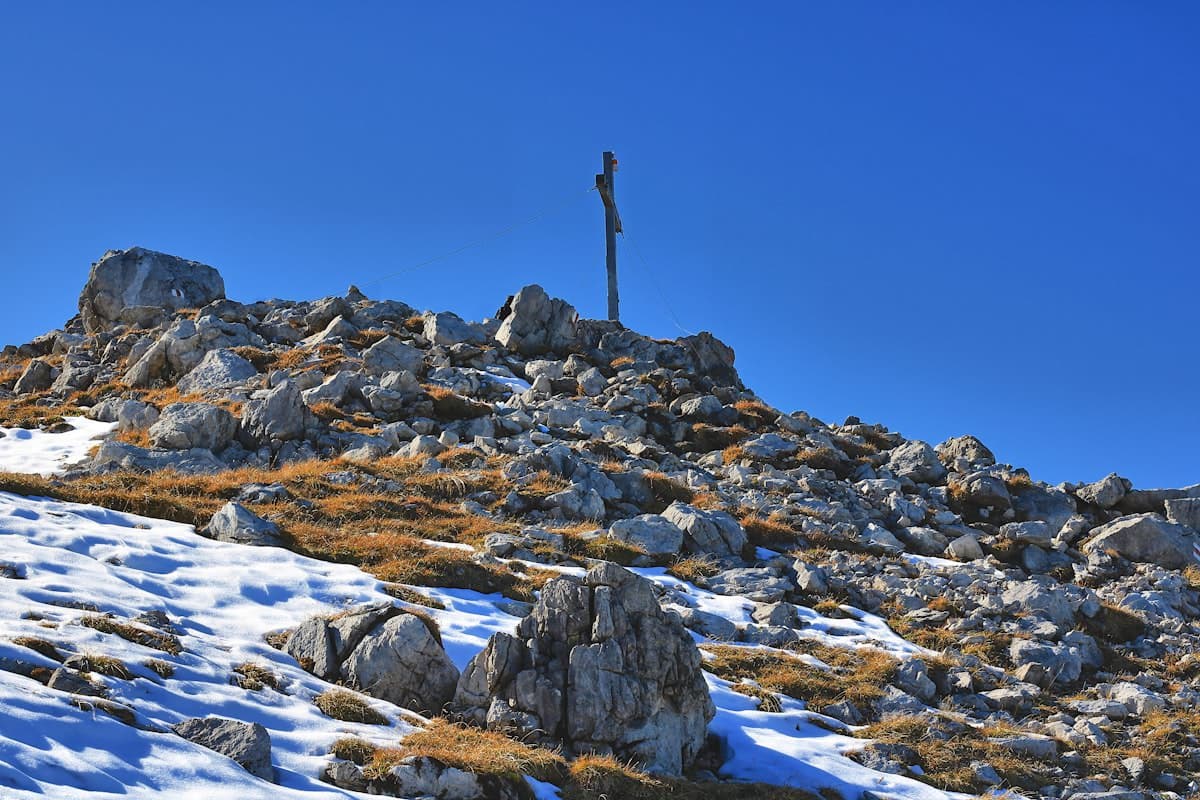
Best time to visit
May to September
Main airport
Zurich ZRH (ZRH)
Wise
Your bank marks up every USD you spend in Liechtenstein. Wise doesn't.
- No foreign transaction fees
- Free ATM withdrawals up to your limit
- Pay in local currency at the real rate
4.8 ★ App Store·4.8 ★ Google Play
Airalo eSIM
Your phone plan was built for home. This one was built for Liechtenstein.
- No SIM swapping
- No data roaming charges
- Active in minutes
4.7 ★ App Store·4.6 ★ Google Play
Plan Your Trip
Getting Around Triesenberg
Tours, stays, transfers, and flights — curated partner options are on the way.
Tours & Activities
Skip-the-line tickets, guided tours, and day experiences — curated partner options are on the way.
Coming soonWhere to Stay
Hotels, apartments, and guesthouses across every neighbourhood — booking options are on the way.
Coming soonAirport Transfers
Private and shared rides between the airport and the city centre — partner options are on the way.
Coming soonFlights
Compare fares from hundreds of airlines to find the best route in — search options are on the way.
Coming soonTravel Guide
Frequently Asked Questions About Visiting Liechtenstein
Entry requirements vary by passport. Check the requirements for your specific passport on the Liechtenstein page at Yoogo.
Liechtenstein uses the Swiss franc (CHF), the same currency as neighbouring Switzerland. Credit and debit cards are widely accepted in hotels, restaurants, and shops, though it is wise to carry some cash for smaller purchases at markets or rural cafes.
Liechtenstein is generally considered one of the safest countries in Europe, with very low rates of crime. Standard precautions regarding personal belongings apply as they would anywhere, but the principality presents few significant safety concerns for visitors.
Liechtenstein has no railway of its own, but buses operated by LIECTAXi and the Liechtenstein Bus network provide cheap, reliable connections between all major towns and villages. Switzerland's train network serves nearby stations at Sargans and Buchs, from which buses cross the border into Vaduz, making the country straightforward to reach and navigate without a car.
May through September suits hiking, cycling, and sightseeing in the Rhine Valley, with July and August offering the warmest Alpine conditions. December through March is the season for skiing and snowshoeing at Malbun, and the shoulder months of April and October tend to be quieter with moderate temperatures.
German is the official language, and the local Alemannic dialect is widely spoken in everyday life. English is understood in hotels, tourist offices, and many restaurants in Vaduz, so visitors will generally find communication straightforward.
No special vaccinations are required to enter Liechtenstein, and the country's tap water is safe to drink. It is always advisable to ensure routine vaccinations such as tetanus are up to date before any international trip.
Service charges are typically included in bills at restaurants, so tipping is not obligatory. Rounding up the bill or leaving around 5–10 per cent for particularly good service is a common and appreciated gesture.
Mobile coverage in Liechtenstein is generally good, operating on Swiss and Austrian networks. EU roaming agreements mean European SIM cards typically work without extra charges, and travellers from outside Europe can use an Airalo eSIM to access data at local rates without needing a physical SIM card.
Liechtensteiners take pride in their distinct national identity and appreciate not being assumed to be Swiss, Austrian, or German. Sundays are quiet, with most shops closed and streets relatively empty, so it is worth planning provisions and activities accordingly.