Attraction in Martinique
Les Salines
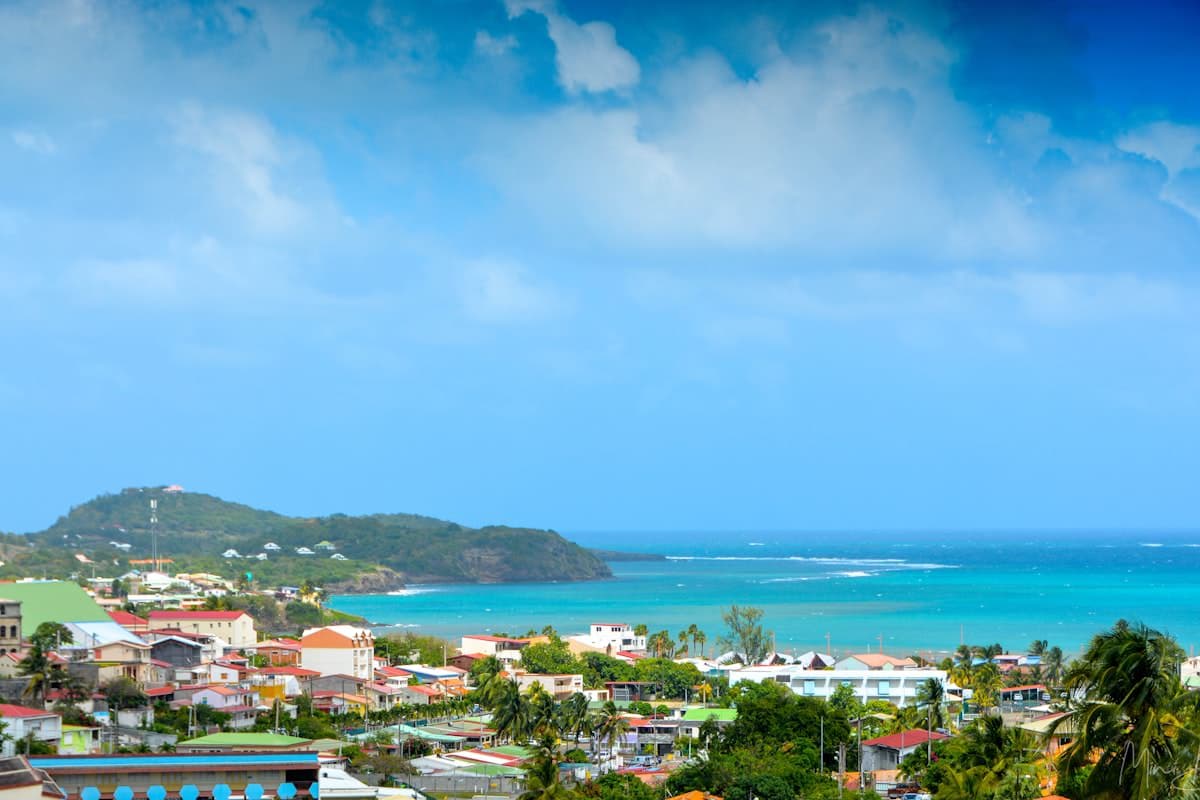
Grande Anse des Salines at the island's southern tip is Martinique's most beloved beach, a long arc of white sand fringed by coconut palms. Calm, clear water makes it ideal for a full day by the sea.
Wise
Your bank marks up every USD you spend in Martinique. Wise doesn't.
- No foreign transaction fees
- Free ATM withdrawals up to your limit
- Pay in local currency at the real rate
4.8 ★ App Store·4.8 ★ Google Play
Airalo eSIM
Your phone plan was built for home. This one was built for Martinique.
- No SIM swapping
- No data roaming charges
- Active in minutes
4.7 ★ App Store·4.6 ★ Google Play
Travel Guide
Frequently Asked Questions About Visiting Martinique
Martinique is an overseas region of France and part of the European Union, though it sits outside the Schengen area. Entry requirements vary by passport nationality, so check your specific requirements on the Martinique destination page at Yoogo before you book.
Martinique uses the euro (EUR). Cards are accepted in most hotels, restaurants, and shops, and ATMs are easy to find in the towns, though carrying a little cash is handy for markets and smaller establishments.
Martinique is generally safe and most visits pass without incident. Use common sense against petty theft in busy spots, secure valuables on the beach, and take care with strong currents on exposed Atlantic coasts.
Hiring a car gives the most freedom to reach the beaches, rainforest, and northern volcano at your own pace. Collective taxis and buses serve the main routes, and a regular ferry links Fort-de-France with Les Trois-Îlets across the bay.
The dry season from December to April offers the most settled weather and is the busiest stretch for visitors. The period from June to November is hotter and wetter and falls within the Atlantic hurricane season, so check forecasts if you travel then.
French is the official language, used across government, schools, and business. Martinican Creole is widely spoken day to day, and learning a few French phrases is helpful, as English is less common outside the main tourist areas.
No special vaccinations are required for most travellers, but it is wise to keep routine jabs up to date. Mosquito-borne illnesses such as dengue can occur, so bring insect repellent and review the latest health guidance before departure.
Restaurant bills usually include a service charge in line with French custom, so tipping is not required. Rounding up or leaving a small extra amount for good service is welcomed but never expected.
Martinique has reliable mobile coverage across populated areas and uses European networks as a French region. A travel eSIM from a provider such as Airalo lets you stay connected without roaming fees, and you can activate it before you arrive.
Martinique mixes French and Creole traditions, and greeting people with bonjour when you enter a shop or restaurant is good manners. Dress is casual but beachwear belongs on the beach, and meals tend to be unhurried and sociable.