Attraction in Moldova
Orheiul Vechi Archaeological Complex
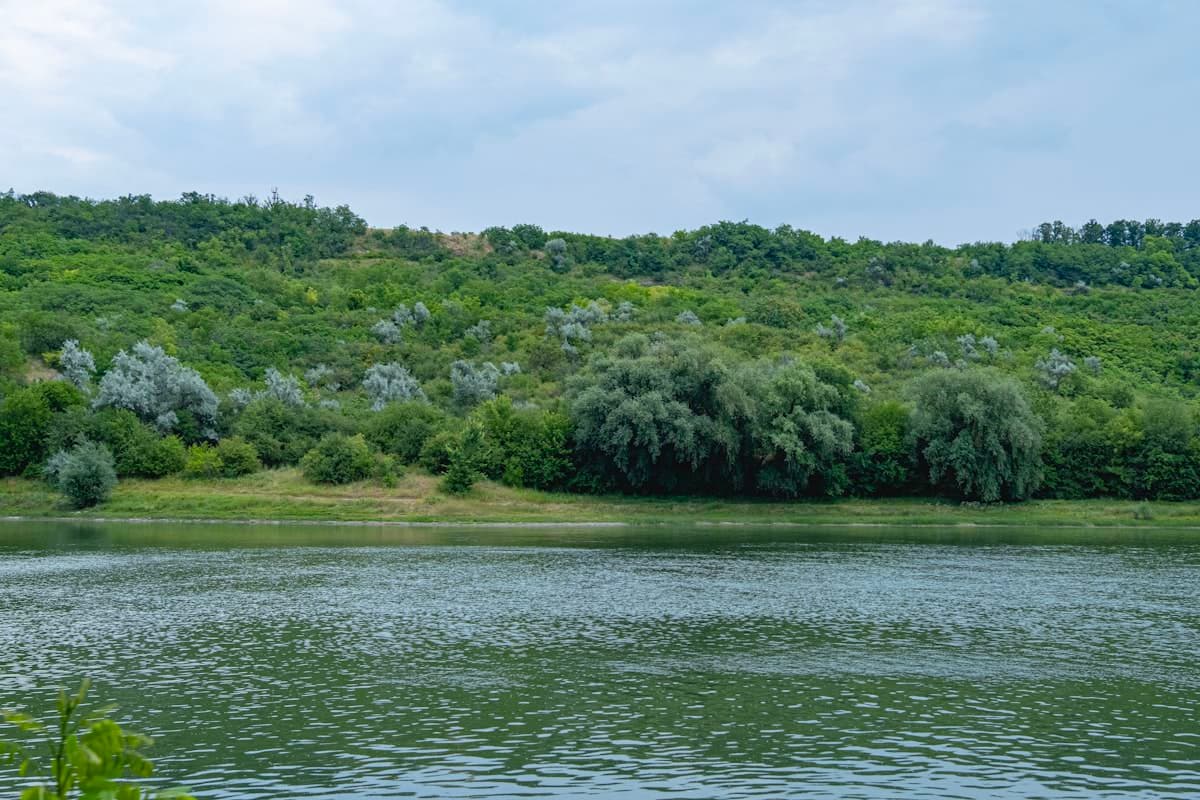
Set within a dramatic limestone bend of the Raut River some 50 kilometres north of Chisinau, this open-air complex spans more than two millennia of settlement, from Dacian earthworks through Mongol-era fortifications to a 13th-century Orthodox cave monastery carved directly into the cliffs. Monks still live and serve in the cave church, and a short trail from the village of Butuceni leads visitors up to sweeping views over the river gorge below. The site is on UNESCO's tentative World Heritage List.
Wise
Your bank marks up every USD you spend in Moldova. Wise doesn't.
- No foreign transaction fees
- Free ATM withdrawals up to your limit
- Pay in local currency at the real rate
4.8 ★ App Store·4.8 ★ Google Play
Airalo eSIM
Your phone plan was built for home. This one was built for Moldova.
- No SIM swapping
- No data roaming charges
- Active in minutes
4.7 ★ App Store·4.6 ★ Google Play
Travel Guide
Frequently Asked Questions About Visiting Moldova
Entry requirements vary by passport. Check the requirements for your specific passport on the Moldova page at Yoogo.
Moldova uses the Moldovan leu (MDL), divided into 100 bani. Cards are accepted at hotels, larger restaurants, and supermarkets in Chisinau, but cash remains essential in smaller towns, rural areas, and markets, so it is wise to carry some leu when travelling outside the capital.
Moldova is generally considered a safe destination, with violent crime against tourists being uncommon. Petty theft and scams do occur in busy urban areas, so the usual precautions apply: keep valuables out of sight, use bank ATMs rather than street machines, and stay alert in crowded places.
Chisinau is connected to most towns by a network of affordable buses and minibuses (marshrutkas), which are the most popular way to travel. Taxis and ride-hailing apps are widely used within cities, while car hire provides the most flexibility for reaching rural sites such as Orheiul Vechi or the northern monasteries.
Spring (April to May) and early autumn (September to October) offer the most pleasant conditions, with mild temperatures and the countryside at its most attractive. The first weekend of October is particularly popular for the National Wine Festival in Chisinau, one of the largest wine events in Eastern Europe.
Romanian is the official language, and Russian remains widely spoken, particularly in cities and among older generations. English is understood in hotels, tourist sites, and restaurants in Chisinau, but is less common outside the capital, so a few basic phrases in Romanian or Russian are appreciated.
Travellers should be up to date with routine vaccinations, and hepatitis A is commonly recommended given local hygiene conditions in some areas. Hepatitis B, tetanus, and tick-borne encephalitis may also be advised depending on activities planned, so it is best to consult a travel health clinic or your GP at least four to six weeks before departure.
Tipping is customary in restaurants and for taxi drivers, with 5 to 10 per cent of the bill being the standard practice in Chisinau. Service staff in hotels appreciate small gratuities, though tipping is less expected in rural areas or at informal eateries.
eSIMs for Moldova are available through providers such as Airalo, offering data-only plans that activate before you travel and work on arrival at major airports. Alternatively, local physical SIM cards from operators including Orange Moldova and Moldtelecom are inexpensive and widely available, providing solid 4G coverage across most of the country.