Attraction in Namibia
Sossusvlei
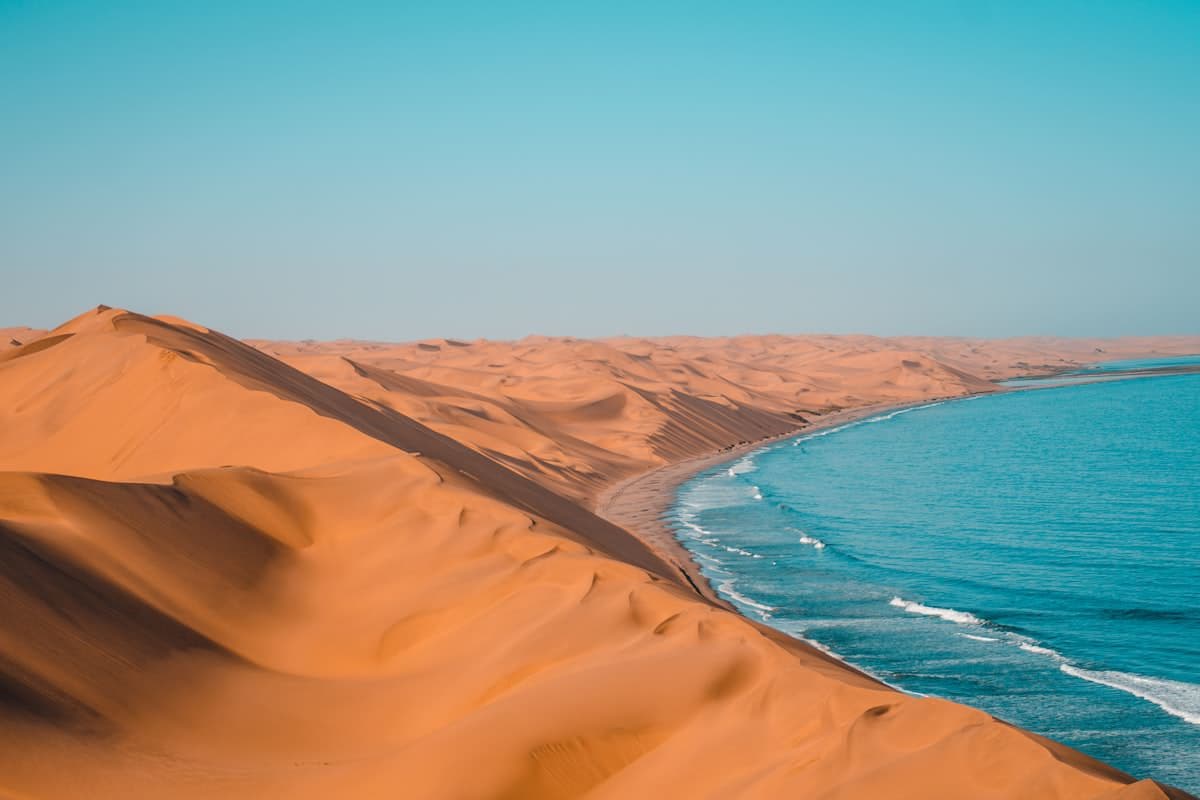
Sossusvlei is a salt and clay pan deep within the Namib-Naukluft National Park, ringed by some of the world's tallest sand dunes, their iron-rich sands glowing orange and crimson against a pale sky. The adjacent clay pan known as Deadvlei holds the skeletal silhouettes of camel thorn trees that died centuries ago when the river shifted course, creating one of southern Africa's most photographed landscapes. Visitors typically arrive before dawn to watch the dunes ignite at sunrise from the summit of Dune 45 or the towering Big Daddy.
Wise
Your bank marks up every USD you spend in Namibia. Wise doesn't.
- No foreign transaction fees
- Free ATM withdrawals up to your limit
- Pay in local currency at the real rate
4.8 ★ App Store·4.8 ★ Google Play
Airalo eSIM
Your phone plan was built for home. This one was built for Namibia.
- No SIM swapping
- No data roaming charges
- Active in minutes
4.7 ★ App Store·4.6 ★ Google Play
Travel Guide
Frequently Asked Questions About Visiting Namibia
Entry requirements vary by passport. Check the requirements for your specific passport on the Namibia page at Yoogo.
Namibia uses the Namibian dollar (NAD), which is pegged at parity to the South African rand; rand are also accepted throughout the country. Cards are widely accepted in Windhoek, Swakopmund, and larger lodges, but cash is essential in rural areas and smaller towns.
Namibia is considered one of the more stable and peaceful countries in sub-Saharan Africa, with a relatively low rate of violent crime against tourists. Petty theft can occur in urban centres, so standard precautions around valuables apply, particularly in Windhoek.
Self-driving is by far the most practical and popular way to explore Namibia, as public transport between towns is extremely limited. A well-maintained network of tarred and gravel roads connects the main attractions, though a 4x4 vehicle is recommended for more remote parks and the Skeleton Coast; domestic flights offer a faster option for covering long distances.
The dry season from May to October is generally regarded as the best time to visit, with cooler temperatures, clear skies, and excellent wildlife viewing as animals gather around waterholes. The summer wet season from November to April brings lush greenery, lower accommodation rates, and the spectacle of flamingos on the Etosha Pan, though some roads become impassable.
English is the sole official language and is widely understood in hotels, lodges, and tourism businesses across the country. Oshiwambo is the most widely spoken first language, while Afrikaans, German, Herero, and a range of other indigenous languages are also heard, particularly in rural areas.
No vaccinations are compulsory for entry unless you are arriving from a yellow fever endemic country, in which case proof of yellow fever vaccination is required. Hepatitis A, typhoid, and tetanus jabs are widely recommended, and antimalarial medication is advisable for travel to the northern regions, including the Caprivi Strip and the Ovambo area, particularly between November and April.
Tipping is customary but voluntary, and a tip of around 10 per cent is the norm in restaurants where service charge is not already included. Safari guides and lodge staff typically receive gratuities of N$100–200 per day from each guest, as these often form a meaningful part of their income.
eSIMs are available for Namibia through international providers such as Airalo, offering data plans that work on local networks including MTC. Coverage is reliable in Windhoek, Swakopmund, and other towns, but signal drops away significantly in remote parks and along the Skeleton Coast, where connectivity should not be relied upon.