←Nauru travel guide
Yaren District, Nauru
Yaren
The island's de facto capital, where politics meets the Pacific
CultureHistory & Heritage
Yaren is Nauru's largest district and functions as the de facto seat of government, housing Parliament House, the Nauru International Airport, and the national ministries. Visitors find a compact but historically layered community where Nauruan civic life, wartime remnants, and local markets exist in close proximity.
Check Nauru visa requirements →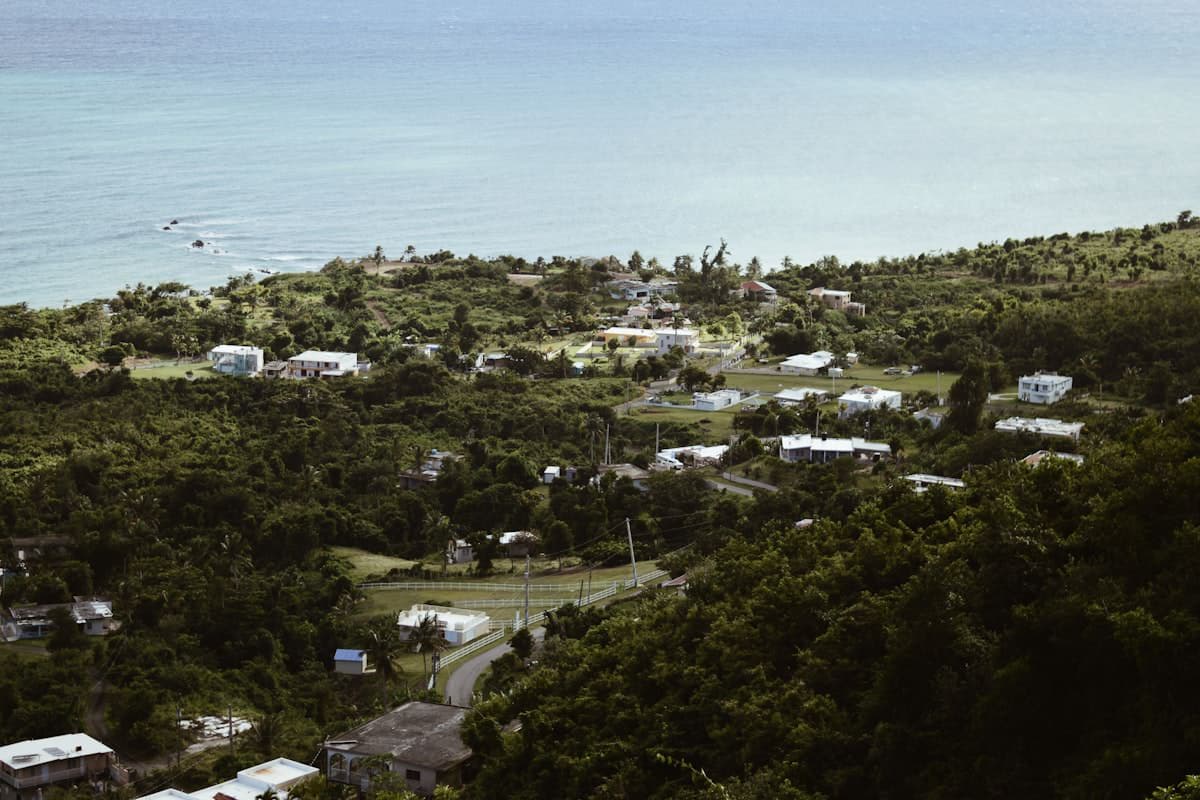
Best time to visit
Year-round (drier February to October)
Region
Yaren District
Main airport
Nauru INU (INU)
Beyond the City
Day Trips from Yaren
History
Command Ridge
Command Ridge stands at 71 metres above sea level and is the highest point on Nauru, offering one of the few places on earth where a single vantage point encompasses an entire country. The ridge served as a Japanese strategic communications post during World War II, and the remains of bunkers, gun emplacements, and radio equipment are still visible among the vegetation. A short walk from the roadside car park reaches the summit, making it accessible for most visitors.
Nature
Moqua Caves
The Moqua Caves are a network of limestone caverns beneath Nauru's phosphate plateau, featuring ancient rock formations and leading down to Moqua Well, an underground freshwater lake. The well served as a critical water source for Nauruans during the Japanese occupation in World War II. Local guides lead visitors through the caverns and provide context on both the geological formation and the site's wartime significance.
Wise
Your bank marks up every USD you spend in Nauru. Wise doesn't.
- No foreign transaction fees
- Free ATM withdrawals up to your limit
- Pay in local currency at the real rate
4.8 ★ App Store·4.8 ★ Google Play
Airalo eSIM
Your phone plan was built for home. This one was built for Nauru.
- No SIM swapping
- No data roaming charges
- Active in minutes
4.7 ★ App Store·4.6 ★ Google Play
Plan Your Trip
Getting Around Yaren
Tours, stays, transfers, and flights — curated partner options are on the way.
Tours & Activities
Skip-the-line tickets, guided tours, and day experiences — curated partner options are on the way.
Coming soonWhere to Stay
Hotels, apartments, and guesthouses across every neighbourhood — booking options are on the way.
Coming soonAirport Transfers
Private and shared rides between the airport and the city centre — partner options are on the way.
Coming soonFlights
Compare fares from hundreds of airlines to find the best route in — search options are on the way.
Coming soonTravel Guide
Frequently Asked Questions About Visiting Nauru
Entry requirements vary by passport. Check the requirements for your specific passport on the Nauru page at Yoogo.
Nauru uses the Australian dollar (AUD) for all transactions. Card acceptance is extremely limited and there are no ATMs on the island, so travellers should bring sufficient Australian dollars in cash before arriving.
Nauru has a very low crime rate and is generally considered a safe destination where normal precautions suffice. The main risks are environmental rather than social, including strong ocean currents at beaches, sharp coral, and the absence of formal lifeguard services.
Nauru is a small island approximately 21 square kilometres in area, and the main sealed road runs around the perimeter and can be driven in under an hour. Taxis and hire cars are available, and many visitors walk or cycle given the compact size of the island.
The dry season from May to November, particularly June through September, offers the most comfortable conditions with lower humidity and reduced rainfall. The wet season from December to April brings heavy rainfall, sometimes exceeding 300 mm per month, which can limit outdoor activities.
Nauruan is the official language and is spoken by the vast majority of the population. English is widely understood and used for government, commerce, and most tourist interactions, so English-speaking visitors will encounter few communication barriers.
The CDC recommends that travellers be up to date on routine vaccinations and consider additional vaccines for hepatitis A, hepatitis B, and typhoid fever before visiting Nauru. Tap water is not safe to drink, so bottled water should be used throughout the visit.
Tipping is not a common practice in Nauru and is not expected at restaurants or for services. A sincere expression of thanks is the customary way to acknowledge good service, and locals may graciously decline a monetary tip if offered.
Digicel is the sole consumer mobile operator on the island and provides 4G coverage across most of Nauru's coastal areas. Travellers can purchase a local Digicel SIM card on arrival or set up an eSIM through providers such as Airalo before departure, ensuring connectivity from the moment they land.
Modesty in dress is appreciated, particularly away from the beach, and visitors should cover shoulders and knees in villages and public areas. Food sharing is central to Nauruan culture, and accepting food offered by a host is considered polite. Christianity plays a significant role in daily life, and respectful behaviour around churches and community gatherings reflects well on visitors.