←New Caledonia travel guide
City in New Caledonia
Mont-Dore
Forested ridges and hidden waterfalls just south of the capital
Spreading across the slopes of its namesake massif on the edge of Nouméa, Mont-Dore rewards walkers with summit trails that open onto the lagoon and the Great South. You can spend a morning climbing through pristine light to the ridge, then cool off at the Yahoué falls before heading back to the coast.
Check New Caledonia visa requirements →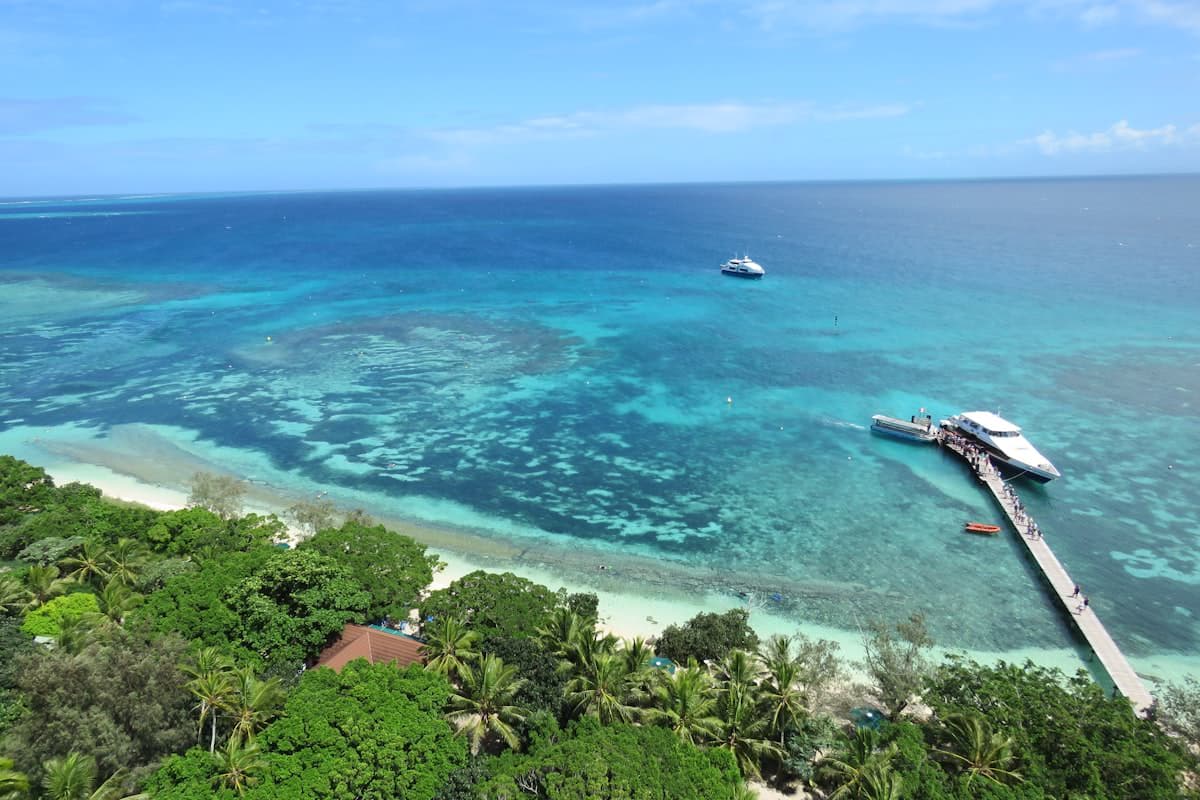
Wise
Your bank marks up every USD you spend in New Caledonia. Wise doesn't.
- No foreign transaction fees
- Free ATM withdrawals up to your limit
- Pay in local currency at the real rate
4.8 ★ App Store·4.8 ★ Google Play
Airalo eSIM
Your phone plan was built for home. This one was built for New Caledonia.
- No SIM swapping
- No data roaming charges
- Active in minutes
4.7 ★ App Store·4.6 ★ Google Play
Plan Your Trip
Getting Around Mont-Dore
Tours, stays, transfers, and flights — curated partner options are on the way.
Tours & Activities
Skip-the-line tickets, guided tours, and day experiences — curated partner options are on the way.
Coming soonWhere to Stay
Hotels, apartments, and guesthouses across every neighbourhood — booking options are on the way.
Coming soonAirport Transfers
Private and shared rides between the airport and the city centre — partner options are on the way.
Coming soonFlights
Compare fares from hundreds of airlines to find the best route in — search options are on the way.
Coming soonTravel Guide
Frequently Asked Questions About Visiting New Caledonia
Entry requirements vary by passport nationality. Check your specific requirements on the New Caledonia destination page at Yoogo before you book.
The local currency is the CFP franc, with the code XPF, which is also used across French Polynesia and Wallis and Futuna. Cards are widely accepted in Nouméa and larger towns, though it is wise to carry some cash for smaller shops, markets, and the outer islands.
New Caledonia is generally a safe destination, and the usual sensible precautions are enough in most places. Keep an eye on local news during your visit, as occasional political demonstrations can affect roads and services, and take normal care with valuables in busy areas.
Hiring a car is the most flexible way to explore Grande Terre, and driving is on the right with French road rules. Domestic flights and ferries connect Nouméa with the Isle of Pines and the Loyalty Islands, while buses serve the capital and the main towns.
The cooler, drier months from September to November and into the southern winter are popular for comfortable temperatures and clear lagoon conditions. The wetter, warmer season runs from roughly December to March and can bring tropical downpours and the chance of cyclones.
French is the official language and is used in shops, hotels, and government services across the territory. Numerous Kanak languages are also spoken, and you will find some English in the main tourist areas, though learning a few French phrases is always appreciated.
There are no unusual mandatory vaccinations for most travellers, but it is sensible to be up to date on routine immunisations and to consult a travel health professional well before departure. Tap water is generally safe in Nouméa, and you should pack sun protection and insect repellent for time spent outdoors.
Tipping is not part of local custom and service charges are usually included in the bill, so there is no obligation to add extra. If you receive especially good service you may round up or leave a small amount, and it will be welcomed rather than expected.
Mobile coverage is reliable in Nouméa and the main towns, with patchier service in remote bush areas and on parts of the outer islands. Check roaming charges with your provider before you travel, as local prepaid SIM cards from the territory's operator can be a more economical option for longer stays.