Attraction in Nigeria
Lekki Conservation Centre
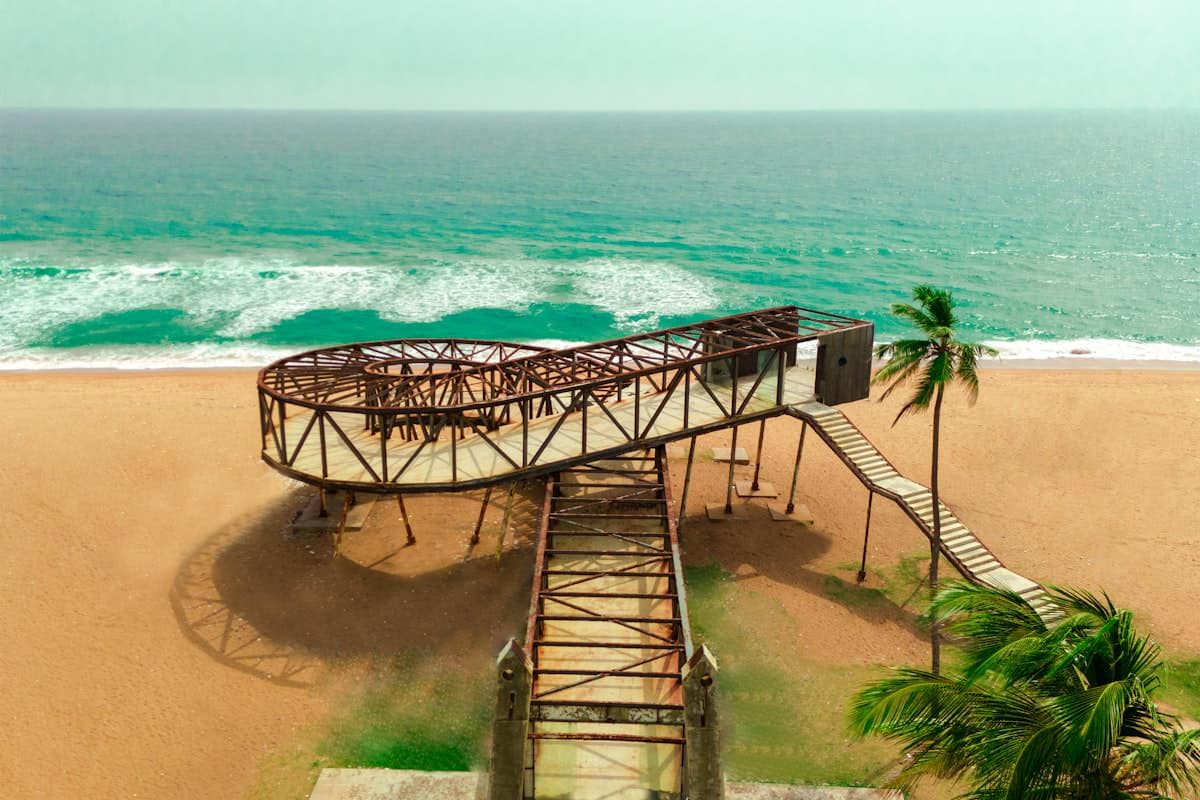
Established in 1990 by the Nigerian Conservation Foundation, this 78-hectare wetland reserve in Lagos provides a remarkable pocket of wilderness within Africa's largest city. Its standout feature is a 401-metre canopy walkway, the longest of its kind in Africa, which lifts visitors above the forest floor for views of monkeys, crocodiles, and rare birds. The reserve also includes a 21-metre treehouse lookout, swamp observation stations, and koi ponds.
Wise
Your bank marks up every USD you spend in Nigeria. Wise doesn't.
- No foreign transaction fees
- Free ATM withdrawals up to your limit
- Pay in local currency at the real rate
4.8 ★ App Store·4.8 ★ Google Play
Airalo eSIM
Your phone plan was built for home. This one was built for Nigeria.
- No SIM swapping
- No data roaming charges
- Active in minutes
4.7 ★ App Store·4.6 ★ Google Play
Travel Guide
Frequently Asked Questions About Visiting Nigeria
Entry requirements vary by passport. Check the requirements for your specific passport on the Nigeria page at Yoogo.
Nigeria's currency is the naira (NGN). Cash remains the dominant payment method outside major hotels and upscale restaurants in Lagos and Abuja, so it is advisable to carry sufficient naira for day-to-day expenses. ATMs are available in city centres, though reliability can vary, and it is worth notifying your bank before travelling.
Safety conditions vary considerably by region and can change, so checking your government's current travel advisory before and during your trip is essential. Urban areas such as Lagos and Abuja have neighbourhoods that are well frequented by visitors, while certain northern and northeastern states have elevated risk levels that travellers should research carefully in advance.
Ride-hailing apps such as Uber and Bolt operate in Lagos and Abuja and are a convenient option for visitors. Minibuses (danfo) and the Lagos BRT bus network offer affordable local transport, while Abuja has a metro rail line connecting the airport and key city districts. Yellow-and-black taxis are widely available but fares should be agreed in advance.
November through February is generally the most comfortable period, with lower humidity, reliable sunshine, and temperatures in the range of 26 to 32 degrees Celsius. December is particularly lively, with the Calabar Carnival and widespread festive celebrations. The rainy season from May to October brings heavy downpours and occasional flooding that can affect road travel and access to some attractions.
English is the official language and is widely used in government, business, education, and by most urban residents, making communication straightforward for English-speaking visitors. Hausa, Yoruba, and Igbo are the three most widely spoken indigenous languages, each dominant in different regions, and Nigerian Pidgin English is broadly understood across the country.
A valid yellow fever vaccination certificate is mandatory for entry into Nigeria and proof will be requested on arrival. Malaria is present throughout the country year-round, so antimalarial medication and mosquito protection are strongly advised. Other commonly recommended vaccinations include hepatitis A, typhoid, and meningococcal meningitis; consulting a travel health clinic four to eight weeks before departure is advisable.
Tipping is not obligatory but is appreciated, particularly in hotels and restaurants in Lagos and Abuja that cater to visitors. A gratuity of 5 to 10 per cent is reasonable in sit-down restaurants where a service charge has not already been added to the bill. For hotel porters, tour guides, and drivers, a modest cash tip in naira is a welcome gesture of thanks.