←Papua New Guinea travel guide
East New Britain Province, Papua New Guinea
Kokopo
Volcanic bay town with deep WWII history and reef-lined shores
AdventureHistory & HeritageNature & Outdoors
Kokopo sits on the southern rim of Blanche Bay on the Gazelle Peninsula in East New Britain, and became the provincial capital after volcanic eruptions devastated nearby Rabaul in 1994. The town is a quiet base from which to explore active Tavurvur volcano, Japanese wartime tunnel networks, and some of the finest reef diving in the Bismarck Sea.
Check Papua New Guinea visa requirements →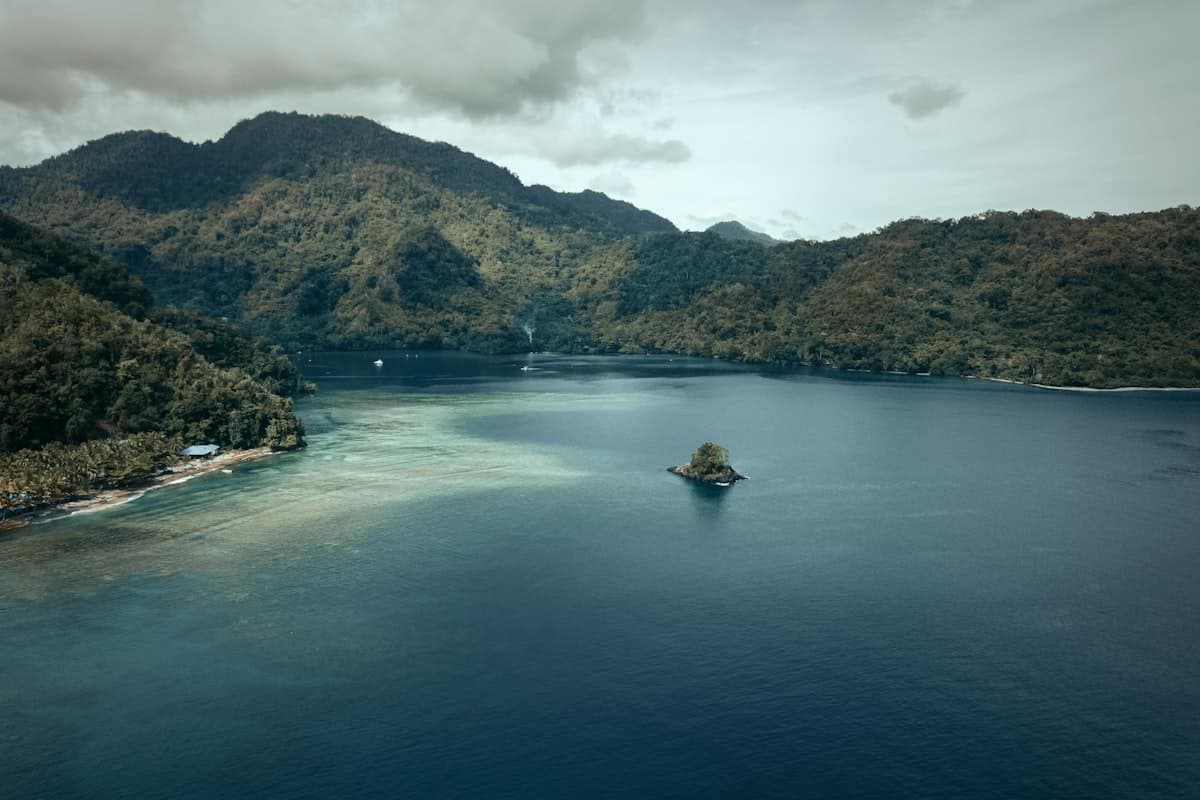
Best time to visit
May to October (dry season)
Region
East New Britain Province
Main airport
Kokopo (Rabaul) (TKW)
Wise
Your bank marks up every USD you spend in Papua New Guinea. Wise doesn't.
- No foreign transaction fees
- Free ATM withdrawals up to your limit
- Pay in local currency at the real rate
4.8 ★ App Store·4.8 ★ Google Play
Airalo eSIM
Your phone plan was built for home. This one was built for Papua New Guinea.
- No SIM swapping
- No data roaming charges
- Active in minutes
4.7 ★ App Store·4.6 ★ Google Play
Plan Your Trip
Getting Around Kokopo
Tours, stays, transfers, and flights — curated partner options are on the way.
Tours & Activities
Skip-the-line tickets, guided tours, and day experiences — curated partner options are on the way.
Coming soonWhere to Stay
Hotels, apartments, and guesthouses across every neighbourhood — booking options are on the way.
Coming soonAirport Transfers
Private and shared rides between the airport and the city centre — partner options are on the way.
Coming soonFlights
Compare fares from hundreds of airlines to find the best route in — search options are on the way.
Coming soonTravel Guide
Frequently Asked Questions About Visiting Papua New Guinea
Entry requirements vary by passport. Check the requirements for your specific passport on the Papua New Guinea page at Yoogo.
Papua New Guinea uses the Kina (PGK), divided into 100 toea. Cash is the dominant payment method, particularly outside Port Moresby, so carrying sufficient local currency is advisable; ATMs are available at major banks and some hotels in larger towns, though fees of around 15–20 PGK per withdrawal are common. Credit cards (Visa and Mastercard) are accepted at upscale hotels, some restaurants, and Air Niugini, but are rarely accepted in markets or rural areas.
Papua New Guinea has areas of elevated crime and social tension, particularly in Port Moresby and Lae, and visitors are advised to consult their government's official travel advisory before departure and on arrival. Travelling with a reputable guide or tour operator, staying in established accommodation, and avoiding isolated areas after dark reduces risk significantly. Many visitors explore PNG safely each year, particularly on organised trekking and diving trips.
Domestic air travel is the most practical way to move between regions, as the road network is limited and many areas are accessible only by light aircraft or boat. Within towns, shared Public Motor Vehicles (PMVs), which are privately operated minivans and small buses, provide affordable local transport; taxis and private hire vehicles are available in Port Moresby and Lae. Many outer islands and remote highland areas are reached by charter flights or small vessels.
The dry season from May to October is generally considered the most comfortable time to visit, with lower humidity, clearer skies, and reduced rainfall across most of the country. June to August are the coolest months and offer optimal conditions for trekking the Kokoda Track and for diving visibility. The wet season runs from November to April, bringing heavy rainfall particularly from December to March, though the highlands and offshore dive sites remain accessible throughout the year.
Papua New Guinea has three official languages: Tok Pisin (a widely spoken creole understood across the country), English (used in government and education), and Hiri Motu. The country is home to approximately 839 indigenous languages, making it one of the most linguistically diverse nations on Earth. English signage and basic English communication are available in hotels and tourist areas, and Tok Pisin is useful for broader interaction.
Malaria is present throughout Papua New Guinea below 1,800 metres, and antimalarial medication, insect repellent containing DEET, and mosquito nets are strongly recommended. Health authorities commonly advise vaccinations including hepatitis A, typhoid, and tetanus as a baseline, with Japanese encephalitis, rabies, and hepatitis B considered for longer stays or rural travel. Consulting a travel health clinic at least six weeks before departure allows time for any required courses.