←Slovakia travel guide
Bratislava Region, Slovakia
Bratislava
A Danube capital where medieval lanes meet baroque splendour
ArchitectureCultureHistory & Heritage
Bratislava sits on the banks of the Danube at the crossroads of Austria and Hungary, with its compact Old Town of cobbled squares, pastel palaces, and crowned cathedrals all within easy walking distance. Above it all, the four-towered Bratislava Castle surveys three countries from its hilltop perch, housing the Slovak National Museum's collection of history and archaeology.
Check Slovakia visa requirements →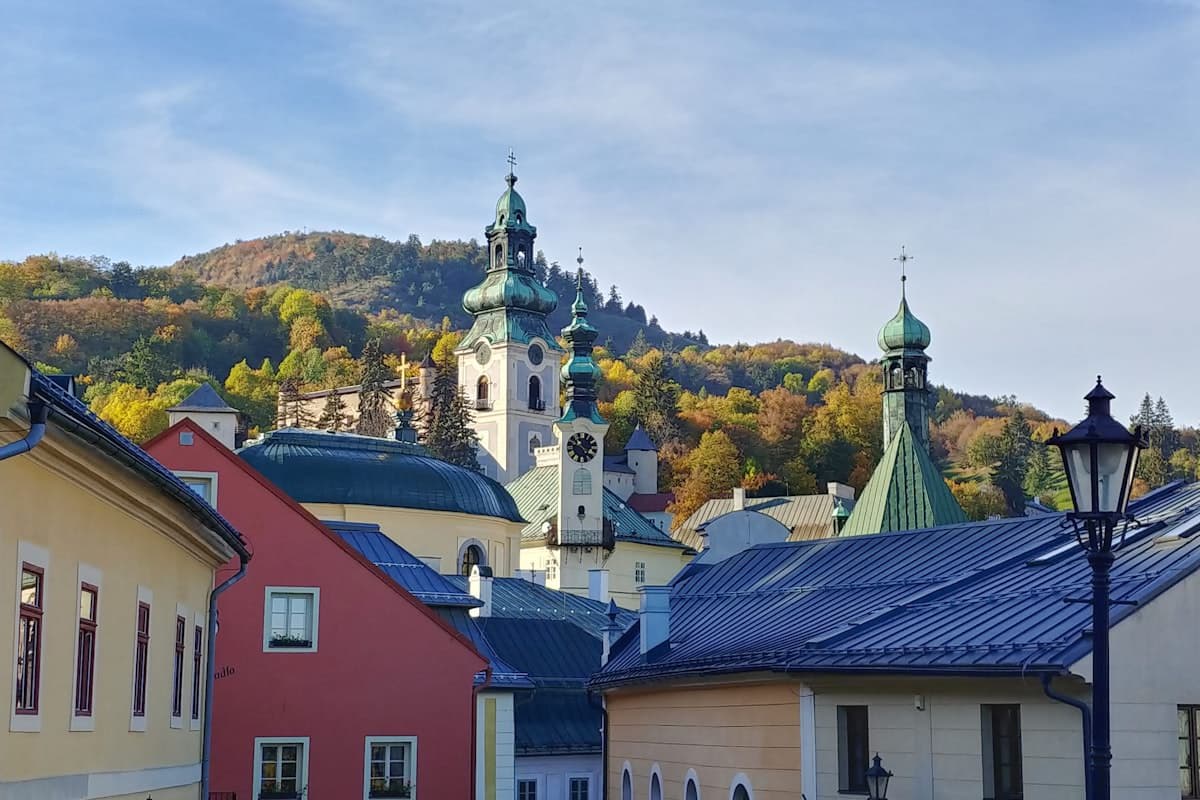
Best time to visit
April to June and September to October
Region
Bratislava Region
Main airport
Bratislava BTS (BTS)
Wise
Your bank marks up every USD you spend in Slovakia. Wise doesn't.
- No foreign transaction fees
- Free ATM withdrawals up to your limit
- Pay in local currency at the real rate
4.8 ★ App Store·4.8 ★ Google Play
Airalo eSIM
Your phone plan was built for home. This one was built for Slovakia.
- No SIM swapping
- No data roaming charges
- Active in minutes
4.7 ★ App Store·4.6 ★ Google Play
Plan Your Trip
Getting Around Bratislava
Tours, stays, transfers, and flights — curated partner options are on the way.
Tours & Activities
Skip-the-line tickets, guided tours, and day experiences — curated partner options are on the way.
Coming soonWhere to Stay
Hotels, apartments, and guesthouses across every neighbourhood — booking options are on the way.
Coming soonAirport Transfers
Private and shared rides between the airport and the city centre — partner options are on the way.
Coming soonFlights
Compare fares from hundreds of airlines to find the best route in — search options are on the way.
Coming soonTravel Guide
Frequently Asked Questions About Visiting Slovakia
Entry requirements vary by passport. Check the requirements for your specific passport on the Slovakia page at Yoogo.
Slovakia uses the euro (EUR), having adopted it in 2009. Card payments are widely accepted in cities, hotels, and larger restaurants, though it is wise to carry some cash for smaller towns, rural guesthouses, and market stalls.
Slovakia is generally considered a safe country with low levels of violent crime. As in any European city, travellers in Bratislava and Kosice should be alert to pickpocketing in busy tourist areas and around public transport hubs.
Trains connect Bratislava to Kosice, Zilina, and other major cities, with ZSSK operating the national rail network. Regional bus services run by SAD reach smaller towns and villages not served by rail, and renting a car is a practical option for exploring the High Tatras, Slovak Paradise, and the many UNESCO-listed small towns.
Late spring (May to June) and early autumn (September) offer pleasant temperatures, fewer crowds, and ideal conditions for hiking and sightseeing. Summer (July to August) is the warmest period and best for high-altitude trails, while winter (December to March) suits skiers heading to the Tatras resorts.
Slovak is the official language, with Hungarian spoken by a significant minority in the south. English is widely understood in Bratislava, in tourist areas, and among younger generations, though knowledge of basic Slovak phrases is appreciated and can be helpful in rural areas.
No specific vaccinations are required for entry to Slovakia, but travellers should ensure routine jabs are up to date. Tick-borne encephalitis vaccination is recommended for those planning extensive hiking or camping in forested areas, particularly in summer.
Tipping is customary in restaurants, with around 10 per cent of the bill considered appropriate; in more casual settings, rounding up to the nearest euro or two is common practice. Tipping hotel porters one or two euros per bag and rounding up taxi fares are both appreciated but not obligatory.
Slovakia has good 4G coverage across cities and main tourist corridors, with 5G available in Bratislava and Kosice. Travellers with a compatible device can purchase an eSIM from providers such as Airalo before departure, which connects automatically to local networks including O2 and Orange upon arrival.