Attraction in Slovenia
Lake Bled
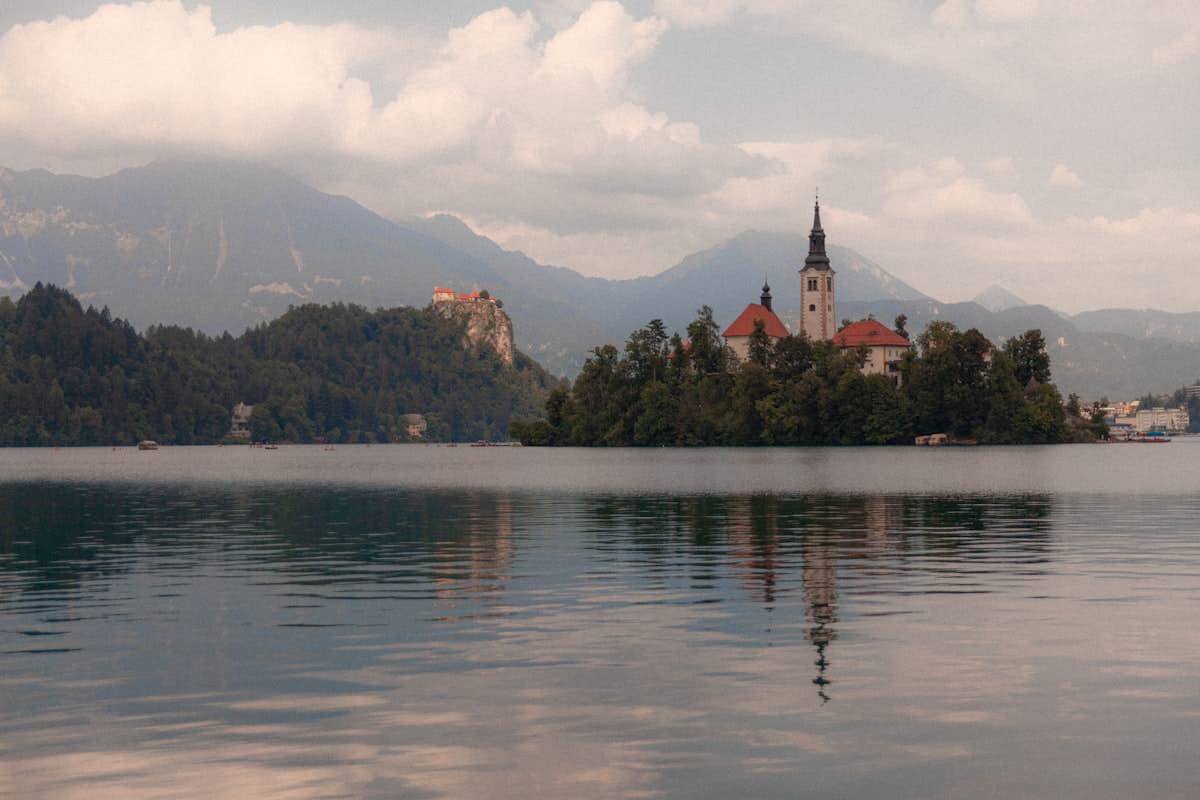
Lake Bled is a glacial lake in the Julian Alps famed for its extraordinary clarity and a small island bearing the Church of the Assumption, reached by traditional wooden pletna boats. Bled Castle, occupying a cliff 130 metres above the water, houses a museum and offers sweeping views across the lake to the peaks of Triglav National Park. The surrounding trails, including the circular Bled Circuit, make the lake equally rewarding on foot.
Wise
Your bank marks up every USD you spend in Slovenia. Wise doesn't.
- No foreign transaction fees
- Free ATM withdrawals up to your limit
- Pay in local currency at the real rate
4.8 ★ App Store·4.8 ★ Google Play
Airalo eSIM
Your phone plan was built for home. This one was built for Slovenia.
- No SIM swapping
- No data roaming charges
- Active in minutes
4.7 ★ App Store·4.6 ★ Google Play
Travel Guide
Frequently Asked Questions About Visiting Slovenia
Entry requirements vary by passport. Check the requirements for your specific passport on the Slovenia page at Yoogo.
Slovenia uses the euro (EUR), having adopted it in 2007 as one of the first new EU member states to do so. Card payments are widely accepted in hotels, restaurants, and shops throughout the country, though carrying some cash is useful for smaller cafes, rural markets, and public transport.
Slovenia consistently ranks among Europe's safest destinations, with low rates of violent crime and a well-functioning emergency services network. Standard travel precautions apply, particularly regarding pickpocketing in busy tourist areas of Ljubljana and Lake Bled during peak season.
Buses form the backbone of public transport, connecting cities, towns, and many rural villages more comprehensively than the train network. Slovenian Railways links Ljubljana with Maribor, Koper, and other major centres, and a car is the most practical option for reaching smaller villages and national park trailheads.
The shoulder seasons of late spring (May to June) and early autumn (September to October) offer the most agreeable combination of warm weather, manageable crowds, and lower accommodation prices. Summer (July to August) is warmest and busiest, particularly around Lake Bled, while winter brings skiing in Kranjska Gora and quieter city breaks in Ljubljana.
The official language is Slovenian, a South Slavic language. English is widely spoken in Ljubljana, Bled, Piran, and other tourist areas, and younger Slovenians in particular tend to have strong English proficiency.
No specific vaccinations are required for entry to Slovenia, though travellers should ensure routine immunisations, including MMR, are up to date. Those planning outdoor activities such as hiking or camping in forested areas may wish to discuss tick-borne encephalitis vaccination with their doctor before travelling.
Tipping is not obligatory in Slovenia but is appreciated as a gesture of satisfaction. In restaurants, rounding up the bill or leaving roughly 10 per cent is customary for good service, and rounding up taxi fares to the nearest euro is the norm.
Slovenia has good mobile coverage across urban areas and major tourist routes, with 4G widely available and 5G expanding in cities. EU roaming rules mean that visitors with EU-issued SIMs typically pay no extra roaming charges, and travel eSIMs from providers such as Airalo offer a convenient option for those with compatible devices.