Attraction in Switzerland
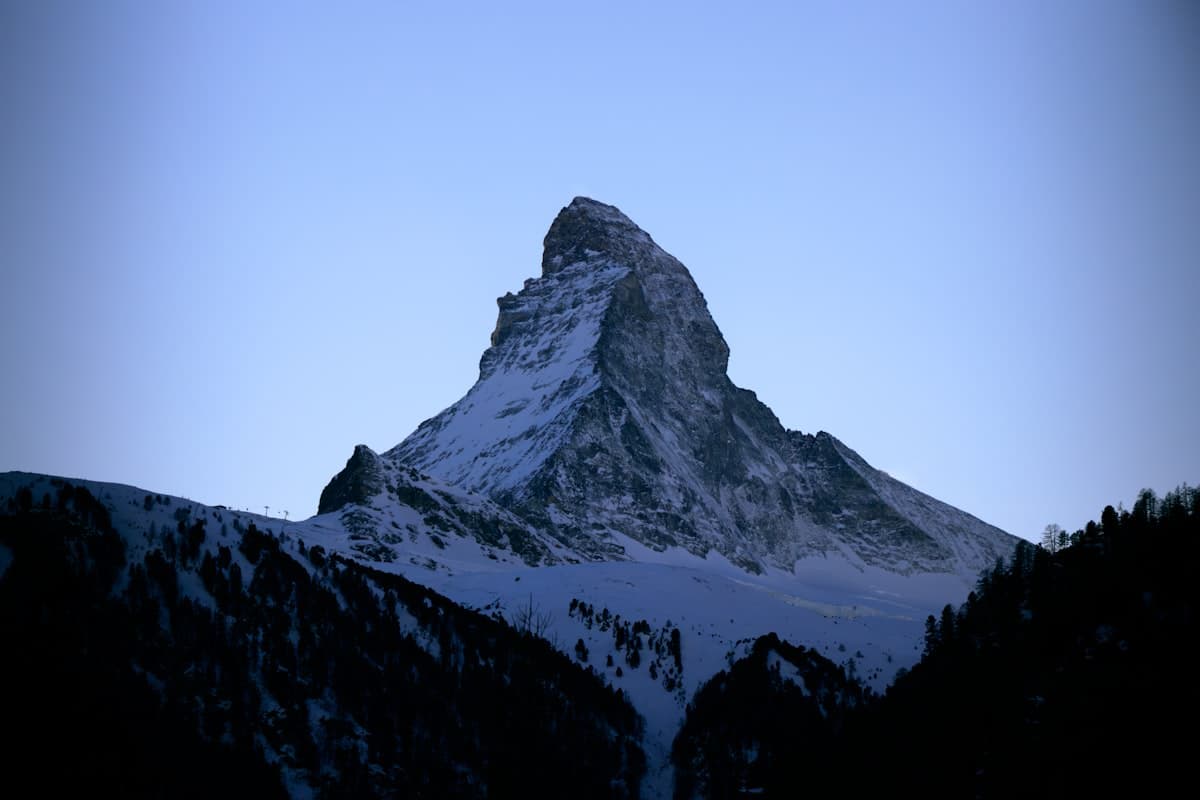
Matterhorn
The Matterhorn is the most recognisable peak in the Alps, its near-perfect pyramid rising to 4,478 metres above the resort town of Zermatt. The Gornergrat railway carries visitors to a classic viewpoint facing the mountain.
Wise
Your bank marks up every USD you spend in Switzerland. Wise doesn't.
- No foreign transaction fees
- Free ATM withdrawals up to your limit
- Pay in local currency at the real rate
4.8 ★ App Store·4.8 ★ Google Play
Airalo eSIM
Your phone plan was built for home. This one was built for Switzerland.
- No SIM swapping
- No data roaming charges
- Active in minutes
4.7 ★ App Store·4.6 ★ Google Play
Travel Guide
Frequently Asked Questions About Visiting Switzerland
Entry requirements depend on your passport. Check your specific requirements on the Switzerland page at Yoogo.
Switzerland uses the Swiss franc (CHF). Cards are widely accepted throughout the country, including contactless payments. ATMs are plentiful in cities and towns. Note that Switzerland is not part of the European Union, so euros are not the official currency, though many tourist-facing businesses accept them at their own exchange rates.
Switzerland consistently ranks among the safest countries in the world. Violent crime is rare, and petty theft is uncommon, though normal vigilance is sensible in busy railway stations and tourist areas. Natural hazards such as avalanches and mountain weather are more realistic concerns for outdoor visitors.
Switzerland has one of Europe's finest public transport networks. Swiss Federal Railways (SBB/CFF/FFS) connects cities and towns efficiently, and an integrated ticketing system covers trains, buses, trams, and boats. The Swiss Travel Pass offers unlimited travel across the network and is excellent value for visitors. Mountain railways, cable cars, and cogwheel trains reach many Alpine destinations.
Summer (June to September) is ideal for hiking in the Alps, with clear skies and accessible mountain trails. Winter (December to March) draws skiers to resorts such as Verbier, Zermatt, and St. Moritz. Spring and autumn are quieter and pleasant for city visits to Zurich, Geneva, and Bern, with lower accommodation prices.
Switzerland has four national languages: German (spoken by around 63% of the population), French (23%), Italian (8%), and Romansh (less than 1%). The region you are visiting largely determines which language you will encounter. English is widely spoken in tourist areas, hotels, and business settings across all regions.
No vaccinations are required for most travellers. Switzerland has excellent healthcare and hygiene standards, and tap water is safe to drink throughout the country. Travellers heading to forested areas should consider tick-borne encephalitis vaccination, particularly in summer months.
Tipping is not obligatory in Switzerland, as service charges are included in prices by law. Rounding up the bill or leaving 5–10% for excellent service at a restaurant is appreciated but never expected. Taxi drivers are commonly tipped by rounding up to the nearest franc.
Switzerland has excellent 4G and 5G mobile coverage nationwide, including in many mountain areas. Local prepaid SIM cards are available at convenience stores and phone shops. International roaming can be expensive; a Swiss SIM or travel eSIM is a cost-effective alternative. Free Wi-Fi is widely available in hotels, cafes, and train stations.