←Tanzania travel guide
Arusha Region, Tanzania
Arusha
Safari gateway city perched in the shadow of Mount Meru.
AdventureNature & OutdoorsWildlife
Arusha sits at the northern tip of the country and serves as the jumping-off point for the Serengeti, Ngorongoro, and Kilimanjaro. The city blends colourful Maasai craft markets, international diplomacy at the African Court building, and a cool highland climate that makes it a welcome base after dusty game drives.
Check Tanzania visa requirements →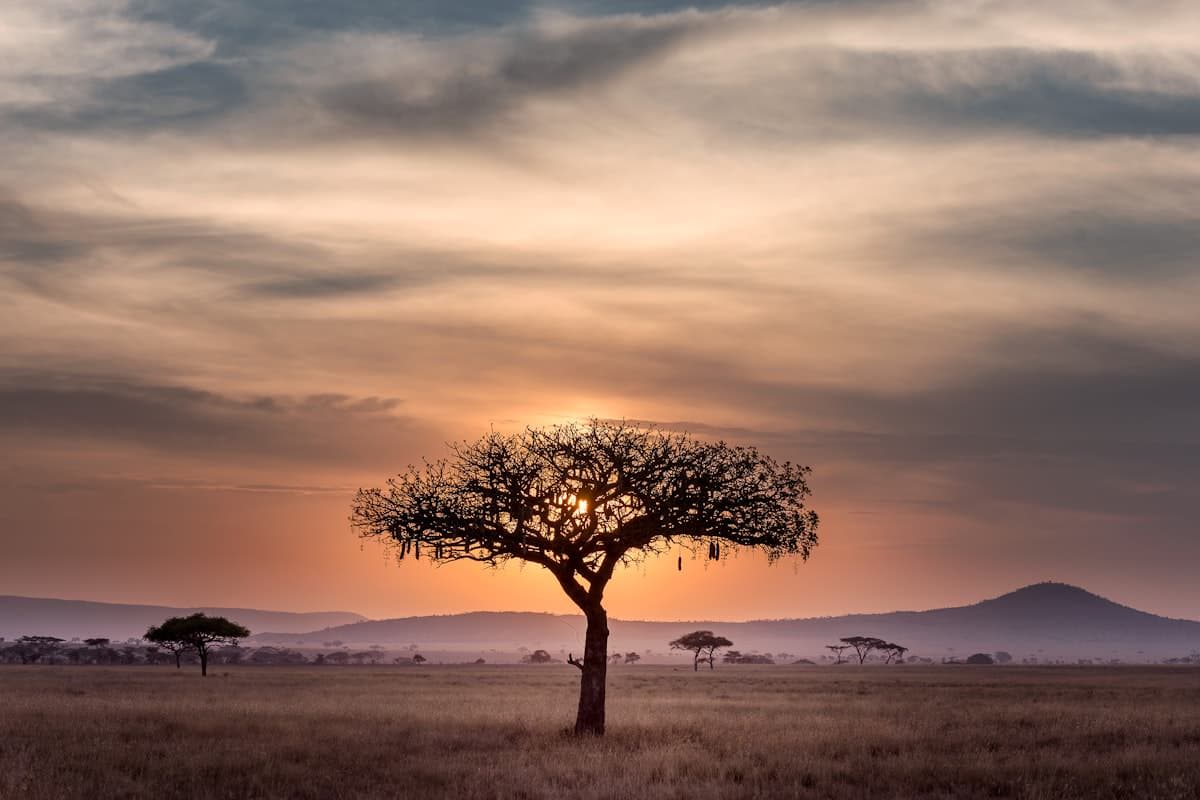
Best time to visit
June to October and December to February
Region
Arusha Region
Main airport
Arusha (ARK)
Also serves: JRO
Beyond the City
Day Trips from Arusha
UNESCO World HeritageNature
Serengeti National Park
The Serengeti is Tanzania's most celebrated national park, covering nearly 15,000 square kilometres of open savannah and acacia woodland across the north of the country. It is best known for the Great Migration, in which more than 1.5 million wildebeest and hundreds of thousands of zebra move in a continuous circuit in search of fresh grass, drawing predators and spectators alike. Year-round residents include the Big Five, making it one of the most rewarding game-viewing destinations on Earth.
UNESCO World Heritage
Wise
Your bank marks up every USD you spend in Tanzania. Wise doesn't.
- No foreign transaction fees
- Free ATM withdrawals up to your limit
- Pay in local currency at the real rate
4.8 ★ App Store·4.8 ★ Google Play
Airalo eSIM
Your phone plan was built for home. This one was built for Tanzania.
- No SIM swapping
- No data roaming charges
- Active in minutes
4.7 ★ App Store·4.6 ★ Google Play
Plan Your Trip
Getting Around Arusha
Tours, stays, transfers, and flights — curated partner options are on the way.
Tours & Activities
Skip-the-line tickets, guided tours, and day experiences — curated partner options are on the way.
Coming soonWhere to Stay
Hotels, apartments, and guesthouses across every neighbourhood — booking options are on the way.
Coming soonAirport Transfers
Private and shared rides between the airport and the city centre — partner options are on the way.
Coming soonFlights
Compare fares from hundreds of airlines to find the best route in — search options are on the way.
Coming soonTravel Guide
Frequently Asked Questions About Visiting Tanzania
Entry requirements depend on your passport. Check your specific requirements on the Tanzania page at Yoogo.
Tanzania uses the Tanzanian shilling (TZS). Cash is essential for most daily transactions, markets, and smaller establishments. US dollars are widely accepted at lodges, national park fees, and tourist services, and are the practical currency for safari bookings. ATMs are available in Dar es Salaam, Arusha, and Zanzibar, but less reliable in rural areas.
Tanzania is generally safe for tourists in the main travel areas. Petty theft and bag snatching occur in cities and busy tourist spots, so keep valuables secure. Zanzibar is safe but travellers should remain aware of their surroundings, particularly at night. Check current advisories for any border areas.
Domestic flights are the most practical way to travel between Dar es Salaam, Arusha, Zanzibar, and safari destinations such as the Serengeti. Buses connect major towns but road quality varies significantly. On Zanzibar, dala-dala minibuses and taxis serve the island. On safari, you will typically travel in a guide's 4WD vehicle.
The dry season from June to October is the best time for wildlife viewing, with animals concentrating around water sources and the famous wildebeest migration peaking in July and August. January to March brings a short dry spell also good for game viewing. Zanzibar is pleasant most of the year, with the main rains falling April to May.
Swahili (Kiswahili) is the national language and is spoken across the country. English is an official language and is widely used in education, government, and tourism. In tourist areas and national parks, English is sufficient for communication. A few Swahili phrases such as 'jambo' (hello) and 'asante' (thank you) are warmly received.
Yellow fever vaccination is required if arriving from a yellow fever endemic country, and is recommended for most visitors. Malaria is present throughout mainland Tanzania; consult a travel health clinic for antimalarial medication advice. Hepatitis A, typhoid, and routine vaccinations are commonly recommended. Zanzibar is also a malaria zone.
Tipping is an important part of the economy in tourist Tanzania. Safari guides and camp staff customarily receive gratuities; established guidelines suggest around USD 10–20 per person per day for guides and USD 5–10 for camp staff. At restaurants, 10% is appropriate. Hotel porters and other service workers appreciate small tips.
Mobile networks cover urban areas and most tourist destinations. Local SIM cards from providers such as Vodacom, Airtel, and TTCL are inexpensive and available at airports and shops. 4G coverage is available in cities and some tourist areas; rural and remote national park areas may have limited signal. Lodges typically offer Wi-Fi.