←Thailand travel guide
Chiang Mai Province, Thailand
Chiang Mai
Ancient Lanna temples surrounded by mountain mist
CultureFood & DrinkHistory & HeritageNature & Outdoors
Chiang Mai is the cultural capital of northern Thailand, a city founded in 1296 whose ancient walled centre contains more than 30 temples showcasing distinctive Lanna architecture. The surrounding mountains offer trekking, elephant sanctuaries, and hill tribe village visits, while the night bazaar and Sunday Walking Street draw food and craft lovers. It is a natural base for exploring northern Thailand at a slower, more meditative pace.
Check Thailand visa requirements →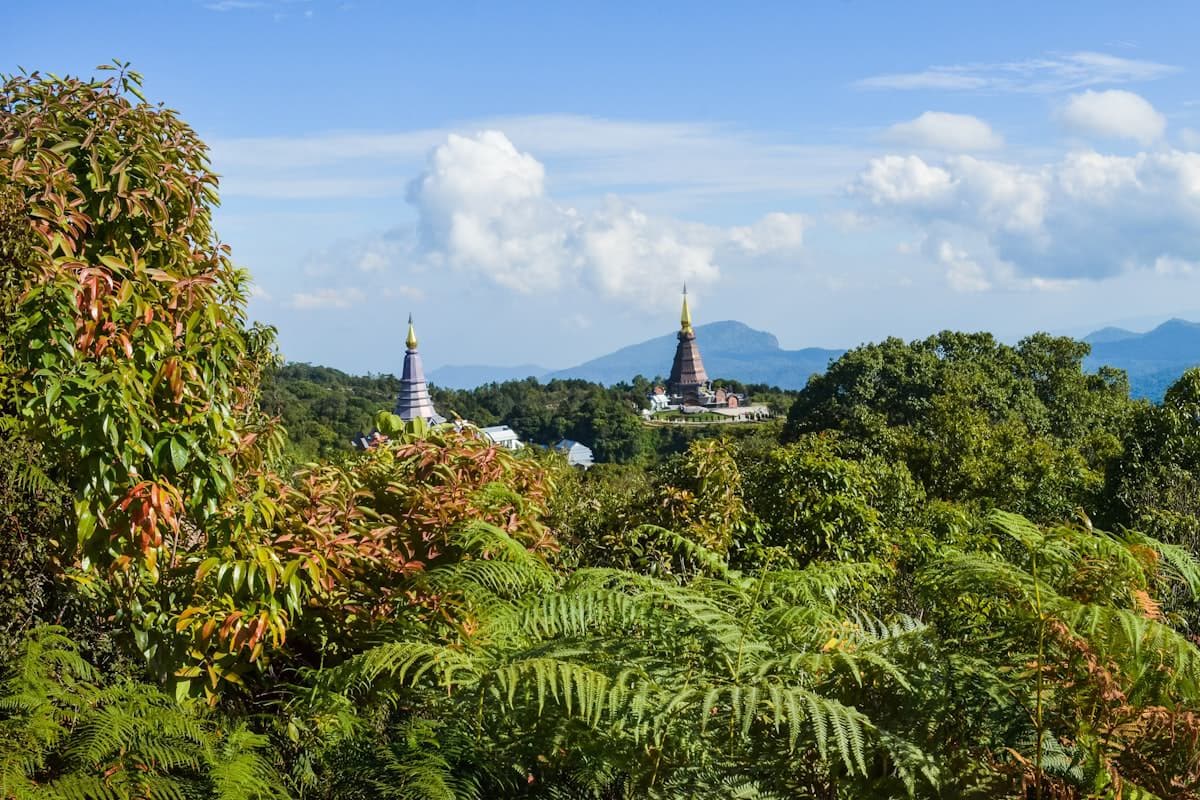
Best time to visit
November to February
Region
Chiang Mai Province
Main airport
Chiang Mai CNX (CNX)
Wise
Your bank marks up every USD you spend in Thailand. Wise doesn't.
- No foreign transaction fees
- Free ATM withdrawals up to your limit
- Pay in local currency at the real rate
4.8 ★ App Store·4.8 ★ Google Play
Airalo eSIM
Your phone plan was built for home. This one was built for Thailand.
- No SIM swapping
- No data roaming charges
- Active in minutes
4.7 ★ App Store·4.6 ★ Google Play
Plan Your Trip
Getting Around Chiang Mai
Tours, stays, transfers, and flights — curated partner options are on the way.
Tours & Activities
Skip-the-line tickets, guided tours, and day experiences — curated partner options are on the way.
Coming soonWhere to Stay
Hotels, apartments, and guesthouses across every neighbourhood — booking options are on the way.
Coming soonAirport Transfers
Private and shared rides between the airport and the city centre — partner options are on the way.
Coming soonFlights
Compare fares from hundreds of airlines to find the best route in — search options are on the way.
Coming soonTravel Guide
Frequently Asked Questions About Visiting Thailand
Entry requirements depend on your passport. Check your specific requirements on the Thailand page at Yoogo.
Thailand uses the Thai baht (THB). ATMs are widely available in cities and tourist areas, and credit cards are accepted at most hotels, restaurants, and larger shops. Currency exchange services operate throughout tourist zones, generally offering competitive rates. Carry some cash for markets, street food, and smaller establishments.
Thailand is generally safe for tourists, though petty scams targeting visitors are common in heavily touristed areas such as Bangkok's Grand Palace precinct. Thailand has strict lèse-majesté laws; any perceived disrespect towards the royal family carries serious criminal penalties of up to 15 years' imprisonment. Avoid overstaying your visa, as fines and blacklisting apply. Exercise normal caution with your belongings in crowded areas.
Thailand has a well-developed transport network. Bangkok is served by the BTS Skytrain and MRT metro, as well as buses, taxis, tuk-tuks, and river ferries. Budget airlines such as AirAsia connect major cities and resort areas quickly and affordably. Long-distance trains link Bangkok with Chiang Mai and southern destinations. Motorbike rental is popular but requires care, especially on busy roads.
November through February is the most comfortable time to visit, with cooler temperatures and lower humidity across most of the country. March and April are very hot, with temperatures reaching 40°C in many areas. The monsoon season runs roughly May through October, bringing heavy rainfall, though the south and north experience different wet season patterns. The Songkran water festival in April and Loy Krathong in November are popular times to visit for cultural events.
Thai is the official language, a tonal language that can be challenging to learn quickly. English is widely spoken at hotels, tourist sites, and in major cities, but proficiency drops significantly in rural areas. Staff at guesthouses and restaurants in tourist towns generally manage conversational English. Learning a few basic Thai phrases, such as greetings and thank you, is warmly received by locals.
No vaccinations are legally required for most travellers entering Thailand. However, travel health professionals commonly recommend being up to date on hepatitis A, typhoid, and routine vaccinations. Travellers arriving from countries with yellow fever risk must carry a valid yellow fever certificate. Consult your doctor or a travel health clinic at least 4–6 weeks before departure. Pharmacies are well stocked throughout the country.