←All destinations
Travel Guide
Visiting Timor-Leste
Select your passport to instantly check if you need a visa.
Discover
Top Attractions in Timor-Leste
The most iconic and unmissable experiences this country has to offer.
Atauro Island
A short boat ride from Dili, Atauro Island is ringed by some of the most biodiverse reefs on earth. Eco-lodges and community guesthouses make it a peaceful base for diving and snorkelling.
Cristo Rei of Dili
A 27-metre statue of Christ stands atop a globe at Cape Fatucama on Dili's eastern headland, inaugurated in 1996 and now one of the country's most recognised landmarks. Visitors climb roughly 500 steps through coastal forest to reach the base, and the panorama from the top takes in the Wetar Strait, surrounding beaches, and the hills above the capital. The adjacent bay is one of Dili's most popular spots for swimming and snorkelling.
Mount Ramelau
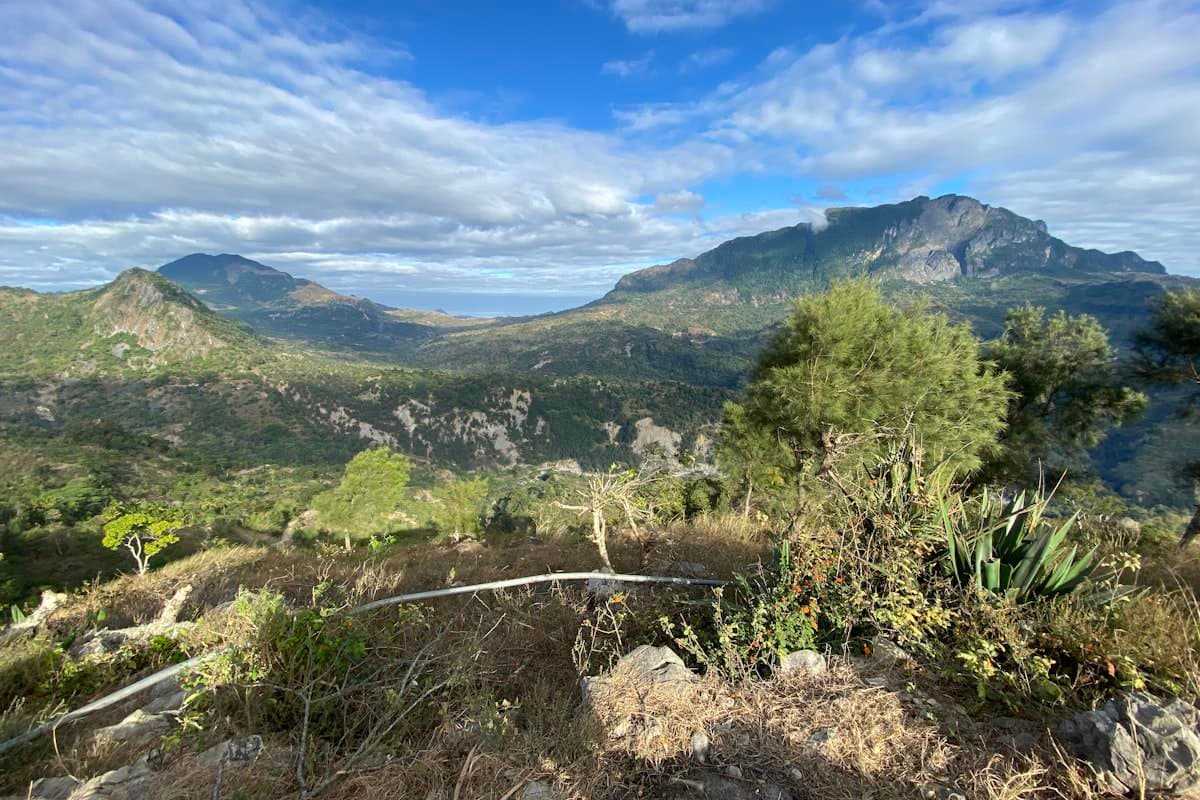
The highest peak in Timor-Leste at 2,986 metres, Ramelau is climbed before dawn to catch sunrise from the summit. A statue of the Virgin Mary crowns the top, a place of pilgrimage for many Timorese.
Jaco Island
At the country's eastern tip, uninhabited Jaco Island is considered sacred and fringed by brilliant white sand. Local fishermen ferry visitors across for a day of snorkelling in clear, empty waters.
Wise
Your bank marks up every USD you spend in Timor-Leste. Wise doesn't.
- No foreign transaction fees
- Free ATM withdrawals up to your limit
- Pay in local currency at the real rate
4.8 ★ App Store·4.8 ★ Google Play
Airalo eSIM
Your phone plan was built for home. This one was built for Timor-Leste.
- No SIM swapping
- No data roaming charges
- Active in minutes
4.7 ★ App Store·4.6 ★ Google Play
Where to Go
Top Cities to Visit in Timor-Leste
Health & Safety
Health & Emergency Info
Before You Travel
Before you travel check that: your destination can provide the healthcare you may need you have appropriate travel insurance for local treatment or unexpected medical evacuation This is particularly important if you have a health condition or are pregnant. Emergency medical number Call 110, +670 331 1044 or +670 723 3212 and ask for an ambulance. Emergency medical services in Timor-Leste are unreliable. Make your own way to hospital if you can. There may be other numbers for the areas you visit – ask your hotel or the local police. Contact your insurance company quickly if you’re referred to a
Full health advice (FCDO) →Emergency Numbers
Police112
Ambulance110
Fire115
Health information sourced from UK FCDO. Always consult a travel health professional before departure.
Practical Info
Travel Essentials
Drive on
left
Language
Tetum, Portuguese
Plug Types
Type C, E, F, I
Travel Guide
Frequently Asked Questions About Visiting Timor-Leste
Entry requirements depend on your passport. Check your specific requirements on the Timor-Leste page at Yoogo.
Timor-Leste uses the US dollar (USD) as its official currency. Cash is essential for most transactions. Card acceptance is very limited outside Dili's hotels and a small number of restaurants. ATMs are available in Dili but scarce elsewhere. Bring sufficient cash when travelling outside the capital.
Timor-Leste is generally safe for visitors, though it remains one of Asia's least-developed countries. Petty crime occurs in Dili; take standard precautions with valuables. Road conditions outside the capital are poor, and driving after dark is not recommended. Check your government's current travel advisory before visiting.
Public microletes (minibuses) and taxis serve Dili and connect to some regional towns. Roads outside the capital range from poor to impassable in wet conditions, and a 4WD vehicle is strongly recommended for rural travel. Domestic flights connect Dili with Baucau. Travel times can be considerably longer than distances suggest due to road conditions.
The dry season from May to November is the best time to visit, with clear skies and accessible roads. The wet season from December to April brings heavy rains that can make rural travel difficult. Diving conditions are good year-round in the waters around Dili, with excellent coral reefs just offshore.
Tetum and Portuguese are the two official languages. Indonesian is widely understood, as is English among younger and educated Timorese. In Dili, English is sufficient in tourist settings.
Consult a travel health clinic before visiting Timor-Leste. Malaria is present in some areas; seek advice on prophylaxis. Hepatitis A, typhoid, and routine vaccinations are recommended. Drinking tap water is not safe; use bottled or treated water. Medical facilities outside Dili are extremely limited.
Tipping is not a formal custom in Timor-Leste, but it is appreciated given the low average incomes. Rounding up the bill at restaurants and leaving a small gratuity for guides is a generous gesture. There are no rigid expectations.
Mobile coverage is available in Dili and most district capitals via providers including Telemor and Timor Telecom. Coverage in rural and mountainous areas is very limited. SIM cards are available in Dili. Internet speeds tend to be slow. Wi-Fi is available at some hotels and cafes in Dili.