←All destinations
Travel Guide
Visiting Tuvalu
Select your passport to instantly check if you need a visa.
Discover
Top Attractions in Tuvalu
The most iconic and unmissable experiences this country has to offer.
Funafuti Conservation Area
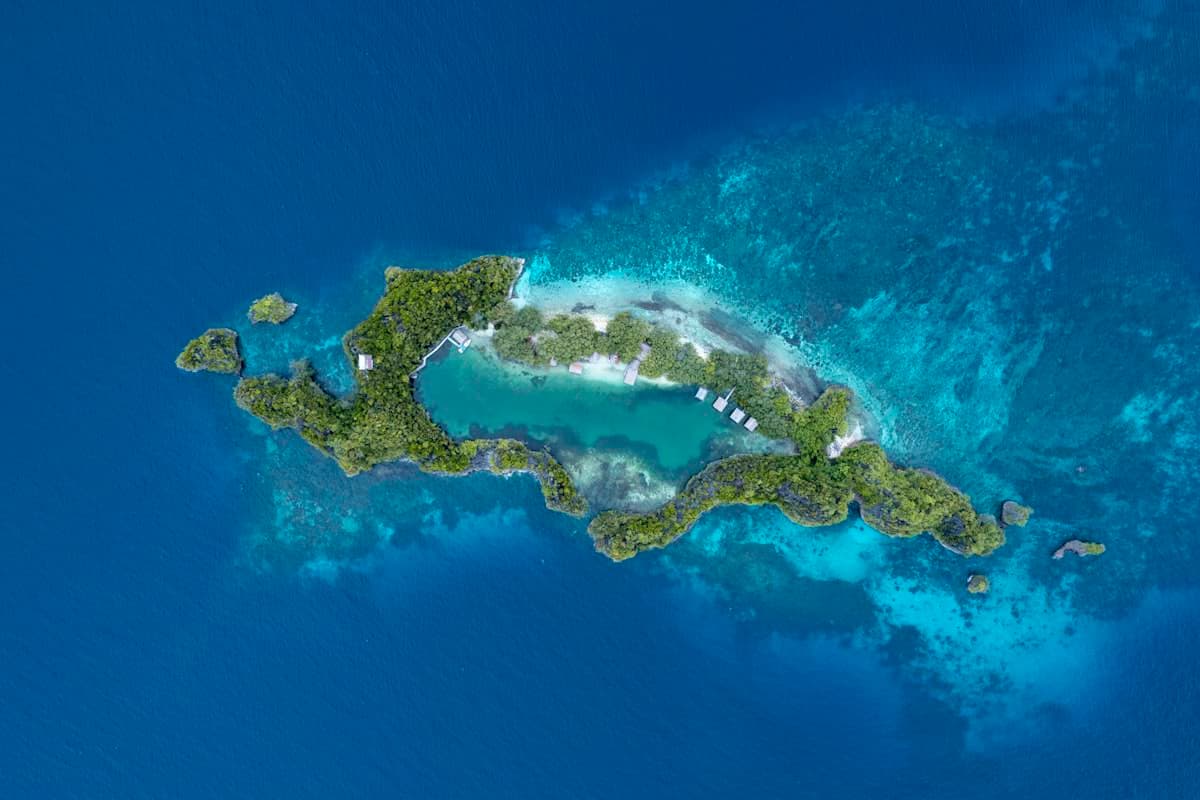
This protected stretch of lagoon, reef, and uninhabited islets is the natural highlight of Tuvalu. Boat trips from the capital reach clear water rich in fish, turtles, and seabirds.
Funafuti Lagoon
The vast turquoise lagoon at the heart of Funafuti atoll is the centre of local life, perfect for swimming and snorkelling. Calm and sheltered, it offers a gentle introduction to atoll living.
Funafuti Airstrip
Built by American forces in 1942 as a strategic Pacific air base, the Funafuti airstrip remains the country's only international airport and a living piece of Second World War history. When no flights are scheduled, local families use the runway as a gathering place for volleyball, football, and evening strolls under open skies. The contrast between its wartime origins and its present role as the social heart of the atoll gives it a character found nowhere else in the Pacific.
Fongafale Islet
The main islet of Fongafale is home to most of the country's people, strung along a sliver of land beside the airstrip. At dusk the runway becomes a gathering place for football, games, and conversation.
Wise
Your bank marks up every USD you spend in Tuvalu. Wise doesn't.
- No foreign transaction fees
- Free ATM withdrawals up to your limit
- Pay in local currency at the real rate
4.8 ★ App Store·4.8 ★ Google Play
Airalo eSIM
Your phone plan was built for home. This one was built for Tuvalu.
- No SIM swapping
- No data roaming charges
- Active in minutes
4.7 ★ App Store·4.6 ★ Google Play
Where to Go
Top Cities to Visit in Tuvalu
Health & Safety
Health & Emergency Info
Before You Travel
Before you travel check that: your destination can provide the healthcare you may need you have appropriate travel insurance for local treatment or unexpected medical evacuation This is particularly important if you have a health condition or are pregnant. Emergency medical number Call 911 or 999 and ask for an ambulance. Contact your insurance company quickly if you’re referred to a medical facility for treatment. Vaccine recommendations and health risks At least 8 weeks before your trip: check the latest vaccine recommendations for Tuvalu see where to get vaccines and whether you have to pay
Full health advice (FCDO) →Emergency Numbers
Police911
Ambulance911
Fire911
Health information sourced from UK FCDO. Always consult a travel health professional before departure.
Practical Info
Travel Essentials
Travel Guide
Frequently Asked Questions About Visiting Tuvalu
Entry requirements depend on your passport. Check your specific requirements on the Tuvalu page at Yoogo.
Tuvalu uses the Australian dollar (AUD) alongside Tuvaluan coins. Cash is essential; there are no ATMs on Funafuti. Credit cards are not widely accepted. Bring all the cash you need for your stay before arriving, as banking facilities are extremely limited.
Tuvalu is a peaceful and safe destination with very low crime. The country's main existential challenge is sea-level rise, which threatens the low-lying atolls over the long term. Cyclones are a hazard, mainly between November and April. Healthcare facilities are very limited.
Funafuti, the capital atoll, is small enough to explore on foot or by bicycle. Motorbike and scooter hire is available. Outer islands are reached by government boats, which run on irregular schedules. Flights to Tuvalu arrive on Funafuti from Fiji. There is very limited tourist infrastructure outside the capital.
April to October is drier and more comfortable, with the risk of cyclones lower outside the November to March wet season. Tuvalu receives very few tourists year-round, and the islands are genuinely off the beaten path. The lagoon is calm and excellent for snorkelling and swimming.
Tuvaluan and English are both official languages. English is widely used in government, education, and official contexts. Most Tuvaluans speak both languages. Visitors will have no difficulty communicating in English.
No vaccinations are required for most travellers, but routine immunisations should be up to date. Dengue fever is present; use insect repellent. Medical facilities on Funafuti are basic, and emergency medical evacuation to Fiji or Australia may be required for serious conditions. Comprehensive travel insurance is essential.
Tipping is not customary in Tuvalu. The culture operates on strong community and sharing values rather than a service-tip economy. A warm thank-you is the most appreciated form of acknowledgement.
Mobile coverage is available on Funafuti via Tuvalu Telecom Corporation. Internet access exists but is slow and expensive by international standards. Wi-Fi is available at some guesthouses. Connectivity on outer islands is essentially non-existent.
Tuvaluan culture centres on community, family, and the church. Dress modestly and behave respectfully in villages. Sunday is observed as a day of rest and worship. The Fatele, a traditional dance performed at community gatherings, is a highlight of Tuvaluan cultural life. Visitors are warmly welcomed as guests of one of the world's smallest and most remote nations.