←Venezuela travel guide
Capital District, Venezuela
Caracas
A capital city cradled between Ávila mountain and Caribbean coast
ArchitectureCulture
Caracas sits in a valley at roughly 900 metres elevation in northern Venezuela, sheltered by the dramatic El Ávila mountain range that separates it from the Caribbean shore. The city centres on the historic Plaza Bolívar, flanked by its 17th-century cathedral, and spreads outward to include the UNESCO-listed University City designed by modernist architect Carlos Raúl Villanueva, major art museums, and the towers of Parque Central.
Check Venezuela visa requirements →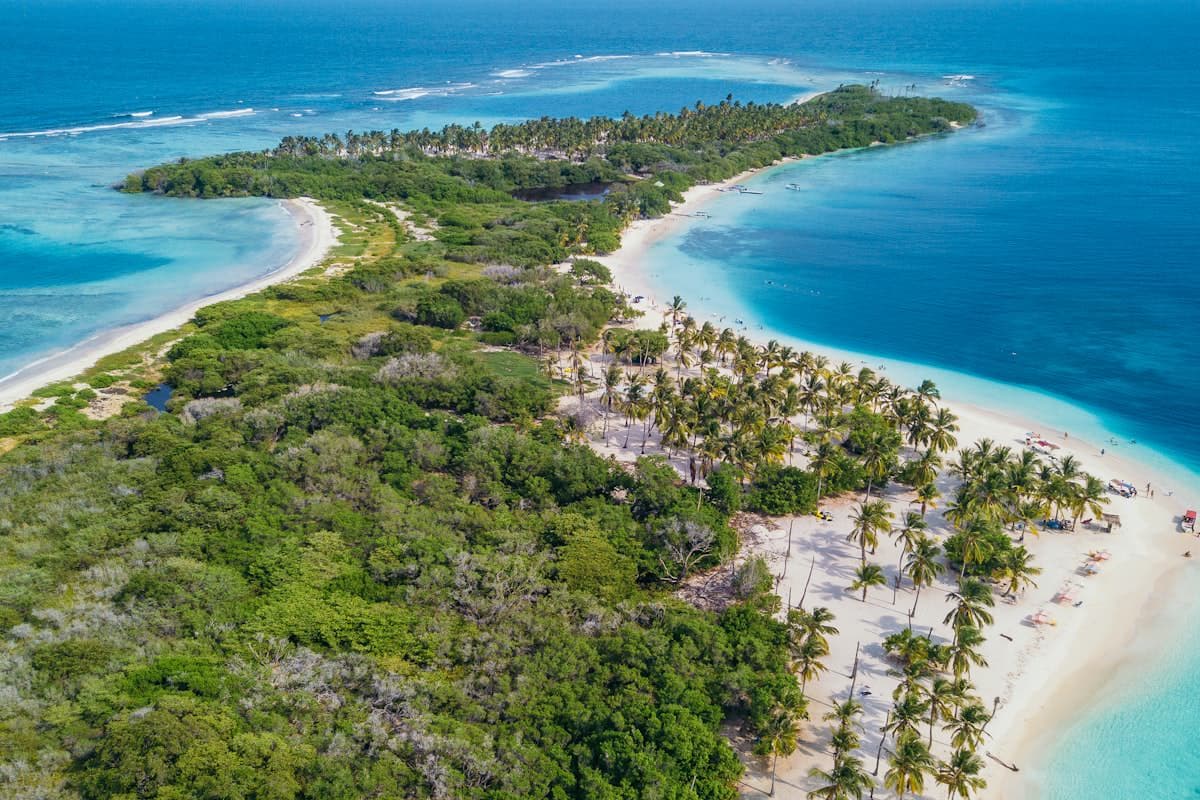
Best time to visit
December to April (dry season)
Region
Capital District
Main airport
Caracas (CCS)
Beyond the City
Day Trips from Caracas
Nature
Los Roques
An archipelago of coral islands in the Caribbean, Los Roques is prized for white-sand cays and clear, shallow lagoons. Snorkelling, diving, and bonefishing draw visitors to its protected waters.
Nature
Los Roques Archipelago
Los Roques is a federal dependency of Venezuela lying 128 kilometres north of the mainland in the Caribbean Sea, comprising around 350 islands and cays enclosing a shallow turquoise lagoon ringed by 1,500 square kilometres of coral reef. The archipelago was declared a national park in 1972, protecting one of the largest marine ecosystems in the Caribbean. Gran Roque, the only inhabited island, is the base for snorkelling, diving, fishing, windsurfing, and kitesurfing across the surrounding reefs.
Wise
Your bank marks up every USD you spend in Venezuela. Wise doesn't.
- No foreign transaction fees
- Free ATM withdrawals up to your limit
- Pay in local currency at the real rate
4.8 ★ App Store·4.8 ★ Google Play
Airalo eSIM
Your phone plan was built for home. This one was built for Venezuela.
- No SIM swapping
- No data roaming charges
- Active in minutes
4.7 ★ App Store·4.6 ★ Google Play
Plan Your Trip
Getting Around Caracas
Tours, stays, transfers, and flights — curated partner options are on the way.
Tours & Activities
Skip-the-line tickets, guided tours, and day experiences — curated partner options are on the way.
Coming soonWhere to Stay
Hotels, apartments, and guesthouses across every neighbourhood — booking options are on the way.
Coming soonAirport Transfers
Private and shared rides between the airport and the city centre — partner options are on the way.
Coming soonFlights
Compare fares from hundreds of airlines to find the best route in — search options are on the way.
Coming soonTravel Guide
Frequently Asked Questions About Visiting Venezuela
Entry requirements depend on your passport. Check your specific requirements on the Venezuela page at Yoogo.
Venezuela uses the Venezuelan bolivar soberano (VES). The currency has experienced severe hyperinflation; the US dollar is widely used in practice and is the most practical currency for visitors. Card acceptance is inconsistent. Bring US dollars in cash and exchange through authorised channels.
Venezuela faces significant security challenges, including high rates of violent crime, kidnapping, and political instability. Most governments advise against all but essential travel to many areas. Caracas has one of the highest murder rates in the world. If you do travel, exercise extreme caution, avoid displaying valuables, use private transport, and stay in well-secured accommodation. Check your government's travel advisory carefully.
Domestic flights connect major cities and can be more reliable than road travel in some areas. Road conditions vary greatly, and long-distance road travel at night is not recommended. For natural attractions such as Angel Falls and the Gran Sabana, organised tours with reputable operators are strongly advised.
December to April is the dry season and the best time for visiting the Gran Sabana, tepuis, and the Orinoco Delta. Angel Falls is most impressive during the rainy season (May to November) when water flow peaks. Beach destinations on the Caribbean coast are pleasant year-round.
Spanish is the official language and is spoken throughout the country. Numerous indigenous languages are spoken by communities in remote regions. English is limited outside some tourist contexts and among some business communities.
Yellow fever vaccination is recommended for most travellers visiting Venezuela, and is required if arriving from a yellow fever endemic country. Malaria is present in some regions, particularly near the Orinoco and in the south-east; consult a travel health clinic for advice. Hepatitis A, typhoid, and routine vaccinations are recommended. Medical facilities outside Caracas are very limited.
Tipping is customary in Venezuela. In restaurants, 10% is standard where a service charge is not included. Hotel staff, tour guides, and taxi drivers typically appreciate tips. Given the economic situation, tips in US dollars are particularly valued.
Mobile networks operate across urban areas and major towns via CANTV and Movistar. Service quality can be inconsistent, and internet speeds are often slow due to infrastructure issues. Wi-Fi is available at some hotels. Connectivity in remote areas such as the Gran Sabana is very limited.