←All destinations
Travel Guide
Visiting Zimbabwe
Select your passport to instantly check if you need a visa.
Discover
Top Attractions in Zimbabwe
The most iconic and unmissable experiences this country has to offer.
UNESCO World Heritage
Victoria Falls
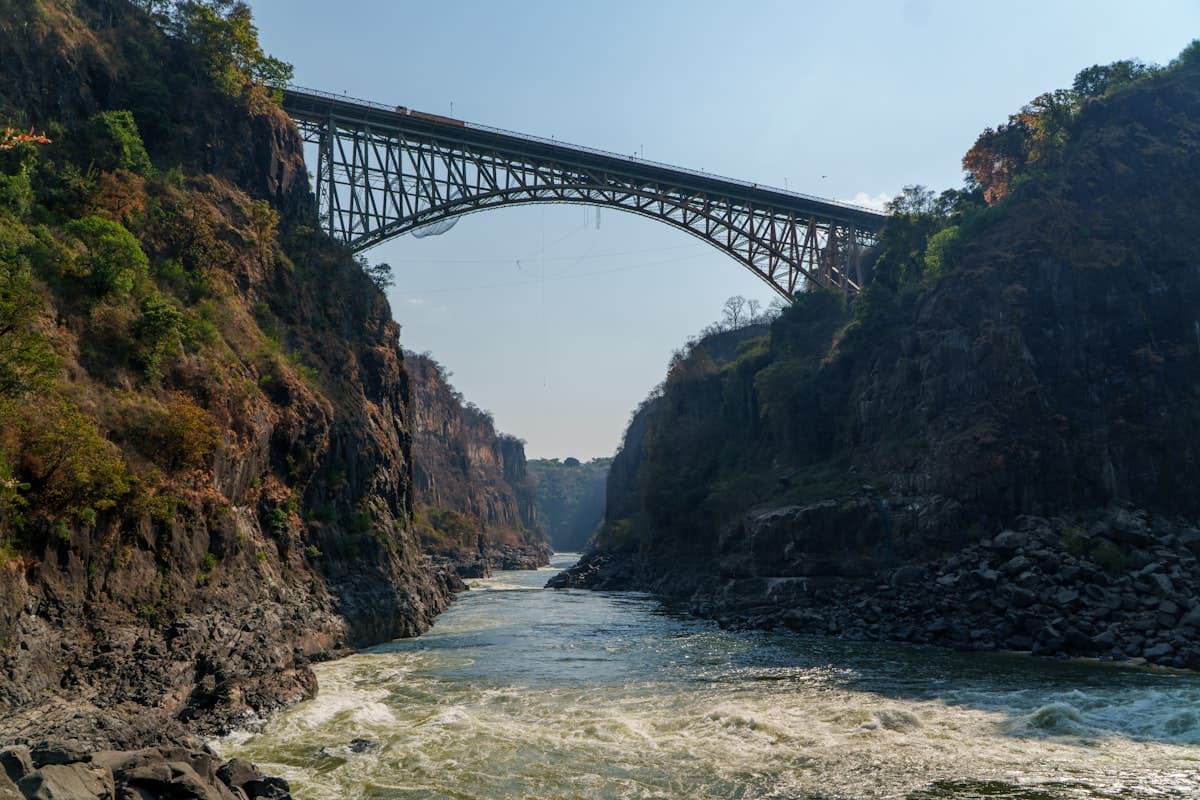
From the Zimbabwean side, a network of paths leads through rainforest to face the full breadth of Victoria Falls. The spray, rainbows, and sheer power of the curtain of water are unforgettable.
UNESCO World Heritage
Great Zimbabwe
The stone city of Great Zimbabwe, a UNESCO World Heritage site, was the heart of a powerful medieval kingdom. Its towering dry-stone walls, built without mortar, gave the modern nation its name.
Wise
Your bank marks up every USD you spend in Zimbabwe. Wise doesn't.
- No foreign transaction fees
- Free ATM withdrawals up to your limit
- Pay in local currency at the real rate
4.8 ★ App Store·4.8 ★ Google Play
Airalo eSIM
Your phone plan was built for home. This one was built for Zimbabwe.
- No SIM swapping
- No data roaming charges
- Active in minutes
4.7 ★ App Store·4.6 ★ Google Play
Health & Safety
Health & Emergency Info
Before You Travel
Before you travel check that: your destination can provide the healthcare you may need you have appropriate travel insurance for local treatment or unexpected medical evacuation This is particularly important if you have a health condition or are pregnant. Emergency medical number Dial 112 from a mobile phone and ask for an ambulance. Zimbabwe’s emergency response capabilities are limited and, in many places, you will need to make local arrangements for transport. The Official Government of Zimbabwe web portal has a full list of emergency numbers. Contact your insurance company quickly if you’
Full health advice (FCDO) →Emergency Numbers
Police995
Ambulance994
Fire993
Health information sourced from UK FCDO. Always consult a travel health professional before departure.
Practical Info
Travel Essentials
Travel Guide
Frequently Asked Questions About Visiting Zimbabwe
Entry requirements depend on your passport. Check your specific requirements on the Zimbabwe page at Yoogo.
Zimbabwe introduced the Zimbabwe Gold (ZWG) currency in 2024 as a replacement for the RTGS dollar. The US dollar remains the most widely accepted currency in practice and is preferred for most tourist transactions, accommodation, and national park fees. Card acceptance is improving but cash remains important. Confirm currency acceptance before booking.
Zimbabwe is generally safe for tourists in the main travel areas, including Victoria Falls, Hwange, and Harare. Petty theft occurs and standard precautions apply. The political and economic situation has been volatile historically; check your government's current travel advisory before visiting.
Domestic flights connect Harare, Bulawayo, and Victoria Falls. Roads are generally driveable but conditions vary; a 4WD is recommended for some national park routes. Intercity buses serve major routes. Safari operators typically include transport. Driving is on the left.
May to October is the dry season and the best time for wildlife viewing in Hwange and other parks. July to September offer cool, dry conditions and excellent game spotting. Victoria Falls is most dramatic from March to May when the Zambezi River is at its highest flow.
Zimbabwe officially recognises 16 languages. Shona and Ndebele are the two most widely spoken, while English is the main language of government, education, and business. English is widely spoken in tourist areas and urban centres, making it straightforward for most visitors to communicate.
Yellow fever vaccination is required if arriving from a yellow fever endemic country. Malaria is present in much of Zimbabwe, including near Victoria Falls and Hwange; antimalarial prophylaxis is strongly recommended. Hepatitis A, typhoid, and routine vaccinations are also recommended. Tap water quality varies; bottled water is advised outside major cities.
Tipping is expected in Zimbabwe's tourist sector. Safari guides and camp staff typically receive USD 10–20 per person per day as a guideline. Restaurant staff appreciate 10% where a service charge is not included. Tips are best given in US dollars.
Mobile coverage is available in Harare, Bulawayo, Victoria Falls, and major towns via NetOne, Econet, and Telecel. Coverage in rural and national park areas can be limited. Local SIM cards are available with a passport. Wi-Fi is available at hotels and lodges in tourist areas.