←Aruba travel guide
San Nicolas, Aruba
San Nicolas
Aruba's vibrant cultural heart and street-art capital
Art & MuseumsBeachesCulture
San Nicolas, the island's second city in the south, is known as the Sunrise City and is covered in bold murals, music venues, and local eateries. Shaped by its oil-refinery past and Caribbean migration, it is the birthplace of Aruban Carnival and a centre of the island's Creole culture.
Check Aruba visa requirements →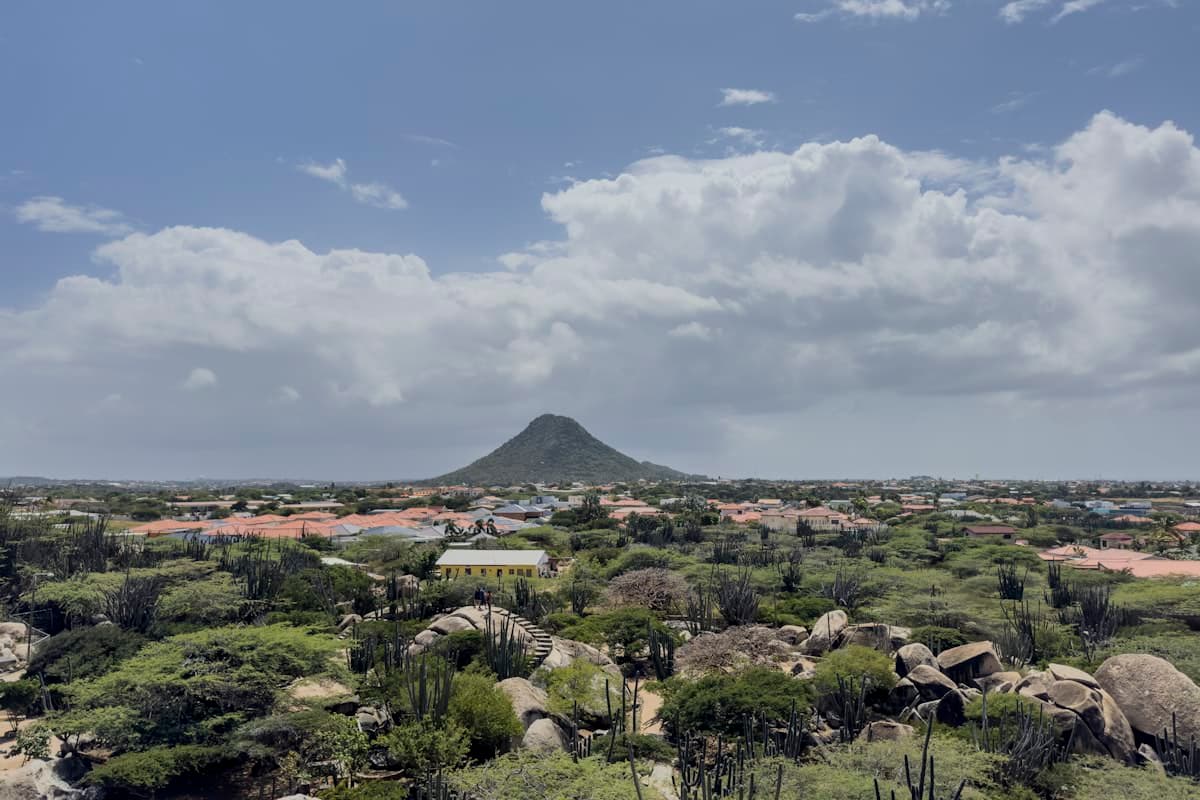
Best time to visit
December to April
Region
San Nicolas
Main airport
Aruba AUA (AUA)
Beyond the City
Day Trips from San Nicolas
Wise
Your bank marks up every USD you spend in Aruba. Wise doesn't.
- No foreign transaction fees
- Free ATM withdrawals up to your limit
- Pay in local currency at the real rate
4.8 ★ App Store·4.8 ★ Google Play
Airalo eSIM
Your phone plan was built for home. This one was built for Aruba.
- No SIM swapping
- No data roaming charges
- Active in minutes
4.7 ★ App Store·4.6 ★ Google Play
Plan Your Trip
Getting Around San Nicolas
Tours, stays, transfers, and flights — curated partner options are on the way.
Tours & Activities
Skip-the-line tickets, guided tours, and day experiences — curated partner options are on the way.
Coming soonWhere to Stay
Hotels, apartments, and guesthouses across every neighbourhood — booking options are on the way.
Coming soonAirport Transfers
Private and shared rides between the airport and the city centre — partner options are on the way.
Coming soonFlights
Compare fares from hundreds of airlines to find the best route in — search options are on the way.
Coming soonTravel Guide
Frequently Asked Questions About Visiting Aruba
Entry requirements depend on your passport nationality. Check your specific requirements on the Aruba destination page at Yoogo before you book.
The official currency is the Aruban florin (AWG), which is pegged to the US dollar, and US dollars are widely accepted across the island. Credit and debit cards are taken at most hotels, restaurants, and shops, though it is wise to carry some cash for smaller vendors, taxis, and tips.
Aruba is considered one of the safer Caribbean islands, with low rates of serious crime against visitors. As anywhere, you should take sensible precautions, such as securing valuables, avoiding leaving belongings unattended on the beach, and staying aware of your surroundings at night.
Aruba has a reliable public bus service (Arubus) linking Oranjestad with the hotel areas, San Nicolas, and other towns, alongside readily available taxis with fixed fares. Many visitors hire a car to explore freely, and driving is on the right-hand side of the road.
Aruba enjoys warm, sunny weather year round and sits below the main hurricane belt, so it is a dependable destination in almost any season. The period from December to April is the busiest and driest, while the quieter months from May to November often bring lower prices and fewer crowds.
The official languages are Dutch and Papiamento, the latter being the everyday language of most Arubans. English and Spanish are also widely spoken, particularly in hotels, restaurants, and tourist areas, so visitors rarely face a language barrier.
No special vaccinations are generally required for Aruba, though you should ensure your routine immunisations are up to date and consult your doctor or a travel clinic before departure. The island has good medical facilities, including the Dr Horacio Oduber Hospital, and the strong sun makes sunscreen, a hat, and plenty of water sensible essentials.
Many restaurants add a service charge of around ten to fifteen per cent to the bill, so it is worth checking before adding more. Where service is not included, a tip of around fifteen per cent is customary, and small gratuities for taxi drivers, housekeeping, and tour guides are appreciated.
Aruba has good mobile coverage and reliable 4G across populated areas, with networks operated by local providers such as Setar and Digicel. You can use international roaming, buy a local prepaid SIM card on arrival, or use an eSIM, and most hotels and many restaurants offer free Wi-Fi.