Attraction in Botswana
Makgadikgadi Pans
The Makgadikgadi Pans form one of the largest salt flats on earth, stretching across an ancient lake bed in central Botswana and presenting a landscape of striking, almost otherworldly emptiness. During the dry season the bleached pans shimmer under vast skies, while the arrival of summer rains transforms them into shallow lakes that draw flamingos, pelicans, and one of Africa's great zebra and wildebeest migrations. Nxai Pan and Baines Baobabs, a celebrated grove of ancient trees immortalised by the Victorian explorer Thomas Baines, lie within the broader pan system.
Wise
Your bank marks up every USD you spend in Botswana. Wise doesn't.
- No foreign transaction fees
- Free ATM withdrawals up to your limit
- Pay in local currency at the real rate
4.8 ★ App Store·4.8 ★ Google Play
Airalo eSIM
Your phone plan was built for home. This one was built for Botswana.
- No SIM swapping
- No data roaming charges
- Active in minutes
4.7 ★ App Store·4.6 ★ Google Play
Travel Guide
Frequently Asked Questions About Visiting Botswana
Entry requirements vary by passport. Check the requirements for your specific passport on the Botswana page at Yoogo.
The currency is the Botswana Pula (BWP), divided into 100 thebe. Card payments are accepted at hotels, larger restaurants, and supermarkets in Gaborone and other towns, but cash remains essential in rural areas and remote safari camps, so it is wise to carry Pula when venturing beyond urban centres.
Botswana is widely regarded as one of southern Africa's most politically stable and peaceful countries. Petty theft can occur in urban areas, particularly around bus stations and markets, so standard precautions such as keeping valuables secure and remaining aware of your surroundings are sensible.
Self-drive in a four-wheel-drive vehicle is the most flexible option for reaching national parks and remote areas, though roads vary significantly in condition. Shared minibuses called combis connect major towns affordably, and charter or scheduled domestic flights link Maun and Kasane to Gaborone for those heading to safari destinations.
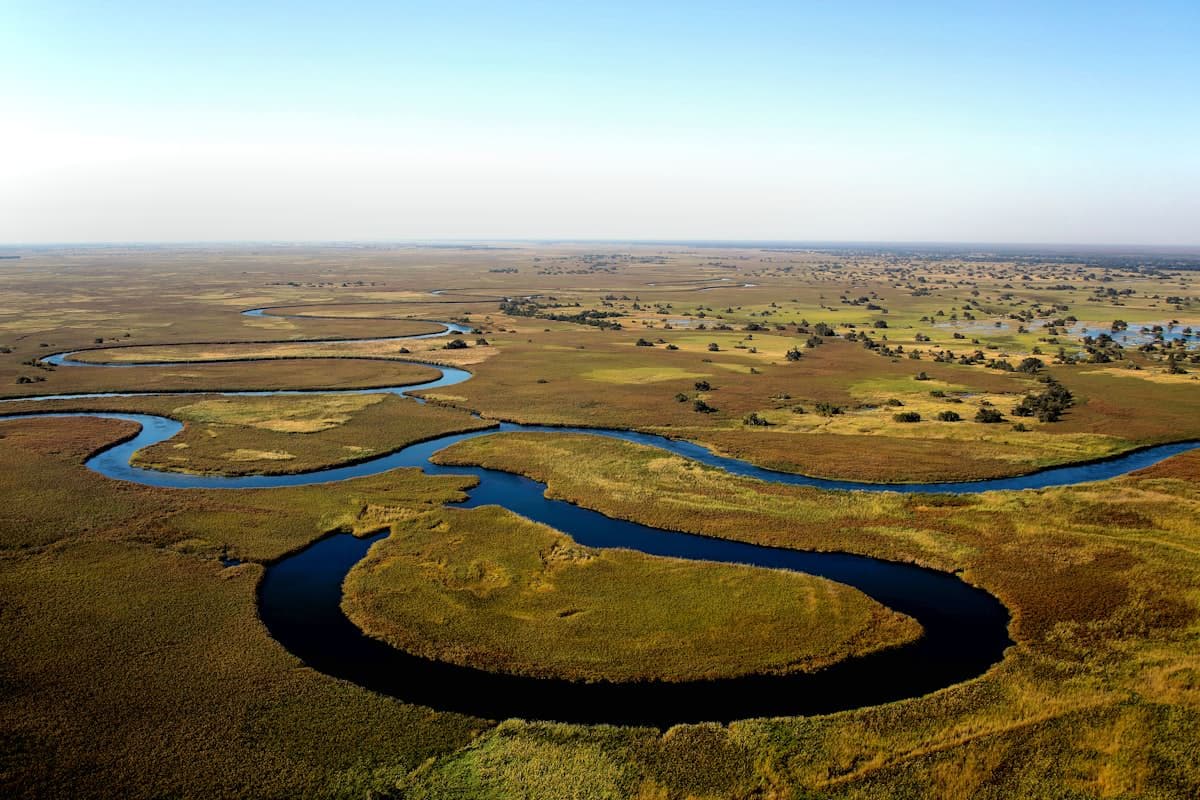
The dry season from May to October is generally considered the prime time for wildlife viewing, as animals congregate around shrinking water sources and vegetation thins, making sightings easier. July and August are particularly popular for the Okavango Delta when seasonal floodwaters are at their peak, creating the spectacular channels and islands the region is known for.
Setswana and English are the two official languages, with Setswana spoken as a first language by the majority of the population. English is widely used in government, business, and tourism, so most visitors will have little difficulty communicating in hotels, lodges, and urban settings.
A healthcare provider or travel medicine clinic should be consulted at least six weeks before departure. Malaria is present in the northern regions, including the Okavango Delta and Chobe, particularly during the summer wet season, and antimalarial medication is commonly recommended for visits to those areas.
Tipping is not mandatory but is warmly appreciated and forms an important part of staff income, particularly in the tourism sector. Safari lodges typically provide a communal tip box for general staff and separate envelopes for guides and trackers; a common guideline is USD 10–20 per person per day for guides, while restaurants generally expect around 10% of the bill if a service charge has not already been included.