Attraction in Eritrea
Asmara Modernist City
UNESCO World Heritage
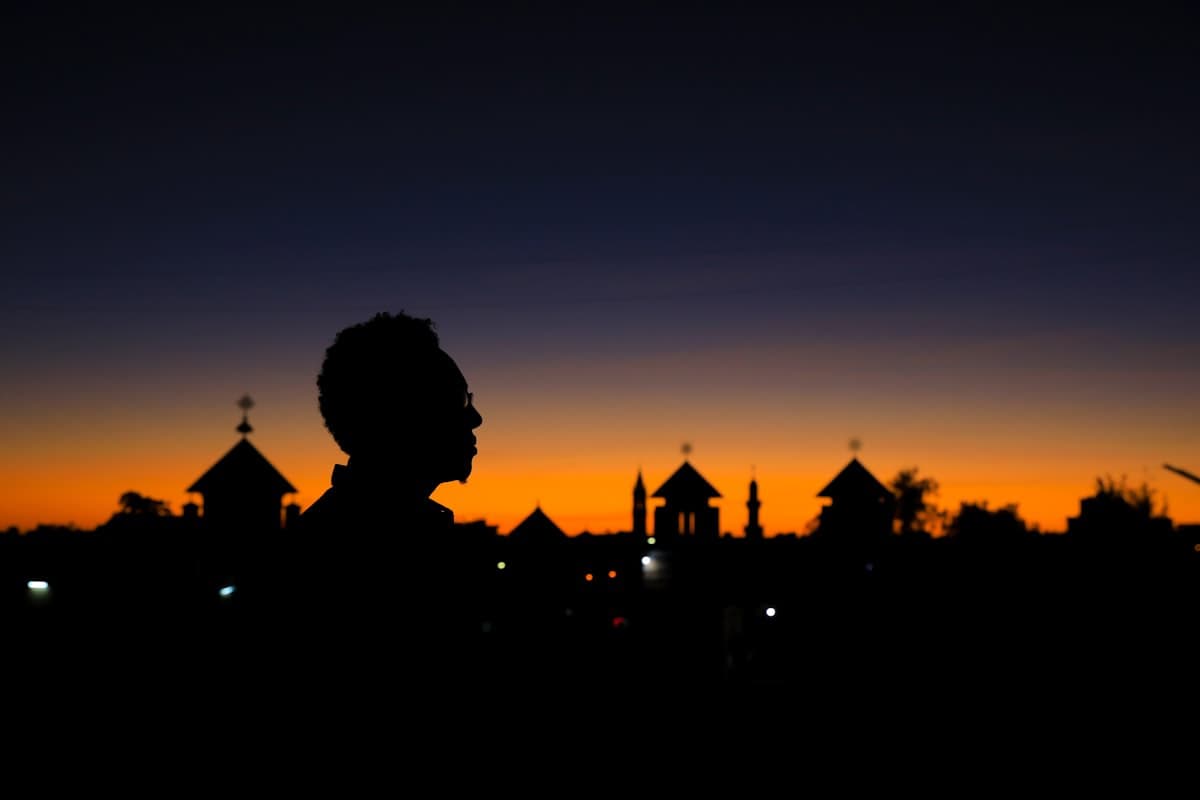
Inscribed on the UNESCO World Heritage List in 2017, Asmara's historic centre contains one of the most intact collections of early 20th-century modernist and rationalist architecture anywhere in the world. The city was largely built between 1935 and 1941, when Italian colonial planners applied futurist, Art Deco, and rationalist idioms to everything from government buildings and cinemas to churches and mosques. Walking the central grid, visitors encounter a coherent urban landscape that feels both European and distinctly East African.
Wise
Your bank marks up every USD you spend in Eritrea. Wise doesn't.
- No foreign transaction fees
- Free ATM withdrawals up to your limit
- Pay in local currency at the real rate
4.8 ★ App Store·4.8 ★ Google Play
Airalo eSIM
Your phone plan was built for home. This one was built for Eritrea.
- No SIM swapping
- No data roaming charges
- Active in minutes
4.7 ★ App Store·4.6 ★ Google Play
Travel Guide
Frequently Asked Questions About Visiting Eritrea
Entry requirements vary by passport. Check the requirements for your specific passport on the Eritrea page at Yoogo.
Eritrea's currency is the Nakfa (ERN). The country operates almost entirely on cash, and international bank cards do not work in ATMs, so visitors must bring sufficient foreign currency (US dollars are widely accepted for exchange) before arrival.
Eritrea is generally considered calm in its main tourist areas, including Asmara, Massawa, and Keren. Conditions can change, and travellers should consult their government's official travel advisory before departure for the most current guidance.
Within Asmara, shared minibuses and street-hailed taxis cover the city at low cost, with fares negotiated before boarding as there are no meters. For intercity travel, long-distance buses and shared taxis connect Asmara to towns such as Massawa and Keren, though journey times can be long on mountain roads.
The most comfortable months to visit are October to April, when temperatures in the highlands around Asmara are mild and rainfall is low. The coastal areas around Massawa are hot year-round, with the Red Sea calmer and more suitable for island excursions during the dry season from October to April.
Tigrinya, Arabic, and English serve as the three working languages of Eritrea, alongside a number of other national languages including Tigre, Afar, Kunama, and Saho. English is used in government and education, and visitors will find it spoken in hotels, travel agencies, and among younger Eritreans in Asmara.
Travellers are generally advised to be up to date on routine vaccinations and to consider hepatitis A, typhoid, and polio vaccines before visiting. Proof of yellow fever vaccination is required for those arriving from countries with a risk of yellow fever transmission, and antimalarial medication may be recommended depending on itinerary and season.
Tipping is not a deeply established custom in Eritrea but is appreciated in tourist-oriented restaurants and by guides or drivers. Rounding up the bill or leaving a small amount is a courteous gesture, though there is no fixed expected percentage.
Local SIM cards are available in Eritrea but can be difficult to obtain as a visitor, with limited connectivity infrastructure outside Asmara. International eSIM providers offering regional data plans for Eritrea are available and can be set up before departure via providers such as Airalo, allowing travellers to connect on arrival.