←All destinations
Travel Guide
Visiting Guinea
Select your passport to instantly check if you need a visa.
Discover
Top Attractions in Guinea
The most iconic and unmissable experiences this country has to offer.
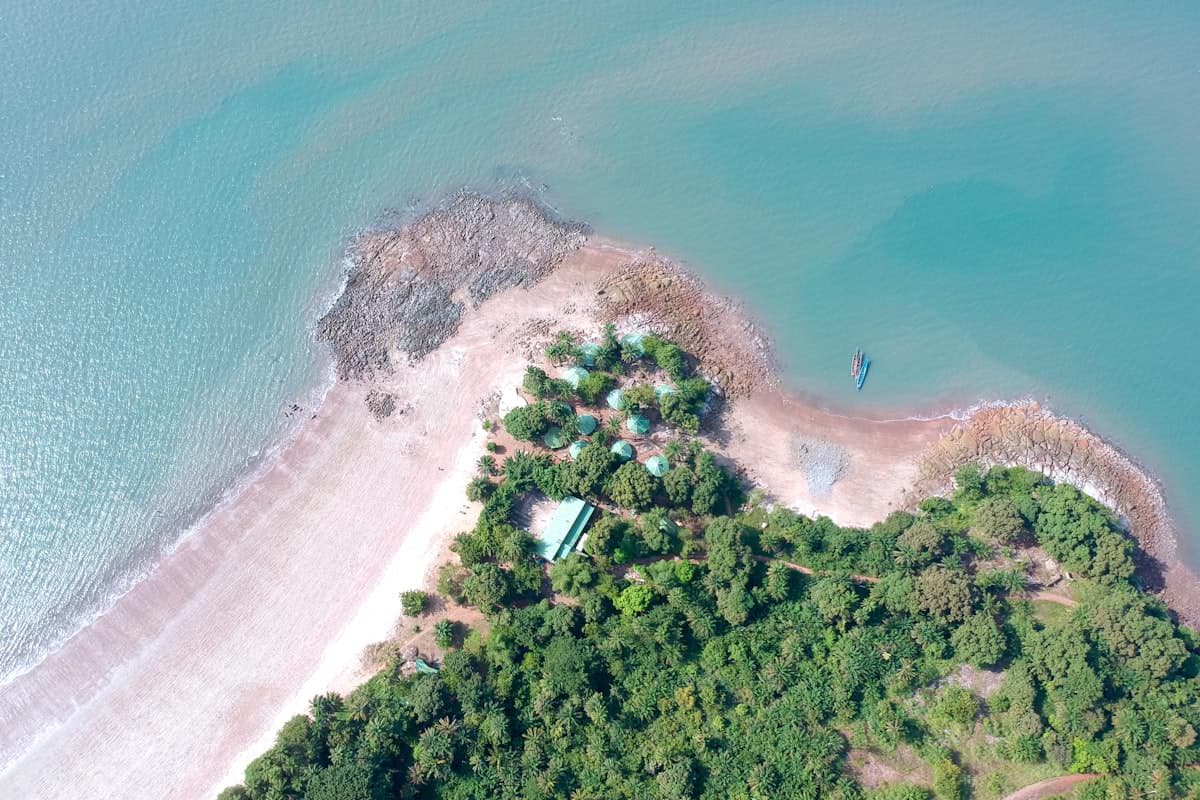
Iles de Los
This small cluster of islands lies just off the coast of Conakry, within easy reach by boat. Travellers come for the calm beaches, clear water, and a relaxed pace that contrasts with the busy capital. The islands are a popular weekend escape for swimming and quiet coastal walks.
Fouta Djallon Highlands
Often called the water tower of West Africa, this highland plateau is a patchwork of cool green valleys, red-rock canyons, and powerful waterfalls. It is the heart of Guinea's hiking country, with trails linking traditional Fulani villages. The region is the source of several major rivers, including the Niger.
UNESCO World Heritage
Mount Nimba Strict Nature Reserve
A UNESCO World Heritage site straddling Guinea's southeastern border, this reserve protects exceptional biodiversity across its forested slopes. It shelters rare species including chimpanzees and the endemic Nimba toad. Guided hikes lead to panoramic views from the higher ground.
Wise
Your bank marks up every USD you spend in Guinea. Wise doesn't.
- No foreign transaction fees
- Free ATM withdrawals up to your limit
- Pay in local currency at the real rate
4.8 ★ App Store·4.8 ★ Google Play
Airalo eSIM
Your phone plan was built for home. This one was built for Guinea.
- No SIM swapping
- No data roaming charges
- Active in minutes
4.7 ★ App Store·4.6 ★ Google Play
Health & Safety
Health & Emergency Info
Before You Travel
Before you travel check that: your destination can provide the healthcare you may need you have appropriate travel insurance for local treatment or unexpected medical evacuation This is particularly important if you have a health condition or are pregnant. Emergency medical numbers In remote areas you will have to arrange local transport. In Conakry, call local clinics. Clinique Pasteur: +224 621 35 01 01 or +224 664 26 98 53 International Clinic: +224 654 05 55 55 or +224 654 09 99 99 Clinique Ambroise Paré: +224 631 40 10 40 Hôpital de l’Amitié Sino-Guinéenne: +224 621 08 88 62 Contact your
Full health advice (FCDO) →Emergency Numbers
Police117
Ambulance18
Fire442020
Health information sourced from UK FCDO. Always consult a travel health professional before departure.
Practical Info
Travel Essentials
Travel Guide
Frequently Asked Questions About Visiting Guinea
Entry requirements depend on your passport nationality. Check your specific requirements on the Guinea destination page at Yoogo before you book.
The currency is the Guinean franc (GNF), and Guinea remains very much a cash economy. Card acceptance is limited to some larger hotels and businesses in Conakry, so carry enough cash for daily spending and exchange money at banks or reputable bureaux. ATMs exist in the capital but can be unreliable, so it is wise not to depend on them outside major centres.
Guinea is generally welcoming, though travellers should stay alert to petty theft in busy areas and avoid political gatherings, which can turn disruptive. Road conditions and night-time travel are common concerns, so plan journeys for daylight where possible. Check your government's current travel guidance before and during your trip.
Most travel between towns is by shared taxi (taxi-brousse) and minibus, while shared taxis and motorbike taxis handle shorter trips within cities. Roads vary widely in quality and journeys can take longer than distances suggest, particularly in the rainy season. Hiring a vehicle with a local driver is a popular option for reaching more remote waterfalls and reserves.
The most comfortable period runs from November to March, during the dry season, when roads are more passable and the weather is easier for travelling. The waterfalls of the Fouta Djallon are at their fullest towards the start of the dry season after the rains. The wet season, from around June to October, brings heavy rainfall that can make rural routes difficult.
French is the official language and is used in government, business, and education, while Fula (Pular), Maninka, and Susu are among the most widely spoken local languages. English is not commonly spoken outside some hotels and tour operators in Conakry. Learning a few French phrases will go a long way and is much appreciated by locals.
Guinea is a yellow fever risk area, and proof of vaccination is commonly required for entry, so consult a travel health clinic well before departure. Malaria is present throughout the country, so discuss antimalarial medication and bring insect repellent. Drink bottled or treated water and review routine and recommended vaccinations with a medical professional.
Tipping is not deeply ingrained but is increasingly welcomed, particularly in tourist-facing settings. In restaurants, rounding up the bill or leaving around five to ten percent is a kind gesture, and small tips for guides and drivers are appreciated for good service. Always tip in the local currency where you can.