←Iraq travel guide
Nineveh Governorate, Iraq
Mosul
Iraq's northern crossroads, where Assyrian heritage lines the Tigris
ArchitectureCultureHistory & Heritage
Mosul sits on the west bank of the Tigris in northern Iraq, directly across from the ancient Assyrian site of Nineveh, and has served for millennia as a major commercial and cultural hub for the region. Ongoing reconstruction efforts are restoring historic mosques and market streets that reflect the city's diverse ethnic and religious heritage.
Check Iraq visa requirements →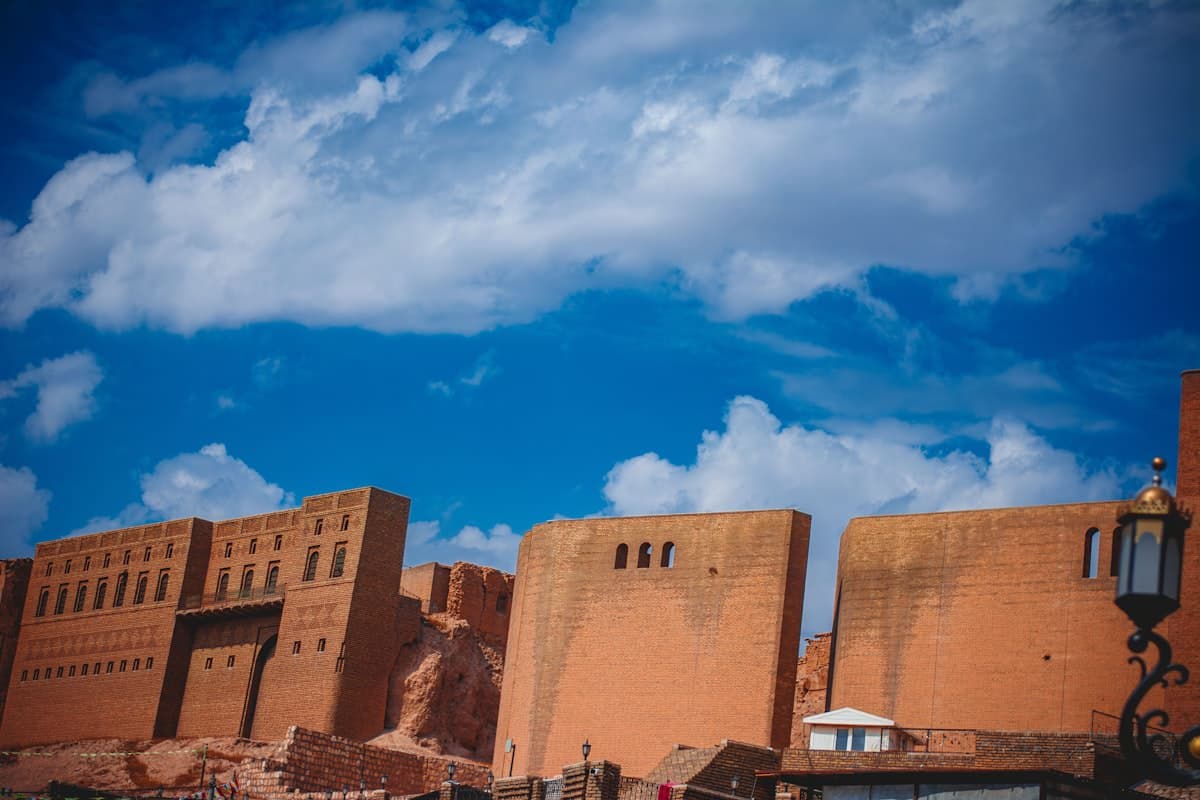
Best time to visit
March to May and October to November
Region
Nineveh Governorate
Main airport
Mosul OSM (OSM)
Beyond the City
Day Trips from Mosul
UNESCO World HeritageHistory
Hatra
Hatra is a remarkably preserved Parthian city in the Nineveh plains of northern Iraq, enclosed by concentric defensive walls reinforced by more than 160 towers. Founded between the 3rd and 2nd centuries BC, it flourished as a trading and religious centre whose temples blended Greek, Mesopotamian, and Arabian artistic traditions in a style entirely its own. A UNESCO World Heritage Site since 1985, Hatra's monumental temple complex and sculptural remains provide an extraordinary window into the ancient caravan world.
UNESCO World Heritage
Wise
Your bank marks up every USD you spend in Iraq. Wise doesn't.
- No foreign transaction fees
- Free ATM withdrawals up to your limit
- Pay in local currency at the real rate
4.8 ★ App Store·4.8 ★ Google Play
Airalo eSIM
Your phone plan was built for home. This one was built for Iraq.
- No SIM swapping
- No data roaming charges
- Active in minutes
4.7 ★ App Store·4.6 ★ Google Play
Plan Your Trip
Getting Around Mosul
Tours, stays, transfers, and flights — curated partner options are on the way.
Tours & Activities
Skip-the-line tickets, guided tours, and day experiences — curated partner options are on the way.
Coming soonWhere to Stay
Hotels, apartments, and guesthouses across every neighbourhood — booking options are on the way.
Coming soonAirport Transfers
Private and shared rides between the airport and the city centre — partner options are on the way.
Coming soonFlights
Compare fares from hundreds of airlines to find the best route in — search options are on the way.
Coming soonTravel Guide
Frequently Asked Questions About Visiting Iraq
Entry requirements vary by passport. Check the requirements for your specific passport on the Iraq page at Yoogo.
Iraq uses the Iraqi dinar (IQD), and cash remains the dominant form of payment throughout the country. ATMs exist in major cities such as Baghdad, Erbil, and Basra, though availability can be inconsistent, so carrying sufficient cash is advisable. US dollars are widely accepted for exchange and are the most practical foreign currency to bring.
Conditions vary significantly by region, and the situation can change rapidly. The Kurdistan Region in the north has a distinct security profile from central and southern Iraq. Always consult your government's official travel advisory before booking and register with your embassy upon arrival.
Private taxis and app-based ride services such as Careem are the most practical way to move within cities, and shared taxis (known as service taxis) operate between towns. There is no reliable national rail network for tourists. For intercity travel, hiring a private driver through a tour operator is commonly recommended.
Spring (March to May) and autumn (October to November) offer the most comfortable temperatures, typically ranging from 15°C to 30°C across central and southern Iraq. Summer months (June to September) see temperatures regularly exceeding 45°C in Baghdad and the south, making outdoor sightseeing very demanding. The Kurdistan mountains are cooler in summer and can be visited year-round, though mountain passes may be affected by snow in winter.
Arabic and Kurdish are the two official languages of Iraq; Turkmen and Syriac are also spoken by significant communities. English is understood in hotels, tour agencies, and among educated professionals in the major cities, particularly in Erbil. Outside tourist contexts, a few phrases of Arabic or Kurdish are warmly appreciated by locals.
The CDC and equivalent health authorities recommend being up to date on routine vaccinations and considering additional doses for hepatitis A, typhoid, and polio before travelling to Iraq. A low risk of malaria exists in some rural northern areas from May to November, so consult a travel health clinic at least four to six weeks before departure. Drink only bottled or treated water throughout the country.
Tipping is appreciated but not obligatory in most settings. In restaurants, rounding up the bill or leaving around 10% is customary where service is not included. Hotel porters and housekeeping staff appreciate a small gratuity, and tipping local guides is warmly encouraged.