←All destinations
Travel Guide
Visiting Iraq
Select your passport to instantly check if you need a visa.
Do Not Travel
UK FCDO: Regional escalation Regional escalation poses significant security risks and has led to travel disruption. Iran continues to strike civilian infrastructure across the region such as hotels, roads, bridges, energy facilities, oil production sites, water systems, and airports. British nationals should: read If you’re affected by a crisis abroad - GOV.UK. This includes guidance on “how to prepare for a crisis” with suggestions on what you might include in your emergency supplies and “what to do in
Updated 2026-03-15
Discover
Top Attractions in Iraq
The most iconic and unmissable experiences this country has to offer.
UNESCO World Heritage
Babylon
The ruins of ancient Babylon, 85 kilometres south of Baghdad, stand as one of the most storied archaeological sites in the world, encompassing the remains of palaces, processional ways, and the celebrated Ishtar Gate. Once the capital of the Neo-Babylonian Empire under Nebuchadnezzar II, the city is now a UNESCO World Heritage Site inscribed in 2019. Visitors can walk the reconstructed Processional Street, see the iconic Lion of Babylon statue, and explore the excavated foundations of structures dating back more than 4,000 years.
UNESCO World Heritage
Erbil Citadel
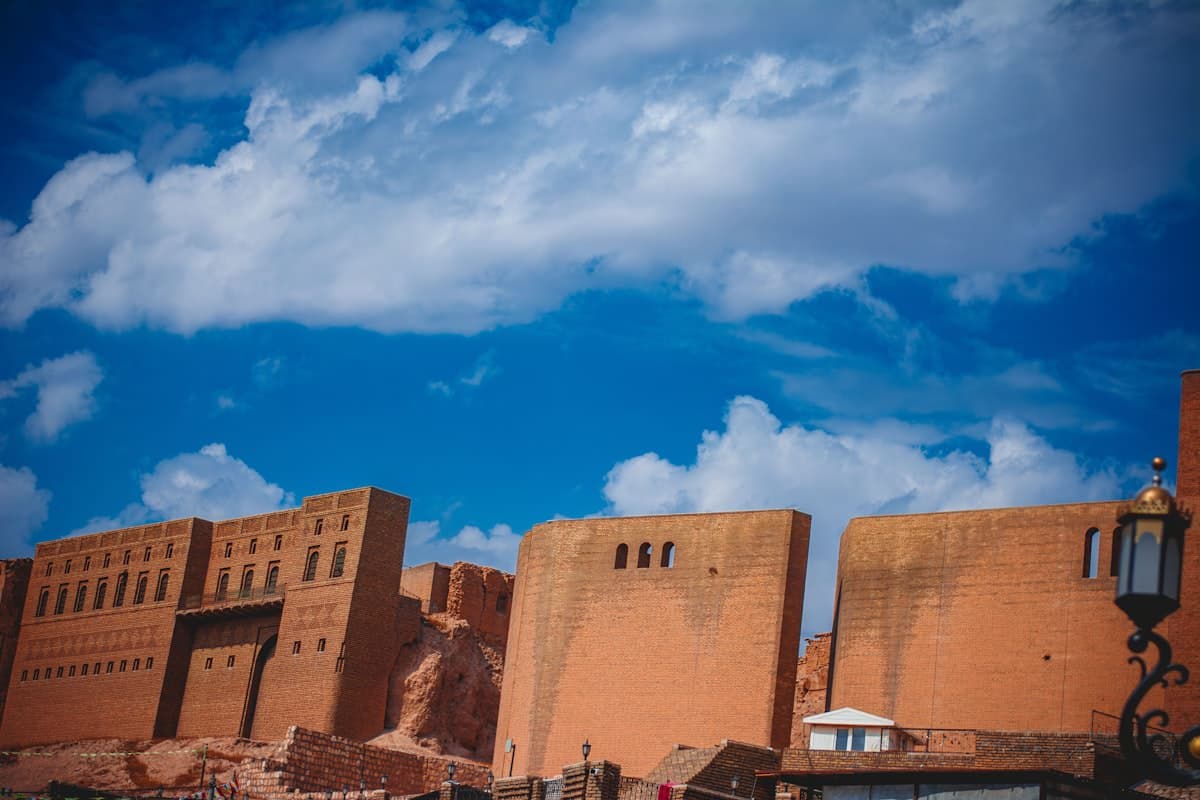
Rising dramatically above the city of Erbil on a natural tell shaped by thousands of years of human settlement, this UNESCO-listed fortified mound is considered one of the oldest continuously inhabited sites on earth. The oval hilltop is ringed by 19th-century facades that conceal deep archaeological layers reaching back at least 6,000 years. Wandering the citadel's narrow lanes and visiting its small museums offers a vivid sense of the deep human continuity of the Kurdish heartland.
Wise
Your bank marks up every USD you spend in Iraq. Wise doesn't.
- No foreign transaction fees
- Free ATM withdrawals up to your limit
- Pay in local currency at the real rate
4.8 ★ App Store·4.8 ★ Google Play
Airalo eSIM
Your phone plan was built for home. This one was built for Iraq.
- No SIM swapping
- No data roaming charges
- Active in minutes
4.7 ★ App Store·4.6 ★ Google Play
Health & Safety
Health & Emergency Info
Before You Travel
Before you travel check that: your destination can provide the healthcare you may need you have appropriate travel insurance for local treatment or unexpected medical evacuation This is particularly important if you have a health condition or are pregnant. Emergency medical number Call 122 and ask for an ambulance. Contact your insurance company quickly if you’re referred to a medical facility for treatment. Vaccine recommendations and health risks At least 8 weeks before your trip: check the latest vaccine recommendations for Iraq see where to get vaccines and whether you have to pay on the N
Full health advice (FCDO) →Emergency Numbers
Police104
Ambulance122
Fire115
Health information sourced from UK FCDO. Always consult a travel health professional before departure.
Practical Info
Travel Essentials
Travel Guide
Frequently Asked Questions About Visiting Iraq
Entry requirements vary by passport. Check the requirements for your specific passport on the Iraq page at Yoogo.
Iraq uses the Iraqi dinar (IQD), and cash remains the dominant form of payment throughout the country. ATMs exist in major cities such as Baghdad, Erbil, and Basra, though availability can be inconsistent, so carrying sufficient cash is advisable. US dollars are widely accepted for exchange and are the most practical foreign currency to bring.
Conditions vary significantly by region, and the situation can change rapidly. The Kurdistan Region in the north has a distinct security profile from central and southern Iraq. Always consult your government's official travel advisory before booking and register with your embassy upon arrival.
Private taxis and app-based ride services such as Careem are the most practical way to move within cities, and shared taxis (known as service taxis) operate between towns. There is no reliable national rail network for tourists. For intercity travel, hiring a private driver through a tour operator is commonly recommended.
Spring (March to May) and autumn (October to November) offer the most comfortable temperatures, typically ranging from 15°C to 30°C across central and southern Iraq. Summer months (June to September) see temperatures regularly exceeding 45°C in Baghdad and the south, making outdoor sightseeing very demanding. The Kurdistan mountains are cooler in summer and can be visited year-round, though mountain passes may be affected by snow in winter.
Arabic and Kurdish are the two official languages of Iraq; Turkmen and Syriac are also spoken by significant communities. English is understood in hotels, tour agencies, and among educated professionals in the major cities, particularly in Erbil. Outside tourist contexts, a few phrases of Arabic or Kurdish are warmly appreciated by locals.
The CDC and equivalent health authorities recommend being up to date on routine vaccinations and considering additional doses for hepatitis A, typhoid, and polio before travelling to Iraq. A low risk of malaria exists in some rural northern areas from May to November, so consult a travel health clinic at least four to six weeks before departure. Drink only bottled or treated water throughout the country.
Tipping is appreciated but not obligatory in most settings. In restaurants, rounding up the bill or leaving around 10% is customary where service is not included. Hotel porters and housekeeping staff appreciate a small gratuity, and tipping local guides is warmly encouraged.