←All destinations
Travel Guide
Visiting Kenya
Select your passport to instantly check if you need a visa.
Avoid Some Regions
UK FCDO: Your travel insurance could be invalidated if you travel against advice from the Foreign, Commonwealth & Development Office (FCDO).
Updated 2026-02-19
Discover
Top Attractions in Kenya
The most iconic and unmissable experiences this country has to offer.
Amboseli National Park
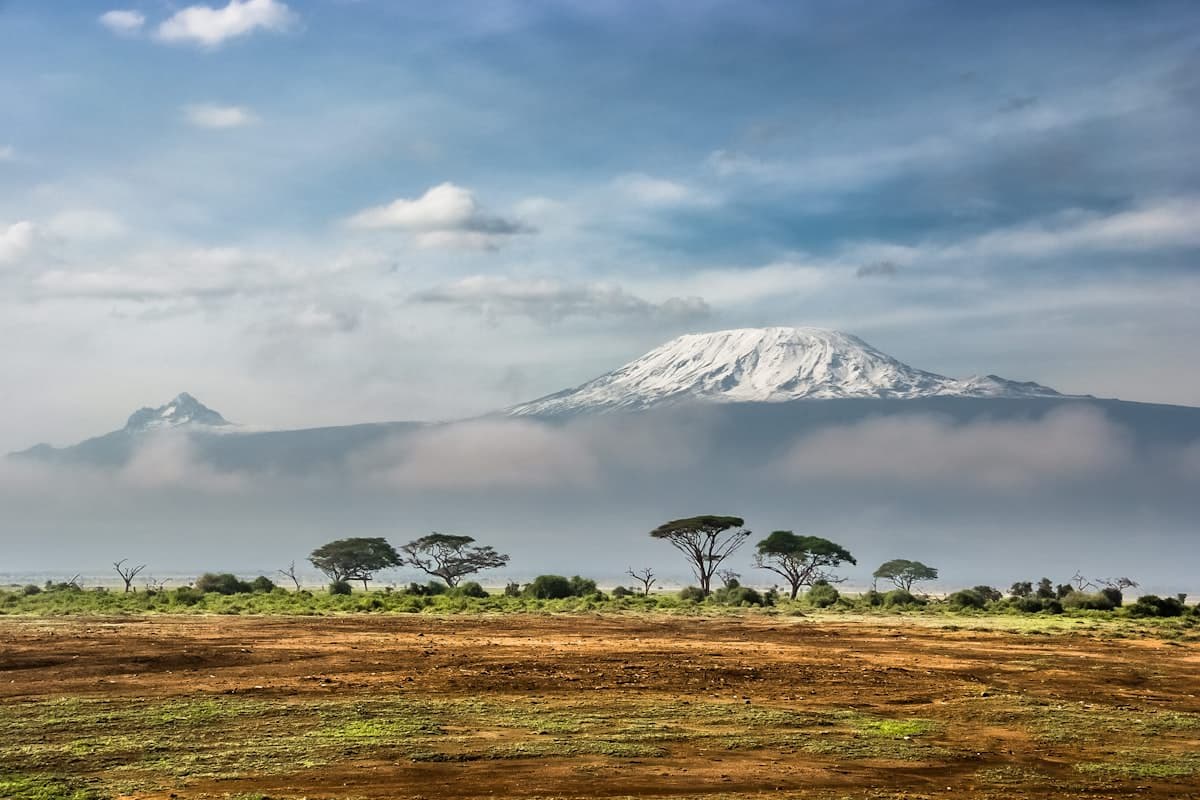
Amboseli offers one of Africa's most iconic vistas: vast elephant herds moving across open plains with the snow-capped summit of Mount Kilimanjaro rising beyond the Tanzanian border. The park's swamps, fed by meltwater from the mountain, attract hippos and over 600 bird species alongside resident lions, cheetahs, and buffaloes. It is widely regarded as the best place in Africa to observe and photograph free-ranging elephants at close range.
UNESCO World Heritage
Fort Jesus, Mombasa
Built by the Portuguese in 1593 to guard the Old Port of Mombasa, Fort Jesus is a UNESCO World Heritage Site and one of the finest surviving examples of 16th-century Portuguese military architecture in the world. The fort changed hands nine times between Portuguese, Arab, and British forces over nearly 250 years of conflict, and today houses a museum displaying Portuguese cannons, Chinese porcelain recovered from shipwrecks, and exhibits chronicling the Swahili coast's role in the Indian Ocean trade network.
Wise
Your bank marks up every USD you spend in Kenya. Wise doesn't.
- No foreign transaction fees
- Free ATM withdrawals up to your limit
- Pay in local currency at the real rate
4.8 ★ App Store·4.8 ★ Google Play
Airalo eSIM
Your phone plan was built for home. This one was built for Kenya.
- No SIM swapping
- No data roaming charges
- Active in minutes
4.7 ★ App Store·4.6 ★ Google Play
Health & Safety
Health & Emergency Info
Before You Travel
Before you travel check that: your destination can provide the healthcare you may need you have appropriate travel insurance for local treatment or unexpected medical evacuation This is particularly important if you have a health condition or are pregnant. Emergency medical number Dial 999 and ask for an ambulance. Contact your insurance company quickly if you’re referred to a medical facility for treatment. Vaccine recommendations and health risks At least 8 weeks before your trip: check the latest vaccine recommendations for Kenya see where to get vaccines and whether you have to pay on the
Full health advice (FCDO) →Emergency Numbers
Police999
Ambulance999
Fire999
Health information sourced from UK FCDO. Always consult a travel health professional before departure.
Practical Info
Travel Essentials
Travel Guide
Frequently Asked Questions About Visiting Kenya
Entry requirements vary by passport; check your specific requirements on the Kenya destination page at Yoogo.
Kenya uses the Kenyan Shilling (KES). Currency exchange is available at airports and major banks on arrival. Credit cards are accepted at hotels and larger restaurants in cities, but carrying local cash is essential for smaller towns, markets, and rural areas. US Dollar notes printed before 2006 are widely refused, so bring newer bills if exchanging USD.
Kenya is a popular destination, though travellers should exercise increased caution. Violent crime, including carjacking and mugging, can occur, particularly after dark. Avoid travelling at night where possible, stay alert in crowded areas, and keep valuables out of sight. The Kenya-Somalia border counties and parts of the northern coast carry higher risk and are best avoided. Most tourist areas, including Nairobi, Mombasa, and the safari reserves, are visited safely with sensible precautions.
Domestic flights connect Nairobi to major reserves and coastal towns and are the most efficient option for longer distances. Matatus (minibuses) are the main form of local public transport and are cheap but can be crowded. Long-distance buses and shared taxis cover routes between cities. Car hire with a driver is recommended for safari trips and rural areas. Ride-hailing apps such as Bolt and Uber operate in Nairobi and Mombasa.
The dry seasons, from late June to October and from January to February, are generally considered the best times to visit. Wildlife viewing is at its peak during the dry months when animals congregate around water sources. The Great Wildebeest Migration through the Maasai Mara typically runs from July to October. Kenya has two rainy seasons: the long rains from March to May and the short rains from October to December.
Kenya's two official languages are Swahili (Kiswahili) and English. English is widely spoken in cities, tourist areas, hotels, and government offices. Swahili is the national lingua franca used across the country. Learning a few basic Swahili phrases, such as 'Jambo' (hello) and 'Asante' (thank you), is warmly appreciated by locals.
A valid Yellow Fever vaccination certificate is required for entry into Kenya. Additional vaccinations strongly recommended by travel health specialists include hepatitis A and B, typhoid, and tetanus. Kenya is a malaria-endemic country, so antimalarial medication is advisable; consult your doctor before travelling. Carry mosquito repellent and consider a mosquito net for stays in rural or coastal areas. Access to medical care outside major cities is limited, so comprehensive travel and medical evacuation insurance is strongly advised.