←New Zealand travel guide
Otago, New Zealand
Queenstown
Adventure capital on the shores of a mountain lake
AdventureNature & OutdoorsScenic Views
Queenstown draws nearly two million visitors a year to its spectacular lakeside setting below the Remarkables mountain range. It invented bungy jumping and remains the place to throw yourself off things, but it also offers excellent skiing in winter, fine dining, wine country day trips, and boat journeys through the dramatic Fiordland landscapes nearby.
Check New Zealand visa requirements →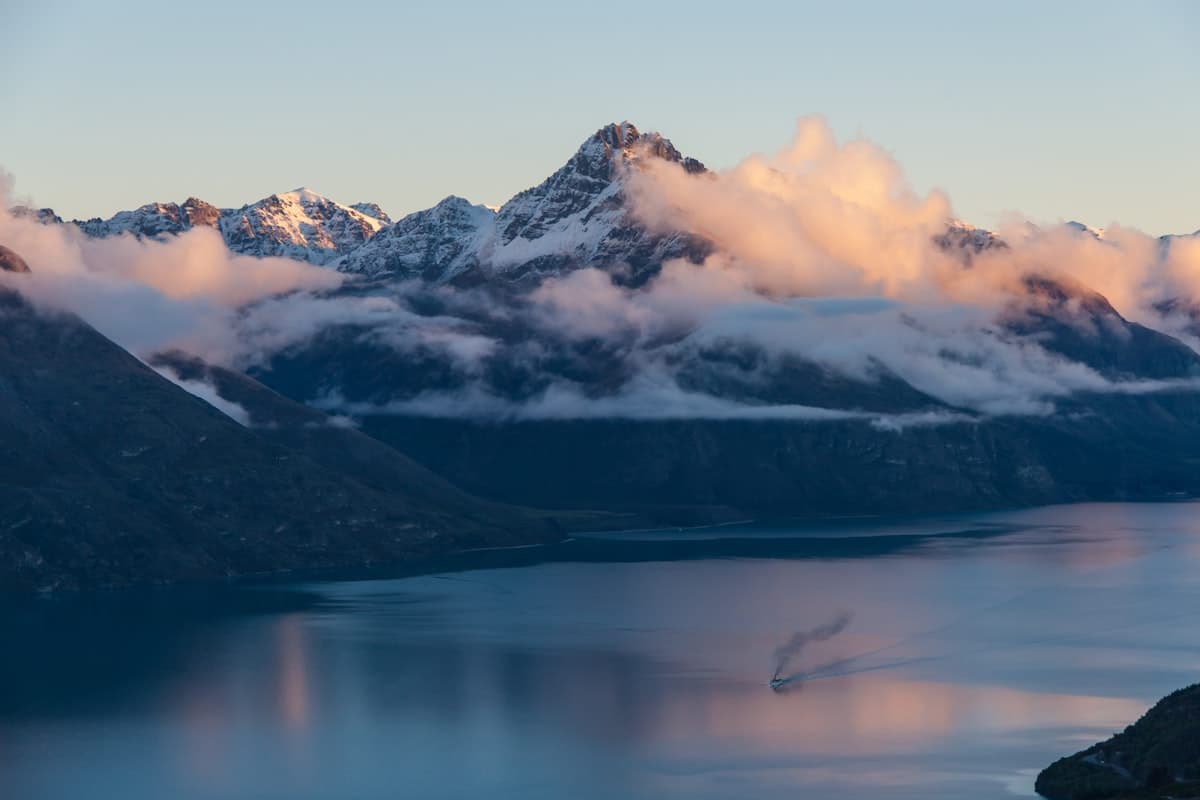
Best time to visit
December to February (summer) and June to August (ski season)
Region
Otago
Main airport
Queenstown ZQN (ZQN)
Beyond the City
Day Trips from Queenstown
UNESCO World HeritageNature
Milford Sound
This dramatic fiord in Fiordland National Park cuts 15 kilometres inland from the Tasman Sea, flanked by sheer rock faces rising over 1,200 metres. Rudyard Kipling called it the eighth Wonder of the World. Permanent waterfalls cascade down the cliffs year-round, and the waters are home to bottlenose dolphins, fur seals, and Fiordland penguins. Most visitors arrive on day cruises from Queenstown or Te Anau.
UNESCO World Heritage
Wise
Your bank marks up every USD you spend in New Zealand. Wise doesn't.
- No foreign transaction fees
- Free ATM withdrawals up to your limit
- Pay in local currency at the real rate
4.8 ★ App Store·4.8 ★ Google Play
Airalo eSIM
Your phone plan was built for home. This one was built for New Zealand.
- No SIM swapping
- No data roaming charges
- Active in minutes
4.7 ★ App Store·4.6 ★ Google Play
Plan Your Trip
Getting Around Queenstown
Tours, stays, transfers, and flights — curated partner options are on the way.
Tours & Activities
Skip-the-line tickets, guided tours, and day experiences — curated partner options are on the way.
Coming soonWhere to Stay
Hotels, apartments, and guesthouses across every neighbourhood — booking options are on the way.
Coming soonAirport Transfers
Private and shared rides between the airport and the city centre — partner options are on the way.
Coming soonFlights
Compare fares from hundreds of airlines to find the best route in — search options are on the way.
Coming soonTravel Guide
Frequently Asked Questions About Visiting New Zealand
Entry requirements depend on your passport. Check your specific requirements on the New Zealand page at Yoogo.
New Zealand uses the New Zealand dollar (NZD). Credit and debit cards are widely accepted at most shops, restaurants, and tourist attractions. ATMs are readily available in cities and larger towns. It is worth carrying some cash for smaller rural businesses and markets.
New Zealand maintains relatively low crime rates and consistently ranks among the least corrupt countries in the world. Standard travel precautions apply. Be aware of natural hazards including earthquakes and volcanic activity, as the country sits on the Pacific Ring of Fire. Always follow local guidance in geothermal areas such as Rotorua.
A rental car is almost essential outside major cities, as public transport between regional areas is limited. Traffic moves on the left. Most intercity driving is on undivided highways with one lane in each direction, so allow more time than you might expect. Coach services connect major destinations at affordable prices, and domestic flights link key cities, though they can be expensive. Ferries cross between the North and South Islands.
New Zealand experiences four seasons, with summer running December–February and winter June–August. Summer offers the longest daylight hours and is ideal for hiking and outdoor activities. The Christmas to New Year period is very busy and accommodation in popular areas books out months in advance. Spring (September–November) and autumn (March–May) offer pleasant weather with fewer crowds.
English is the primary language, spoken by nearly the entire population. Maori (te reo Maori) is an official language and you will encounter Maori place names and words throughout the country. Note that 'wh' in Maori is typically pronounced as 'f', so Whakatane sounds like 'fa-ka-ta-nee'. New Zealanders also use distinctive local slang: 'tramping' means hiking, 'jandals' are flip-flops, and 'togs' are swimwear.
No vaccinations are required to enter New Zealand. Standard up-to-date immunisations are recommended. Healthcare is of a high standard, though medical costs for visitors can be significant, so comprehensive travel insurance is strongly advised. Declare all medicines at the border, particularly any quantity exceeding a three-month supply.
Tipping is not customary or expected in New Zealand. Service charges are not added to bills. That said, leaving a small tip for exceptional service is welcomed, particularly in restaurants and for tour guides, but it is entirely at your discretion.