Attraction in Norway
Vigeland Sculpture Park, Oslo
Vigeland Sculpture Park in Frogner, Oslo, is the world's largest sculpture installation by a single artist, containing more than 200 bronze, granite, and wrought-iron figures created by Gustav Vigeland over several decades. The monumental granite Monolith column at the park's centre rises 14 metres and is carved with 121 intertwined human figures. The park is open year-round at no charge and draws visitors through all four seasons.
Wise
Your bank marks up every USD you spend in Norway. Wise doesn't.
- No foreign transaction fees
- Free ATM withdrawals up to your limit
- Pay in local currency at the real rate
4.8 ★ App Store·4.8 ★ Google Play
Airalo eSIM
Your phone plan was built for home. This one was built for Norway.
- No SIM swapping
- No data roaming charges
- Active in minutes
4.7 ★ App Store·4.6 ★ Google Play
Travel Guide
Frequently Asked Questions About Visiting Norway
Entry requirements vary by passport. Check the requirements for your specific passport on the Norway page at Yoogo.
Norway uses the Norwegian krone (NOK). The country is one of the most cashless societies in the world, with card and contactless payments accepted almost universally, including in rural areas, taxis, and small cafes. It is worth carrying a small amount of cash as a backup, but most travellers manage comfortably without it.
Norway consistently ranks among the safest countries in the world, with violent crime rates well below the European average. Petty theft, including pickpocketing, can occur in central Oslo and at busy tourist sites during the summer, so standard precautions with bags and valuables are advisable. Outside the capital, crime rates are extremely low.
Norway has an integrated network of trains, long-distance buses, and ferries that connect most major destinations, with national travel planner Entur providing timetables and tickets. The Bergen Railway between Oslo and Bergen is one of Europe's most scenic rail routes. In cities, trams, buses, and light rail cover urban areas efficiently.
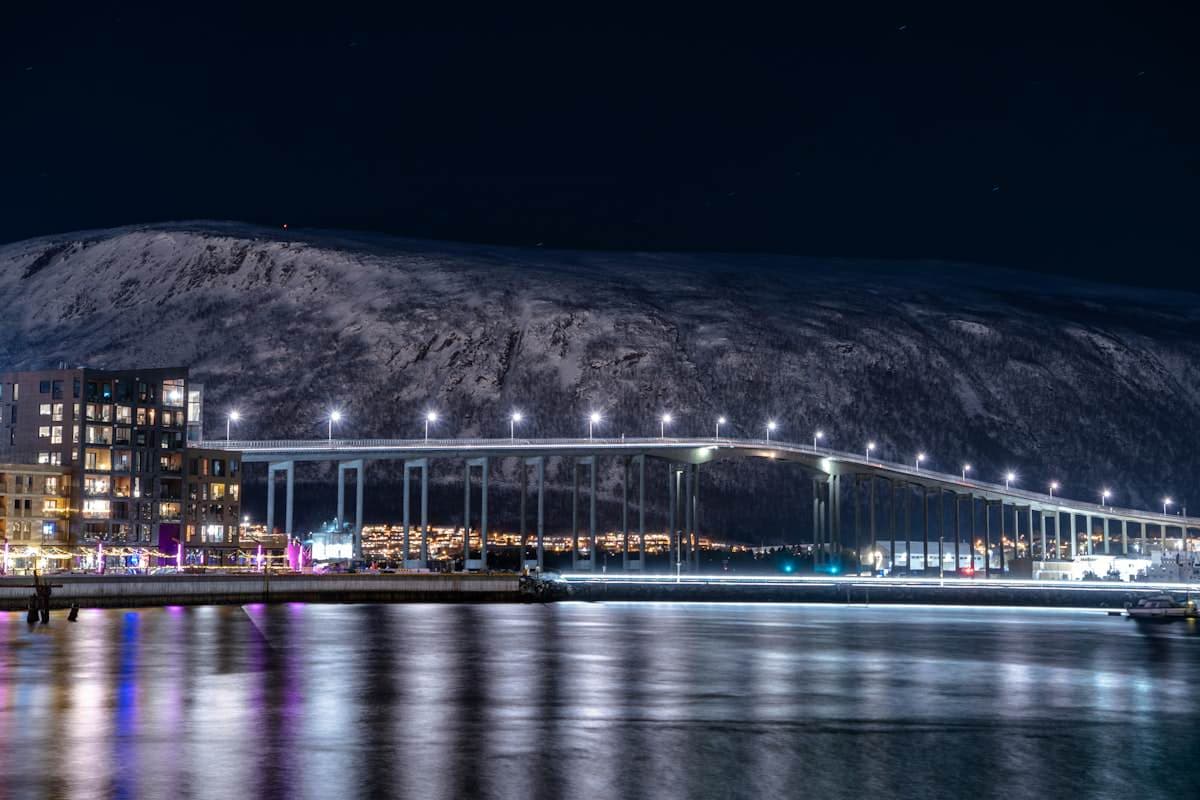
The best time to visit depends on what you want to see: summer (June to August) brings the midnight sun, long days for hiking, and comfortable temperatures for fjord travel. Winter (November to March) offers the best conditions for viewing the Northern Lights, particularly in northern cities such as Tromsø. Spring and autumn provide fewer crowds and vivid seasonal scenery.
Norway has two official written forms of Norwegian, Bokmal and Nynorsk, with Bokmal the more widely used. English is spoken to an exceptionally high standard across the country, including in rural areas, and travellers are unlikely to encounter significant language barriers. Sami languages are also spoken in northern regions.
No vaccinations are required for entry to Norway. It is advisable to be up to date on routine immunisations before travel to any country. Travellers planning extensive outdoor activities in forested areas may wish to consult a travel health clinic regarding tick-borne encephalitis, which is present in some parts of Norway.
Tipping is not a strong tradition in Norway, as service workers are paid a living wage and service charges are not routinely added to bills. Rounding up the total or leaving around 5 to 10 per cent at a restaurant for good service is appreciated but entirely optional. In cafes and for counter service, tipping is rarely practised.