←All destinations
Travel Guide
Visiting Norway
Select your passport to instantly check if you need a visa.
Discover
Top Attractions in Norway
The most iconic and unmissable experiences this country has to offer.
UNESCO World Heritage
Geirangerfjord
Geirangerfjord is a UNESCO World Heritage-listed fjord in western Norway, stretching 15 kilometres through sheer rock walls that rise up to 1,400 metres from the sea. The Seven Sisters waterfall cascades in seven separate streams down the cliffs, while abandoned farmsteads cling to near-vertical ledges above the deep green water. Cruising or kayaking the fjord reveals perspectives on scale and silence that are difficult to find anywhere else in Europe.
UNESCO World Heritage
Bryggen, Bergen
Bryggen is Bergen's medieval Hanseatic wharf, a UNESCO World Heritage Site inscribed in 1979 and one of the most visited historic precincts in Scandinavia. The row of narrow, gabled timber warehouses dates in its current form to a reconstruction after the 1702 fire, preserving the same street plan that Hanseatic merchants used from the 14th century onward. Walking the narrow alleys behind the facade reveals a layered world of small galleries, craft workshops, and archaeological remains.
Wise
Your bank marks up every USD you spend in Norway. Wise doesn't.
- No foreign transaction fees
- Free ATM withdrawals up to your limit
- Pay in local currency at the real rate
4.8 ★ App Store·4.8 ★ Google Play
Airalo eSIM
Your phone plan was built for home. This one was built for Norway.
- No SIM swapping
- No data roaming charges
- Active in minutes
4.7 ★ App Store·4.6 ★ Google Play
Health & Safety
Health & Emergency Info
Before You Travel
Before you travel check that: your destination can provide the healthcare you may need you have appropriate travel insurance for local treatment or unexpected medical evacuation This is particularly important if you have a health condition or are pregnant. Emergency medical number Dial 113 and ask for an ambulance. Contact your insurance or medical assistance company quickly if you’re referred to a medical facility for treatment. Vaccine recommendations and health risks At least 8 weeks before your trip: check the latest information vaccine recommendations for Norway see where to get vaccines
Full health advice (FCDO) →Emergency Numbers
Police112
Ambulance113
Fire110
Health information sourced from UK FCDO. Always consult a travel health professional before departure.
Practical Info
Travel Essentials
Travel Guide
Frequently Asked Questions About Visiting Norway
Entry requirements vary by passport. Check the requirements for your specific passport on the Norway page at Yoogo.
Norway uses the Norwegian krone (NOK). The country is one of the most cashless societies in the world, with card and contactless payments accepted almost universally, including in rural areas, taxis, and small cafes. It is worth carrying a small amount of cash as a backup, but most travellers manage comfortably without it.
Norway consistently ranks among the safest countries in the world, with violent crime rates well below the European average. Petty theft, including pickpocketing, can occur in central Oslo and at busy tourist sites during the summer, so standard precautions with bags and valuables are advisable. Outside the capital, crime rates are extremely low.
Norway has an integrated network of trains, long-distance buses, and ferries that connect most major destinations, with national travel planner Entur providing timetables and tickets. The Bergen Railway between Oslo and Bergen is one of Europe's most scenic rail routes. In cities, trams, buses, and light rail cover urban areas efficiently.
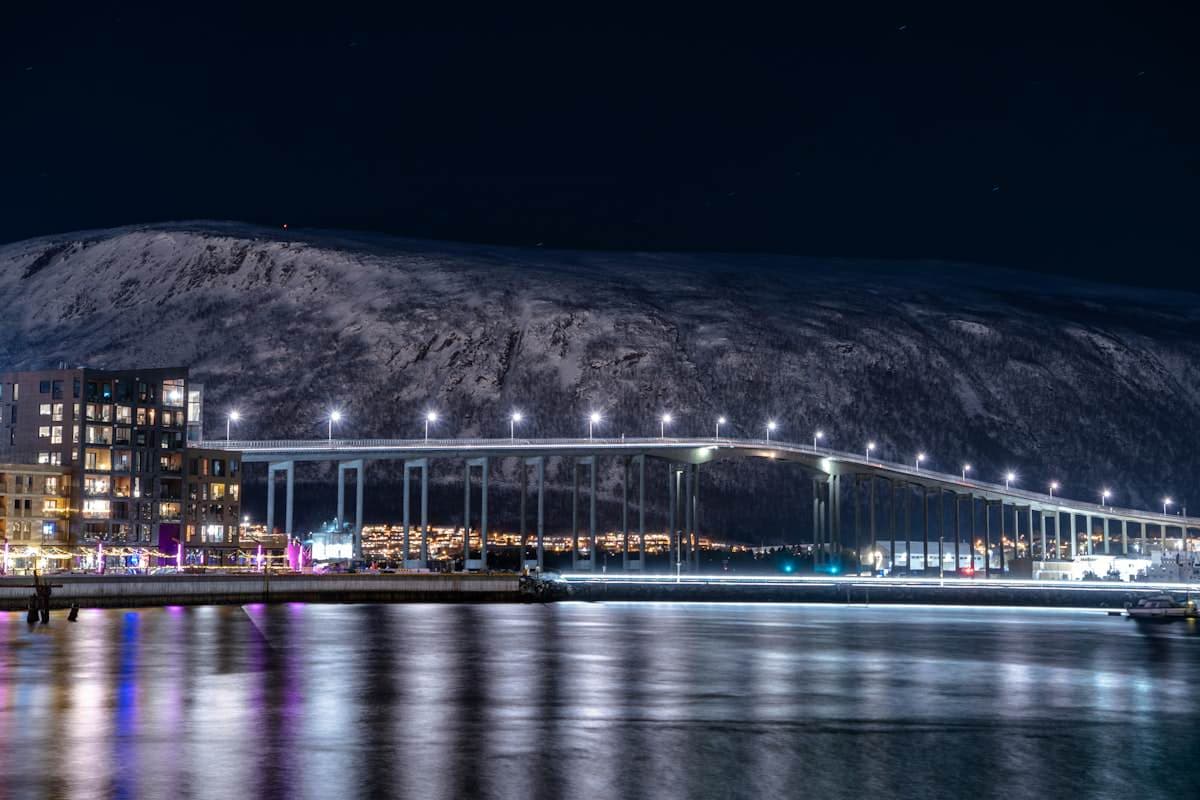
The best time to visit depends on what you want to see: summer (June to August) brings the midnight sun, long days for hiking, and comfortable temperatures for fjord travel. Winter (November to March) offers the best conditions for viewing the Northern Lights, particularly in northern cities such as Tromsø. Spring and autumn provide fewer crowds and vivid seasonal scenery.
Norway has two official written forms of Norwegian, Bokmal and Nynorsk, with Bokmal the more widely used. English is spoken to an exceptionally high standard across the country, including in rural areas, and travellers are unlikely to encounter significant language barriers. Sami languages are also spoken in northern regions.
No vaccinations are required for entry to Norway. It is advisable to be up to date on routine immunisations before travel to any country. Travellers planning extensive outdoor activities in forested areas may wish to consult a travel health clinic regarding tick-borne encephalitis, which is present in some parts of Norway.
Tipping is not a strong tradition in Norway, as service workers are paid a living wage and service charges are not routinely added to bills. Rounding up the total or leaving around 5 to 10 per cent at a restaurant for good service is appreciated but entirely optional. In cafes and for counter service, tipping is rarely practised.