←Senegal travel guide
Dakar Region, Senegal
Dakar
Africa's westernmost capital, where ocean breezes meet vibrant markets
CultureHistory & HeritageNightlife
Perched on the Cap-Vert peninsula at the far western tip of the African continent, Dakar is Senegal's political, economic, and cultural engine, home to over three million people and a thriving arts scene. The city's corniche follows the Atlantic shoreline past colonial-era architecture, busy fishing beaches, and the towering African Renaissance Monument, blending the old and the new at every turn.
Check Senegal visa requirements →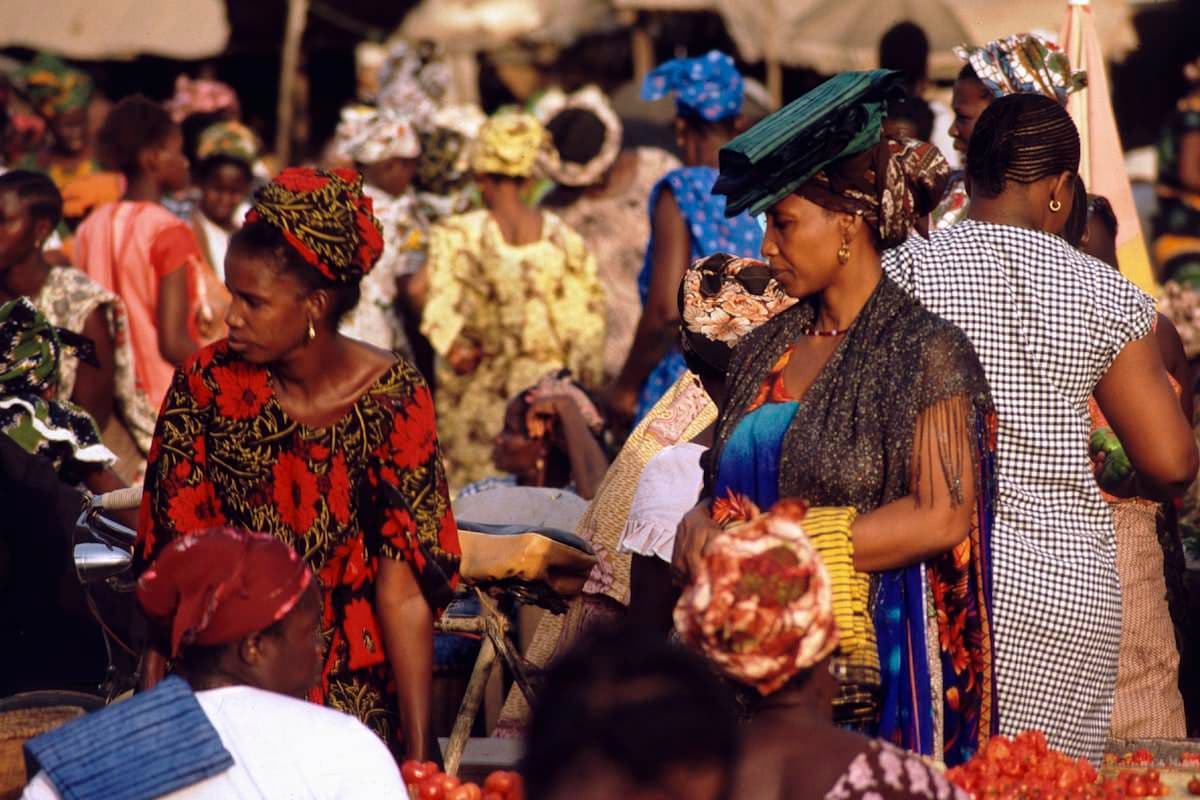
Best time to visit
November to May (dry season)
Region
Dakar Region
Main airport
Dakar (DSS)
Beyond the City
Day Trips from Dakar
UNESCO World HeritageHistory
Goree Island
Lying just off the coast of Dakar, Goree Island was the largest slave-trading centre on the African coast from the fifteenth to the nineteenth century and was among the first sites on the continent to receive UNESCO World Heritage status. Its streets of pastel townhouses and the ochre-red House of Slaves (Maison des Esclaves), built around 1776, draw visitors from across the world as a place of memory, reflection, and reconciliation. The car-free island is reached by a short ferry crossing from Dakar and offers a contemplative contrast to the pace of the capital.
Nature
Lac Rose (Retba)
Located north of Dakar on the Cap-Vert peninsula, Lac Rose takes its name from the striking pink hue of its waters, which is caused by the microorganism Dunaliella salina responding to the lake's exceptional salt concentration. The lake has been harvested for salt by local fishermen for generations, and visitors can watch workers wade into the shallows to collect salt by hand, their skin protected by shea butter. The surrounding dune landscape and the contrast between the rose-coloured lake and the Atlantic coastline just beyond make it one of the most visually distinctive natural sites in Senegal.
Wise
Your bank marks up every USD you spend in Senegal. Wise doesn't.
- No foreign transaction fees
- Free ATM withdrawals up to your limit
- Pay in local currency at the real rate
4.8 ★ App Store·4.8 ★ Google Play
Airalo eSIM
Your phone plan was built for home. This one was built for Senegal.
- No SIM swapping
- No data roaming charges
- Active in minutes
4.7 ★ App Store·4.6 ★ Google Play
Plan Your Trip
Getting Around Dakar
Tours, stays, transfers, and flights — curated partner options are on the way.
Tours & Activities
Skip-the-line tickets, guided tours, and day experiences — curated partner options are on the way.
Coming soonWhere to Stay
Hotels, apartments, and guesthouses across every neighbourhood — booking options are on the way.
Coming soonAirport Transfers
Private and shared rides between the airport and the city centre — partner options are on the way.
Coming soonFlights
Compare fares from hundreds of airlines to find the best route in — search options are on the way.
Coming soonTravel Guide
Frequently Asked Questions About Visiting Senegal
Entry requirements vary by passport. Check the requirements for your specific passport on the Senegal page at Yoogo.
Senegal uses the West African CFA franc (XOF), a stable currency pegged to the euro. Cash is essential outside of upmarket hotels and restaurants in Dakar, as card acceptance is limited across most of the country, including smaller towns and markets.
Senegal has long been regarded as one of West Africa's more stable and welcoming destinations, with a strong tradition of hospitality known locally as teranga. Petty theft can occur in busy urban areas such as Dakar's markets and bus stations, so standard precautions around valuables are sensible.
Intercity travel relies heavily on sept-places, shared seven-seater Peugeot station wagons that depart once full from designated garages in each town, and on minibus services connecting larger cities. Within Dakar, yellow taxis and app-based ride services are widely available, though negotiating the fare in advance is the norm for traditional taxis.
The dry season from November to April is generally considered the best time to visit, with warm temperatures on the coast, sunny skies, and little rainfall. December through February is particularly pleasant, with daytime temperatures around 25 to 28 degrees Celsius and cool Atlantic breezes keeping the coastal areas comfortable.
French is the official language and is used in government, education, and formal settings, while Wolof functions as the most widely spoken everyday language across the country. English is not commonly spoken outside of larger hotels and tourist-facing businesses, so a few words of French or basic Wolof phrases will be greatly appreciated.
A yellow fever vaccination certificate is required for travellers arriving from countries with risk of yellow fever transmission, and vaccination is recommended for most visitors regardless. Hepatitis A, typhoid, and malaria prophylaxis are also commonly recommended; consult a travel health clinic or your doctor well ahead of departure for personalised advice.
Tipping is not a deeply ingrained custom in Senegal but is appreciated as a gesture of thanks for good service. In restaurants, rounding up the bill or leaving around 10 per cent is considered generous; for hotel staff, a small tip of 500 to 1,000 XOF per service is customary.
Senegal has solid 4G coverage in Dakar, Saint-Louis, and other major towns through operators including Orange, Tigo, and Expresso. Travellers with compatible devices can purchase an eSIM from providers such as Airalo before departure for instant connectivity on arrival, while local physical SIM cards are readily available at operator stores with passport registration required.